How to Tell Wedding Guests What to Wear: A Simple Guide to Communicating Your Dress Code
How to Tell Wedding Guests What to Wear: A Simple Guide to Communicating Your Dress Code.
One of the funny things about planning a wedding is that you can have a very clear picture of your dream day in your head while your guests have absolutely no idea what you are expecting from them.
You may already know you want an elegant outdoor wedding with guests in beautiful, polished outfits. Maybe you are planning a relaxed celebration on a farm, a breathtaking mountain wedding, or an early-morning ceremony with a completely different atmosphere from a traditional evening wedding.
But your guests cannot see the vision in your head.
They may receive the invitation and immediately start asking questions like, “What exactly should I wear?” or “Is this a formal wedding?” or “Can I wear heels?”
And honestly, this is why telling wedding guests what to wear is important.
You do not need to control every outfit or tell people exactly what dress, suit, or shoe to buy. However, giving your guests a clear wedding dress code helps them feel prepared and prevents those awkward situations where one person arrives extremely overdressed while another shows up looking far too casual.
So, how do you tell wedding guests what to wear without sounding demanding?
Here is how to communicate your wedding dress code clearly and make getting dressed for your wedding easier for everyone.
How to Tell Wedding Guests What to Wear: A Simple Guide to Communicating Your Dress Code
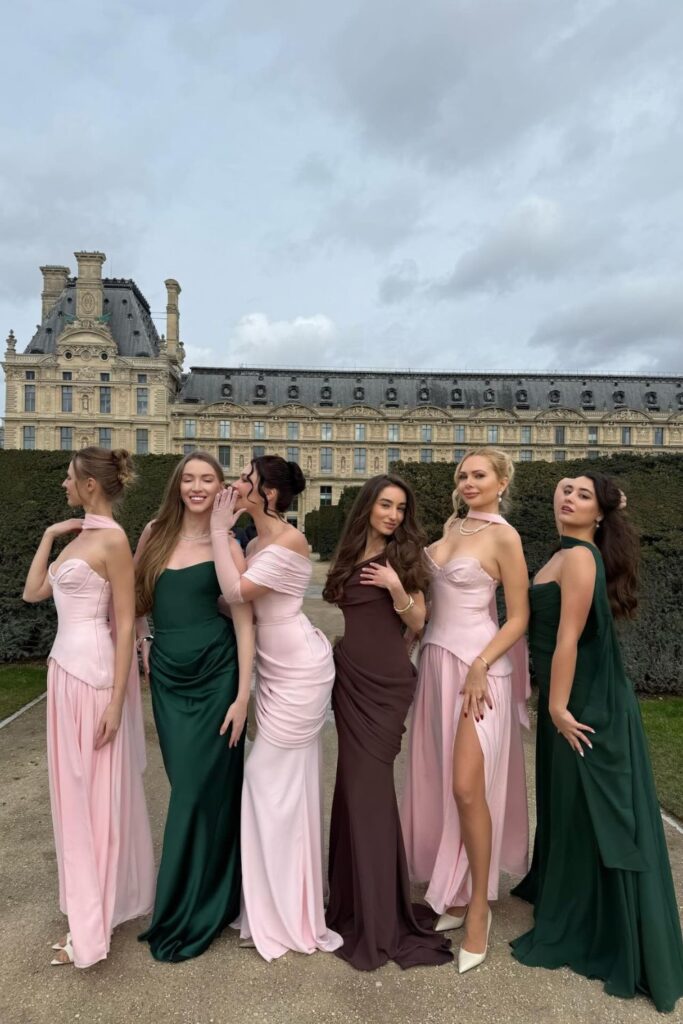
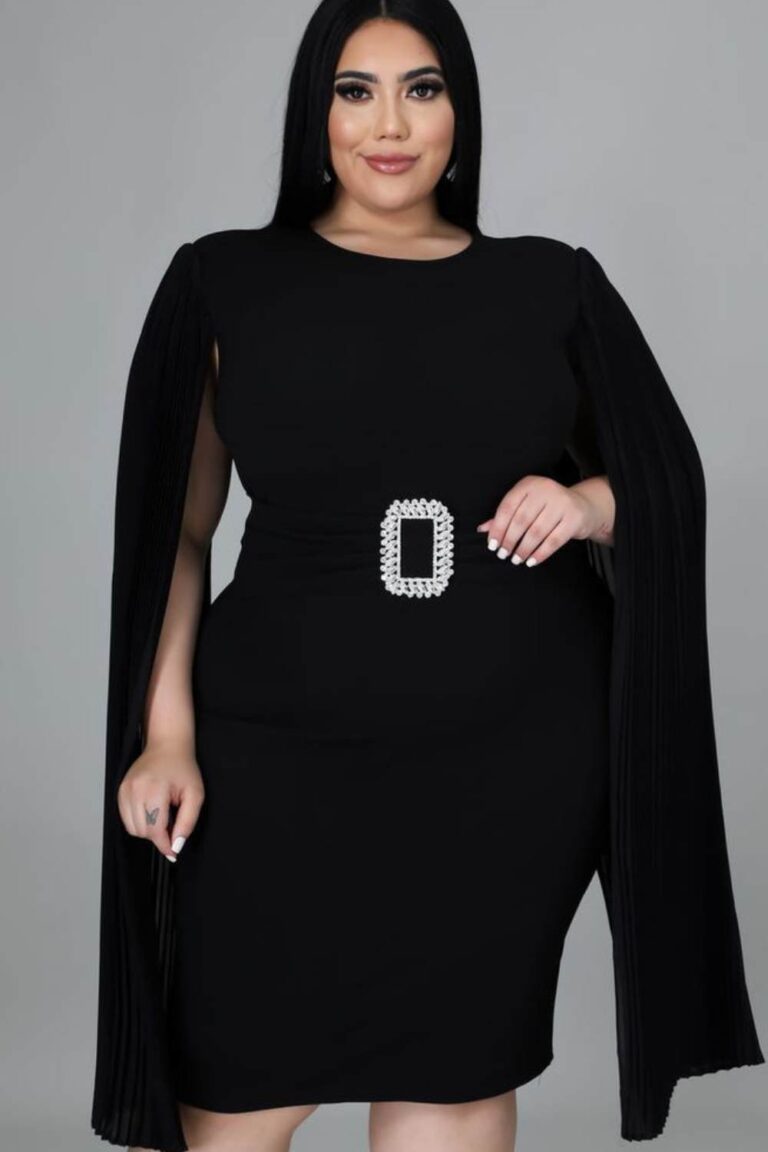
Photo credit: @ Babyboofashion
1. Start by Thinking About Your Wedding Style
Before you tell your wedding guests what to wear, you first need to decide what kind of atmosphere you are creating.
This is where many couples get stuck.
You might say you want your wedding to look “beautiful and elegant,” but that description can mean different things to different people. One guest may interpret elegant as a floor-length evening gown, while another may wear a nice midi dress.
Your wedding style should help guide the dress code.
Think about your:
- Wedding venue
- Ceremony time
- Season
- Weather
- Level of formality
- Wedding theme
- Type of celebration you are having
For example, the dress code for a formal ballroom wedding will probably be different from what guests would wear to a relaxed countryside celebration.
If you are having an outdoor countryside celebration, you may need to give guests more practical guidance. Someone attending a rural ceremony could find What to Wear to a Farm Wedding Without Feeling Embarrassed helpful because the location can affect everything from footwear to the type of fabric that feels comfortable.
The same thing applies when planning a destination or outdoor ceremony in a unique location. A mountain wedding may require guests to think about layers, weather changes, and practical shoes. That is one reason couples planning this type of celebration should think carefully about guest comfort while learning How to Plan a Mountain Wedding on a Budget.
Once you understand your wedding style, it becomes much easier to explain what you expect your guests to wear.
2. Choose a Clear Wedding Dress Code
The easiest way to tell wedding guests what to wear is to choose a dress code that clearly matches your celebration.
You do not have to make it complicated.
Common wedding dress codes include:
- Casual
- Dressy casual
- Semi-formal
- Cocktail attire
- Formal
- Black tie
However, there is one small problem.
Not everyone understands these terms in the same way.
If you simply write “semi-formal” on your invitation, some guests may understand immediately while others may spend the next few days searching online for outfit ideas.
That is why it can be helpful to add a short explanation.
For example:
Dress Code: Semi-Formal
Think elegant dresses, jumpsuits, suits, dress shirts, and smart trousers.
Or:
Dress Code: Formal Attire
We would love our guests to dress up for an elegant evening celebration.
This gives people direction without making them feel as though they are being given a uniform.
3. Put the Dress Code Directly on the Invitation
If knowing what guests wear matters to you, do not wait until the wedding is close before telling them.
Put the dress code on the wedding invitation.
This is one of the simplest ways to communicate what you expect.
You can place it near the bottom of the invitation or include a separate details card.
For example:
Dress Code: Cocktail Attire
Dress Code: Formal Attire
Dress Code: Garden Party Chic
Dress Code: Elegant Traditional Attire
Keep it simple and easy to spot.
Your guests should not have to search through several messages or ask multiple people before finding out what they are expected to wear.
If your wedding is very early in the morning, you may also need to explain this more clearly.
An unusual ceremony time can leave guests wondering how formal they should look. Someone attending an extremely early ceremony may appreciate guidance similar to What to Wear to a 4AM Wedding as a Guest, especially when the celebration involves cool temperatures, darkness, or a long day ahead.
4. Explain What the Dress Code Means
This is probably the most important part of telling wedding guests what to wear.
Do not assume everyone understands the dress code terminology.
Instead, give your guests a few simple examples.
If your dress code is cocktail attire, you could explain that women can wear elegant midi dresses, jumpsuits, or cocktail dresses, while men can wear suits or dressy separates.
If your wedding is casual, you could let guests know that relaxed but polished outfits are welcome.
If your celebration is formal, explain that you would love guests to wear their more elegant outfits.
The goal is not to dictate every detail.
You are simply answering the question your guests are probably already asking:
“What kind of outfit will look appropriate at this wedding?”
A short explanation can save you from answering the same question twenty times in your WhatsApp messages.
5. Tell Guests What the Venue Is Like
Sometimes, the venue matters just as much as the dress code.
Imagine telling your guests to wear cocktail attire without mentioning that the ceremony will take place in an open field.
Someone may arrive in beautiful thin heels and spend the entire day sinking into the grass.
That is not exactly the experience you want for your guests.
When communicating your dress code, include practical information about the venue.
You could say:
Our ceremony will take place outdoors, so comfortable footwear is recommended.
Or:
Please bring a light jacket as the evening celebration may become chilly.
Or:
Our wedding will take place on a farm, so we recommend shoes that are comfortable for walking on natural ground.
These details are particularly important for outdoor weddings.
For example, guests attending a farm wedding need to balance style with practicality.
This is where What to Wear to a Farm Wedding Without Feeling Embarrassed can naturally help them choose an outfit that looks beautiful while still making sense for the location.
6. Consider the Time of Your Wedding
Wedding timing can influence what guests wear more than many couples realize.
A morning wedding usually creates a different atmosphere from a glamorous nighttime reception.
An early ceremony may require layers, especially if guests will be outside before sunrise.
A daytime wedding may call for lighter fabrics, while an evening wedding can feel more formal.
If you are hosting your ceremony at an unusual time, give your guests more information.
For example:
Our ceremony begins at 4 AM and will take place outdoors, so we recommend bringing a light jacket or wrap.
That small detail can make a big difference.
A guest who has never attended such an early celebration may have no idea what is appropriate, which is why styling guidance like What to Wear to a 4AM Wedding as a Guest can be particularly useful.
The more unusual your wedding schedule is, the more helpful your dress code information should be.
7. Share Your Wedding Colors Without Making Them Feel Mandatory
Some couples want their guests’ outfits to complement the wedding color palette.
There is nothing wrong with this, but the way you communicate it matters.
Instead of saying:
Everyone must wear green.
You could say:
If you would like to complement our wedding colors, we would love to see soft greens, warm neutrals, and earthy tones.
This gives guests a choice.
They can participate in your wedding color theme without feeling pressured to buy an entirely new outfit.
You can also include a small color palette on your wedding website or details card.
Just remember that your wedding guests are not part of the bridal party. Unless you are having a specific themed event, flexibility will usually make your guests feel more comfortable.
8. Use Your Wedding Website for Extra Details
Your invitation does not need to contain every single piece of information about what guests should wear.
That is where a wedding website can be helpful.
You can create a short section called What to Wear or Dress Code and include more details about:
- The level of formality
- The venue
- Whether the ceremony is indoors or outdoors
- Weather expectations
- Appropriate footwear
- Suggested colors
- Cultural or traditional attire
For example:
Our wedding will be a semi-formal outdoor celebration. We encourage elegant and comfortable outfits. Since the ceremony will take place on grass, block heels, wedges, flats, or other comfortable footwear may be easier to wear.
That sounds helpful rather than bossy.
It also gives guests enough information to make their own decisions.
9. Do Not Make Your Dress Code Too Complicated
There is a difference between giving guests helpful guidance and overwhelming them.
You may have seen wedding invitations with very detailed instructions about colors, fabrics, shoes, accessories, and outfits.
Unless your wedding has a specific theme, this can become stressful for guests.
Try to keep your instructions focused on the most important things.
Your guests usually need to know:
- How formal the wedding is.
- What the venue is like.
- Whether the weather or location requires practical clothing.
- Whether there are any important color or cultural guidelines.
That is usually enough.
You do not need to tell guests exactly which style of dress to wear or which accessories to choose.
10. Think About the Whole Wedding Look
While your guests are deciding what to wear, you are probably also thinking about how everything will look together.
Your wedding dress, the bridal party outfits, the venue, flowers, and makeup can all contribute to the overall atmosphere.
This does not mean everything needs to match perfectly.
It simply means your choices can work together.
For example, a bride planning a soft and romantic celebration may choose light and fresh makeup for her bridal party. 20 Must-Try Light Bridesmaid Makeup can provide inspiration for bridesmaids who want a polished look that still feels soft and natural.
The maid of honor may also want a makeup look that feels special while complementing the wedding style. 15 Top Best Maid of Honor Makeup Looks You Will Love can offer ideas for everything from soft glam to more elegant and defined makeup.
As the bride, your own makeup can also reflect the atmosphere of your celebration.
Brides looking for complexion-specific inspiration can explore 20 Stunning Bridal Makeup Looks for Fair Skin Brides or The Best Bridal Makeup for Dusky Skin, depending on the type of look and finish they want for their wedding day.
These beauty details may not be part of your guest dress code, but they all contribute to the overall wedding vision you are creating.
11. Send a Gentle Reminder Before the Wedding
Even after putting the dress code on your invitation, some guests may forget.
Others may have missed the information completely.
A gentle reminder before the wedding can be useful, especially if you have a WhatsApp group or another way of communicating with your guests.
You could write:
We are getting so excited to celebrate with everyone. Just a quick reminder that our wedding dress code is semi-formal. We cannot wait to see you all there.
If the venue has practical requirements, add them too.
For example:
Since our ceremony will take place outdoors, please remember to choose footwear that will be comfortable on grass.
There is no need to make the reminder sound strict.
Keep it warm and simple.
What Not to Do When Telling Guests What to Wear
When communicating your wedding dress code, try to avoid making guests feel nervous about getting dressed.
Here are a few things that can make the process more stressful than necessary.
1. Do not use confusing wording
If your guests will not understand the dress code, explain it.
Terms like “mountain chic,” “elevated rustic elegance,” or “modern countryside glamour” may sound beautiful, but they can leave guests wondering what they should actually wear.
If you use a creative dress code name, always provide examples.
2. Do not give too many restrictions
A long list of forbidden colors and outfit rules can make guests feel uncomfortable.
Instead of focusing entirely on what people cannot wear, give them a clear idea of what is encouraged.
3. Do not ignore the venue
Always think about whether your dress code works for the location.
A guest can wear the most beautiful outfit in the world and still feel miserable if it is unsuitable for the environment.
4. Do not assume everyone already knows
Your guests may have different experiences with weddings.
Some may attend formal events regularly, while others may have no idea what cocktail attire means.
A little explanation is always better than leaving people confused.
Final Thoughts On How to Tell Wedding Guests What to Wear
Learning how to tell wedding guests what to wear is really about communication.
Your guests want to look appropriate and feel comfortable at your wedding. T
hey simply need enough information to understand the kind of celebration you are planning.
Start with a clear dress code, explain it in simple language, and tell guests anything important about the venue, weather, timing, or location.
You do not need to control every outfit.
You just need to give your guests enough guidance to confidently choose something that fits your wedding.
And once everyone knows what to expect, you can stop answering “What should I wear?” messages and get back to the more exciting parts of planning your big day.
This post showed you How to Tell Wedding Guests What to Wear.