20 Most Forgotten Wedding Details Every Bride Needs to Know
This post will show you 20 most Forgotten Wedding Details Every Bride Needs to Know.
Let me paint a picture for you.
You have spent months planning the most important day of your life, picked the dress. You feel ready.
Then the wedding day arrives, and somewhere between the vows and the reception, something slips through the cracks. Maybe it is small. Maybe it is not. Either way, it was entirely preventable.
This is the reality for so many brides. Wedding planning is one of the most exciting seasons of life, but it is also one of the most overwhelming. There are so many moving parts, so many vendors to manage, so many people to keep happy, and in the middle of all that chaos, even the most organized bride can forget something important.
That is exactly why this post exists.
So my dear, Even if you are a bride-to-be counting down the months, a maid of honor trying to support your person, or a friend whose loved one is about to walk down the aisle, this is your reminder to slow down and pay attention to the details that often get overlooked.
I put this list together from my personal experience as a wedding guest, a wedding coordinator, and from the countless stories shared by real brides. Every single point on this list has caught someone off guard before. Let it not be you.
So, I will be listing out these 20 commonly forgotten wedding details every bride needs to know.
The Real Pain Points of Wedding Planning Nobody Talks About

Before we get into the list, let us be honest about something. The reason brides forget these things is not because they are careless. It is because wedding planning is genuinely overwhelming, and the pressure to get everything right can actually make it harder to think clearly.
Here are the real reasons important details slip through the cracks:
1. There is too much to think about at once
Between the venue, catering, outfits, guest list, decor, music, and photography, brides are managing what is essentially a large-scale event with zero formal training. It is a lot.
2. Most wedding checklists only cover the obviou
You will find a hundred articles telling you to book a photographer or pick a color scheme. Very few talk about passport validity, vendor parking, or who is packing the wedding dress at the end of the night.
3. Emotions run high
When you are emotionally invested in something, it is hard to stay logical and systematic. Things that feel small in the planning phase become big problems on the actual day.
4. Vendors do not always volunteer information
Unless you ask the right questions, vendors will do exactly what was agreed, nothing more, nothing less. The gaps are your responsibility to fill.
Now that we understand the why, let us get into the what. Here are the 20 details you cannot afford to overlook.
20 Most Forgotten Wedding Details Every Bride Needs to Know
Budget and Logistics -The Foundation You Cannot Ignore
1. Buffer in Your Budget
Let us start with a definition, because this one matters more than most brides realize.
A budget buffer is an intentional, set-aside amount of money that is kept separate from your main wedding budget, reserved specifically for unexpected costs, last-minute changes, price increases, or anything that was not originally planned for.
Think of it as your financial safety net.
Here is the pain point:
Most brides build a budget and then spend right up to the edge of it. They account for every known cost, the venue deposit, the caterer, the dress, the flowers, and they feel confident.
Then reality hits.
The florist charges more than the quote because flower prices went up. A guest cancels late and the caterer charges a penalty. The bridesmaid needs her dress altered at the last minute. The wedding car breaks down and a replacement needs to be hired urgently.
None of these things are unusual. They happen at almost every wedding. The difference between a bride who handles them calmly and one who breaks down in tears on her wedding morning is a budget buffer.
The general rule is to set aside 10 to 15 percent of your total budget as a buffer. If your wedding budget is two million naira, your buffer should be between two hundred thousand and three hundred thousand naira, completely untouched unless something unexpected comes up.
Do not see this as money wasted if you do not spend it. See it as the best wedding insurance you ever bought.
2. Planning for Extra Guests

Photo credit @sparklingmoments.events
Here is something nobody tells brides until it is too late: your guest list will almost never stay exactly as planned. Someone brings an unexpected plus-one. A family member decides to attend after declining. An old friend shows up because someone passed along the details.
Always plan your catering, seating, and décor for at least ten to fifteen guests more than your confirmed count. The cost of accommodating a few extra people is far smaller than the embarrassment of running out of food or seats.
I recommend this: Things Nobody Tells You About Planning a Wedding
3. Transportation for the Full Wedding Party
You have probably thought about how you will arrive at the venue. But what about everyone else?
Transportation is one of the most commonly forgotten logistical details of any wedding. Who is taking the bridesmaids? How is the groom getting there? What about elderly family members who cannot drive? What about vendors who need to arrive at specific times?
Map out the full transportation plan early. Book vehicles not just for the bride, but for the bridal party, the groom’s party, key family members, and any out-of-town guests who need assistance. Confirm pickup times and locations at least a week before the event.
4. Parking Details for Vendors
This one costs brides money, real, avoidable money, every single time it is forgotten.
Before your wedding day, find out the exact parking situation at your venue. How many spaces are available? Is there a fee? Is street parking nearby? Are there restrictions on large vehicles?
Once you have that information, communicate it clearly to every vendor. Your photographer, videographer, florist, caterer, hair and makeup team, they all need to know where to park. If they arrive and face a difficult parking situation, many vendors will charge you for the extra time and inconvenience. And they are within their right to do so.
This is a simple detail that takes five minutes to sort out and can save you a significant amount of money.
Wedding Day Coordination-The Details That Make Everything Run Smoothly

Photo credit: vivi_weddingplanning
5. Hiring or Appointing a Wedding Coordinator
Let us be very direct here: if there is one thing you do not cut corners on, it is coordination.
A wedding coordinator is not just someone who tells people where to stand. They are the person who makes sure everything runs on schedule, handles problems before you even know they exist, manages vendors, keeps the bridal party organized, and ensures that you, the bride, can actually enjoy your day instead of running around managing crises.
If a professional coordinator is outside your budget, that is okay. But you must designate a capable, reliable, organized person to take on this role. Not someone who will be emotional on the day. Not someone who will be distracted by their own enjoyment. Someone who is genuinely able to hold the day together.
Whoever you choose, professional or otherwise, brief them thoroughly.
They need to know the full schedule, every vendor’s contact, every detail of the plan, and exactly what to do if something goes wrong.
Book your coordinator, or have your designated person confirmed, well in advance. Do not leave this to the last minute.
6. Making Sure You Actually Eat
This is the detail that sounds the least serious and is somehow one of the most important.
Brides routinely go through their entire wedding day without eating a proper meal. Between hair and makeup in the morning, the ceremony, photographs, greeting guests, and managing the reception, food simply does not happen. And by the evening, when the excitement wears off, many brides find themselves exhausted, lightheaded, and overwhelmed.
Make a specific plan for food. Assign someone, your maid of honor, your coordinator, your mother, to make sure you, your groom, your bridesmaids, and your groomsmen all eat before the ceremony and again during the reception. It seems simple, but it needs to be deliberately planned. Otherwise it will not happen.
7. Food Allergies and Dietary Requirements
When collecting RSVPs, always include a question about food allergies and dietary preferences. Gluten intolerance, nut allergies, vegetarian requirements, religious dietary restrictions, these are all real and all important.
Pass every dietary requirement to your caterer as early as possible.
Do not leave this for the week of the wedding. Caterers need time to plan alternative meals, and on the day itself, there should be clear labelling or a system in place so that guests with restrictions receive the right food.
A guest having an allergic reaction at your wedding is not just a medical emergency, it is a heartbreaking moment that could have been entirely prevented.
20 Commonly Forgotten Wedding Details Every Bride Needs to Know
The Small Details With the Biggest Impact
8. Your DJ Playlist

Photo credit: @secondsong_official
If there is a song that is meaningful to you and your partner, the song that was playing when you first danced together, a song that reminds you of your relationship, or a track that simply must be played at your reception , do not assume your DJ will figure it out.
Write your must-play songs down and submit them to your DJ in advance. Similarly, if there are songs you absolutely do not want played, communicate that too. Your DJ is a professional and should be trusted to manage the rest of the playlist, you do not need to micromanage every song, but your personal must-haves need to be clearly communicated.
9. Who Is Packing Your Wedding Dress After the Event
If you plan to change outfits during the reception, which many brides do, you need to specifically assign someone to collect and pack your wedding dress, veil, jewelry, shoes, and all other bridal accessories before the end of the night.
Weddings are fast and chaotic, and in the excitement of the evening, items get left behind. Wedding dresses have been forgotten at venues. Jewelry has been lost. Sentimental accessories have gone missing.
Do not leave this to chance. Give one person a specific checklist of every item to collect, and make sure they know it is their responsibility.
10. Assigning Someone to Collect Your Gifts
Your wedding gifts, whether envelopes, wrapped presents, or gift bags, need to be accounted for and secured during the reception.
This is a task that should be assigned before the event, not improvised on the day.
Your maid of honor, a trusted family member, or your wedding coordinator should know that this is their responsibility.
Give them a designated space for gifts and make sure they are collected and stored safely before the end of the night.
11. Keeping All Wedding Items in One Place
Signs, ring boxes, wedding favors, personalized decor, ceremony items, weddings involve an enormous amount of stuff. And when setup begins on the day, everything moves fast and things get scattered.
Before the wedding, gather every single item into one clearly labelled box or designated area. Your coordinator should know exactly where this box is and what is in it. Without this system, you will misplace things, and on a wedding day, searching for a missing item is the last thing you need. Keep everything together, keep it labelled, and hand it off to your coordinator.
12. Wedding Slippers or Comfortable Shoes
You cannot be in heels all day. Let us just say that plainly.
By the time the reception is in full swing and you have been on your feet for six or more hours, your feet will be screaming.
Pack a beautiful, comfortable pair of flat sandals or slippers to change into once the ceremony is over. Your smile in the evening photos will look very different with happy feet versus aching ones.
This is a small detail that makes a significant difference to how you feel on your wedding day.
13. A Photo List for Your Photographer

Think carefully about every person you want a photograph with on your wedding day. Your grandmother. Your childhood friend who flew in from abroad. Write this list down and give it to your photographer and videographer before the event.
Do not rely on memory in the middle of a busy wedding day. Without a list, important photos get missed, and those are moments you cannot recreate.
I recommend this: How to Choose Your Wedding Theme as a Bride
Dress, Beauty, and Personal Preparation
14. Leaving Enough Time for Dress Alterations
This is one of the most consistently repeated mistakes that brides make, and the consequences can range from mildly stressful to genuinely devastating.
Wedding dress alterations take time. More time than you think. Between the first fitting, the adjustments, the second fitting, the final adjustments, and the collection, you are often looking at a process that spans several weeks or even months.
Brides who delay on this find themselves in a panic in the final weeks before the wedding. Some have had to wear dresses that were not properly altered. Some have had to rent a completely different dress at the last minute. Others have had to pay extreme rush fees to a seamstress who squeezed them in.
Start your dress alteration process at least three to four months before your wedding date. If your dress is being custom made, give even more time. Do not assume it will be quick. It rarely is.
15. A Wedding Emergency Kit
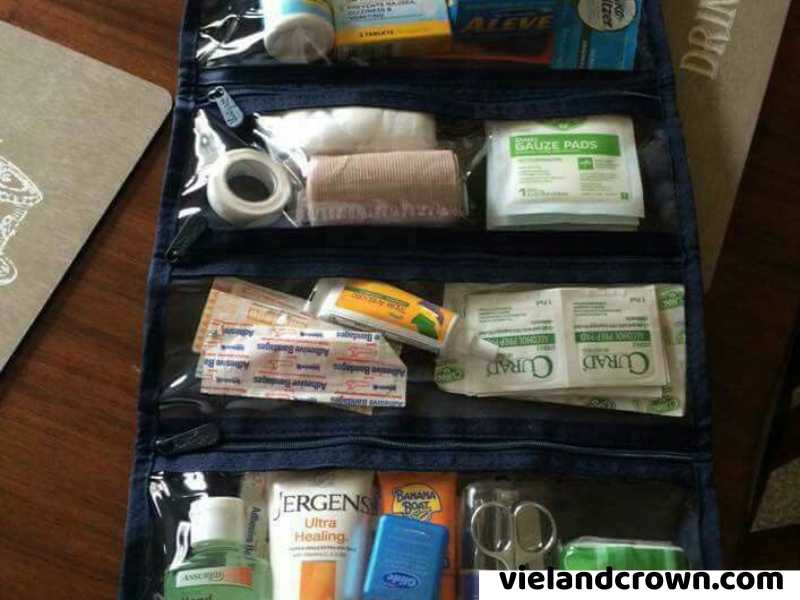
Your wedding emergency kit is your best friend on the wedding day, and it is almost always forgotten until someone needs it and it is not there.
Pack a small bag with the following: stain remover pen, safety pins in multiple sizes, needle and thread in white and your dress color, pain relievers, blister plasters, double-sided fashion tape, bobby pins and hair ties, blotting papers, touch-up makeup, deodorant, breath mints, a small healthy snack, phone charger, and any personal medication you take regularly.
Give this kit to your maid of honor and make sure she keeps it close all day. You will almost certainly need at least one thing from it.
20 Commonly Forgotten Wedding Details Every Bride Needs to Know
Backup Plans and Final Checks
16. A Backup Weather Plan for Outdoor Weddings
If any part of your wedding is taking place outdoors, a backup weather plan is not optional. It is essential.
Speak with your venue from the very beginning about their contingency options in case of rain or extreme weather. Know exactly what the backup arrangement looks like and how quickly it can be activated.
As your wedding date approaches, monitor the weather forecast regularly. Communicate the backup plan to your wedding party, key family members, and all vendors so that if weather changes are needed on the day, everyone knows what to do without confusion.
17. Booking Accommodation Early
Late bookings cost more. This is simply the rule, whether you are booking a hotel room, an Airbnb, or a guest house.
If you have vendors who will be working late and need to stay overnight, book their accommodation as part of the wedding planning process. If your bridal party or out-of-town family need places to stay, sort this early. Block-booking rooms at a preferred hotel often comes with a group discount, but only if you plan ahead.
18. Booking Your Honeymoon on Time

Photo credit: @vivi_weddingplanning
With so much energy going into the wedding itself, honeymoon planning often gets continuously pushed back until it is almost too late. Flights fill up. Resorts book out. The best options disappear.
Start planning your honeymoon at least six months in advance. Decide on the destination, research the best places to stay, and book flights and accommodation as soon as the decision is made. Your wedding day deserves a beautiful ending, do not let that be an afterthought.
19. Flights and Accommodation for a Destination Wedding
If you are planning a destination wedding, your guests need substantial notice. Send save-the-dates at least six to nine months in advance and include clear, detailed information about travel options, recommended hotels, and local transportation.
The earlier your guests can book, the more affordable it will be for them, and the less likely you are to hear last-minute cancellations because flights are too expensive. Make it as easy as possible for the people you love to be there.
20. Check Your Passport- And Do It Now

This might be the most quietly devastating item on this entire list.
Brides and grooms have missed their own destination weddings and honeymoons because of expired passports. It happens more often than you would imagine. In the chaos of planning, passport validity simply does not come to mind, until it is too late.
Check your passport today. Check your partner’s passport too. Many countries require at least six months of validity beyond your travel date, so even a passport that has not technically expired may not be accepted.
If your passport needs to be renewed, start that process immediately. Passport renewal can take weeks, and there is no fast-tracking your way out of a missed wedding because of a bureaucratic delay.
20 Most Forgotten Wedding Details Every Bride Needs to Know
There you have it . 20 most forgotten wedding details that could make all the difference between a smooth, joyful wedding day and one filled with avoidable stress.
Wedding planning is a marathon, not a sprint. The couples who enjoy their wedding day the most are the ones who took care of the small things early, assigned responsibilities clearly, built in room for the unexpected, and then let go and trusted their team.
You deserve to actually enjoy the day you have been planning for. You deserve to eat your food, dance in comfortable shoes, take photographs with everyone you love, and end the night knowing that every gift, every dress, and every important item is accounted for.
Use this list. Share it with your bridal party. Come back to it as your date approaches. And most importantly, breathe. You have got this.
This post showed you 20 most Forgotten Wedding Details Every Bride Needs to Know.