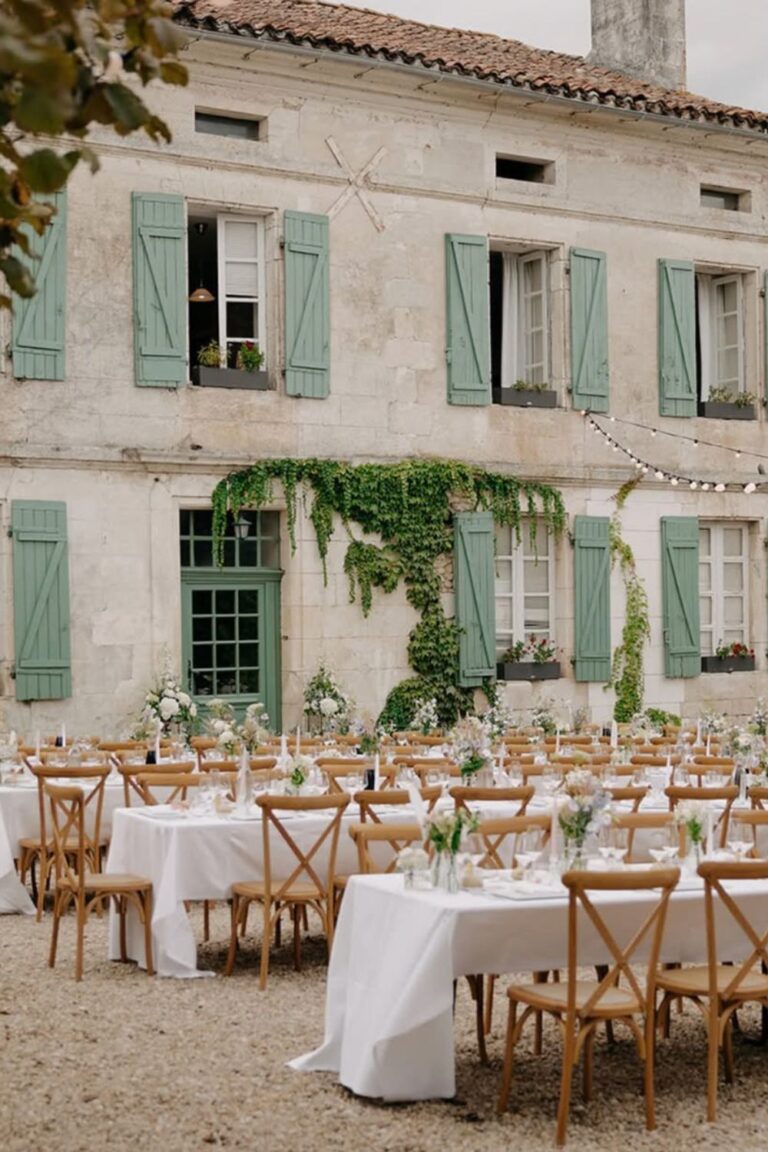
How to Decide on the Perfect Wedding Menu
This post contains affiliate links. If you make a purchase through these links, we may earn a small commission at no extra cost to you. Thank you for supporting Veil & Crown!
This post will show you How to Decide on the Perfect Wedding Menu.
Imagine spending months planning your wedding, choosing the perfect dress, selecting beautiful decorations, and finding a venue that matches your dream celebration. Everything seems to be coming together until you realise you still have one important decision to make: what will your guests eat? If you are feeling overwhelmed by the countless food options available, learning How to Decide on the Perfect Wedding Menu can help you create a delicious, memorable dining experience that suits your wedding style, budget, and guests’ preferences.
Your wedding menu is more than a list of dishes. It is part of the experience you create for the people who come to celebrate with you. From the appetisers served during the cocktail hour to the main course and desserts at the reception, your food choices can make your celebration feel welcoming, thoughtful, and enjoyable.
However, choosing the right menu is not always easy. You may have to consider different tastes, dietary requirements, cultural traditions, food presentation, and catering costs. You might also be wondering whether to serve a buffet, offer a plated dinner, or create interactive food stations.
The good news is that you do not need an extravagant menu to impress your guests. With careful planning, you can choose delicious dishes that reflect your personality, complement your wedding theme, and fit your budget.
In this guide, we will find how to decide on the perfect wedding menu, from setting your catering budget and choosing the right service style to selecting main courses, desserts, and drinks.
How to Decide on the Perfect Wedding Menu
Why Your Wedding Menu Matters
Food plays an important role in bringing people together. At a wedding, it gives guests an opportunity to relax, connect with one another, and enjoy the celebration.
Imagine attending a wedding where the food is delicious, the portions are satisfying, and there are options for different dietary needs. You would probably leave with a positive impression of the entire experience.
That is why your menu deserves as much thought as your decorations and entertainment.
A well-planned wedding menu should achieve three main goals:
- Satisfy your guests: Offer enough food and a suitable variety of dishes to accommodate different preferences.
- Reflect your personality: Include foods that represent your tastes, culture, or relationship.
- Stay within your budget: Choose dishes and service options that you can comfortably afford.
When these elements come together, you can create a memorable dining experience without unnecessary stress.
1. Set Your Wedding Catering Budget
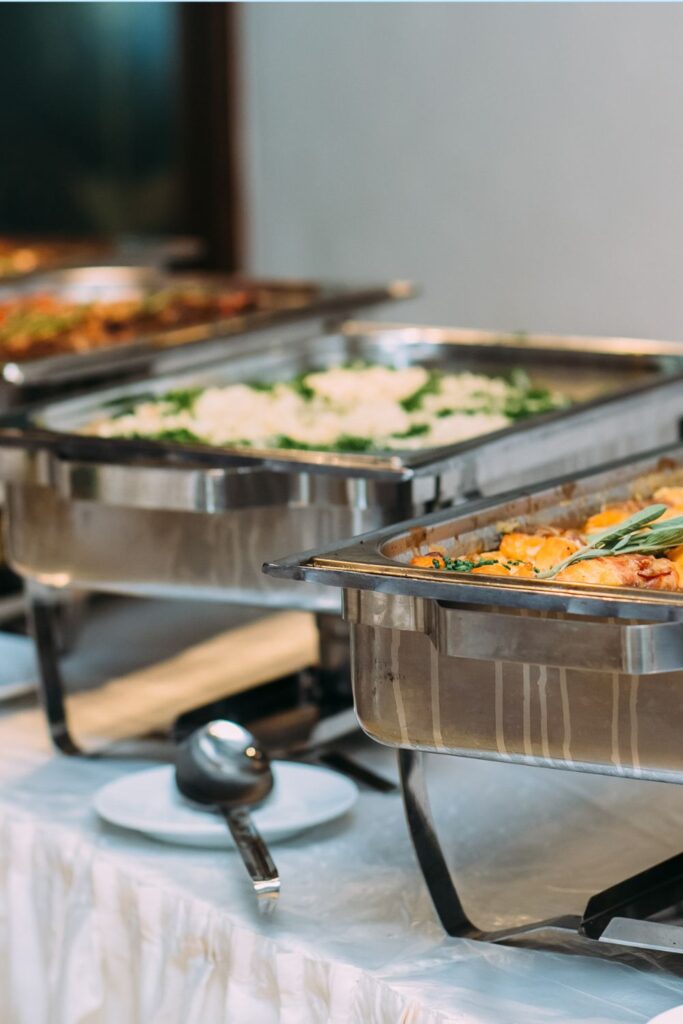
Before browsing menus or choosing your favourite dishes, determine how much you can spend on catering.
Your budget will influence the ingredients, number of courses, service style, and variety of food you can offer.
For example, a couple with a limited budget might choose a carefully planned buffet featuring a few satisfying dishes, while another couple might prefer a formal, multi-course dinner.
Neither option is automatically better. The important thing is to choose what works for your circumstances.
What Should Your Catering Budget Include?
When calculating your budget, consider more than the cost of the food itself.
Your catering expenses may include:
- Food preparation and ingredients.
- Catering staff and service charges.
- Plates, cutlery, glasses, and serving equipment.
- Transportation and delivery.
- Food stations, buffet tables, or additional setup.
- Special dietary meals.
- Taxes and other applicable charges.
Ask your caterer for an itemised quotation so you understand exactly what is included.
It is also wise to keep a small contingency fund for unexpected expenses or last-minute adjustments.
How to Decide on the Perfect Wedding Menu
Practical Tip
Determine your approximate catering budget before finalising your guest list and menu.
Since catering costs often depend on the number of guests, having a realistic headcount will help you compare quotations and avoid spending more than you planned.
2. Consider Your Wedding Style and Theme
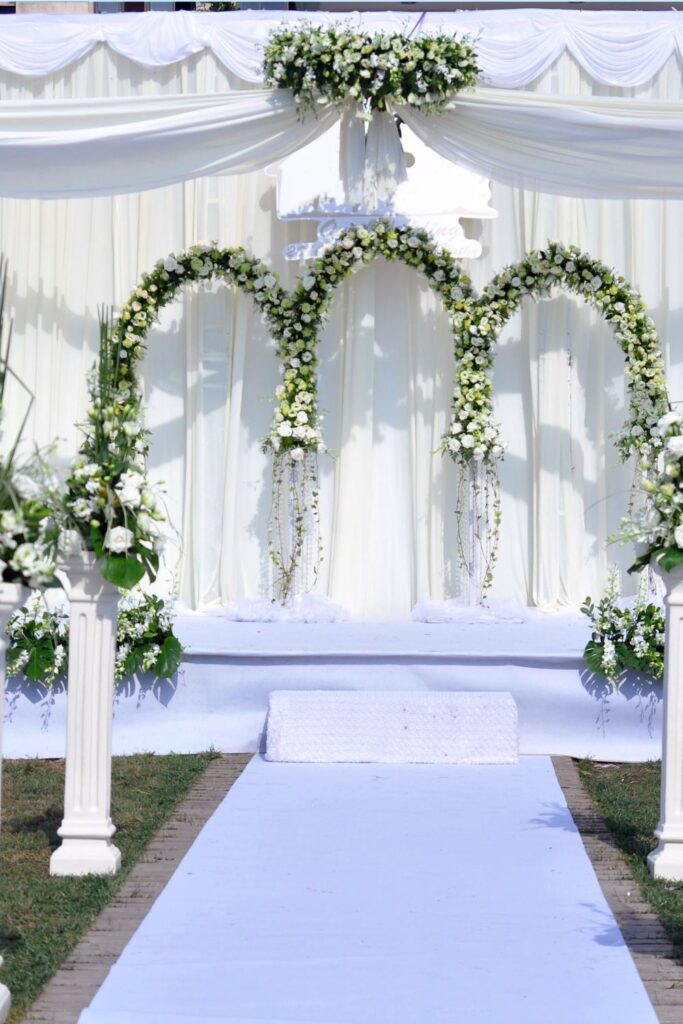
Your wedding menu should complement the atmosphere you want to create.
A formal ballroom wedding may call for elegant plated dishes, while a relaxed outdoor celebration might work better with a buffet or food stations.
Similarly, an intimate garden wedding may suit a lighter menu, whereas an evening reception might benefit from more substantial meals.
Match Your Food to Your Celebration
Consider the following examples:
For a formal wedding: Choose a structured meal with appetisers, a main course, side dishes, and dessert.
For a garden wedding: Consider grilled foods, fresh salads, seasonal ingredients, and attractive outdoor food displays.
For a traditional wedding: Include familiar cultural dishes that reflect your heritage and the preferences of your families.
For a casual wedding: Consider food stations, small plates, grazing tables, or a relaxed buffet.
For a romantic Valentine’s wedding: Incorporate heart-shaped treats, chocolate desserts, and other romantic touches.
If you are planning a Valentine’s-themed celebration, 15 CREATIVE VALENTINE FOOD IDEAS FOR WEDDING can provide inspiration for romantic appetisers, desserts, and creative food presentations.
Remember that your wedding theme should guide your menu rather than restrict your choices. You can incorporate traditional favourites and modern dishes while maintaining a consistent atmosphere.
3. Know Your Guests’ Food Preferences
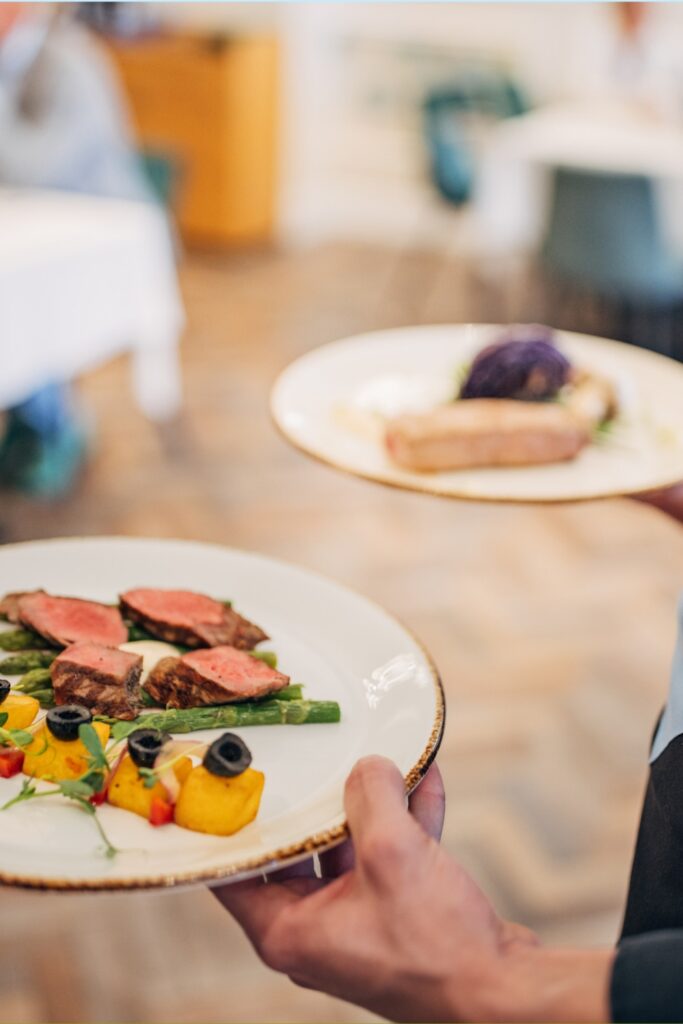
One of the most important steps in deciding on your wedding menu is considering the people who will be eating the food.
Your favourite dish might not appeal to everyone, and some guests may have dietary restrictions that require special attention.
You do not have to create a completely different menu for every guest. However, providing a reasonable variety of options can make your celebration more inclusive.
Consider Different Dietary Needs
When planning your menu, ask about relevant dietary requirements where appropriate.
These may include:
- Vegetarian meals.
- Vegan meals.
- Gluten-free options for guests who require them.
- Nut allergies and other food allergies.
- Religious dietary requirements.
- Food intolerances.
- Preferences relating to meat, seafood, or other ingredients.
Communicate these requirements to your caterer well before the wedding.
Make sure any special meals are clearly identified and handled safely to reduce the risk of cross-contact with allergens.
Think About Your Guest Demographics
Consider the preferences and expectations of your guests without making assumptions about what everyone will enjoy.
If you are inviting people from different cultural backgrounds, offering a combination of familiar and contemporary dishes may be a practical solution.
For example, you might serve traditional rice dishes alongside grilled chicken, vegetables, and a selection of desserts.
The goal is to create a menu that feels personal while giving your guests satisfying choices
3. Choose the Right Wedding Catering Style
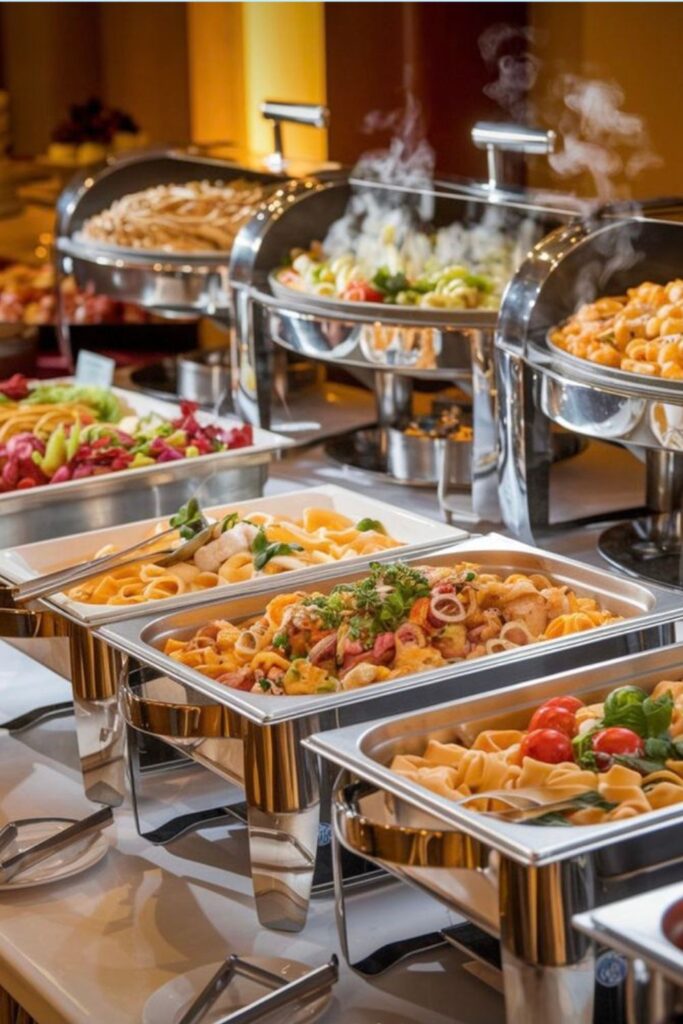
Even if you have selected delicious food, the way it is served can influence your guests’ experience.
There are several wedding catering styles to consider, and each has its own advantages.
Plated Dinner
A plated dinner involves serving each guest an individual meal at their table.
This style is often associated with formal weddings because it creates an organised dining experience.
Advantages:
- Offers a polished and structured presentation.
- Makes portion control easier.
- Allows couples to plan a predictable dining schedule.
Things to consider:
- It may cost more because of the staffing required.
- Guests may need to select their meal options in advance.
- Service timing must be coordinated carefully.
A plated dinner may be suitable if you want an elegant reception with a formal atmosphere.
Buffet-Style Catering
A buffet allows guests to select food from a shared serving area.
This style is popular because it offers variety and gives guests more control over what they eat.
Advantages:
- Guests can choose from several dishes.
- It can accommodate different food preferences.
- It creates a relaxed dining atmosphere.
Things to consider:
- Guests may have to queue.
- Food stations need adequate space.
- Food must be replenished and maintained at safe temperatures.
A buffet can work well for large weddings, traditional celebrations, and receptions where variety is important.
Family-Style Dining
Family-style dining involves placing shared dishes on tables so guests can serve themselves.
It creates a communal atmosphere and encourages conversation.
Advantages:
- Encourages interaction among guests.
- Can make the meal feel warm and informal.
- Allows guests to select portions according to their preferences.
Things to consider:
- Tables need sufficient space for serving dishes.
- Catering staff must plan suitable quantities.
- Some guests may require assistance serving themselves.
This option is particularly suitable for intimate weddings and celebrations where togetherness is a priority.
Food Stations
Food stations allow guests to visit different areas offering specific foods.
You might have a pasta station, a grilled-food station, a dessert station, or a local cuisine station.
Advantages:
- Creates an interactive dining experience.
- Allows you to offer different types of food.
- Can make the reception feel lively and engaging.
Things to consider:
- Multiple stations may require additional staff.
- Guests may need to move around the venue.
- Popular stations can develop queues.
Choose the catering style that best matches your guest count, venue, budget, and desired atmosphere.
5. Start With Appetisers That Set the Mood
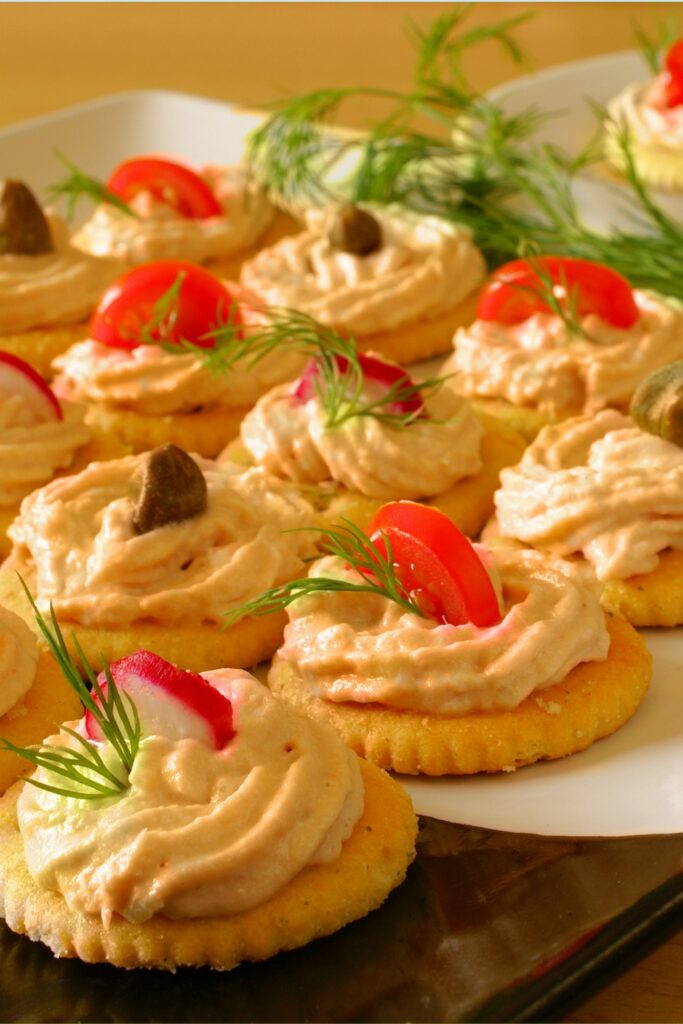
Appetisers are a great way to welcome your guests and prepare them for the main meal.
They can be served during the cocktail hour, before the reception meal, or as part of a larger buffet.
The best appetisers are easy to eat, appropriately portioned, and complementary to the rest of the menu.
Popular Wedding Appetiser Ideas
Consider options such as:
- Mini sandwiches.
- Spring rolls.
- Small savoury pastries.
- Grilled chicken bites.
- Stuffed mushrooms.
- Vegetable skewers.
- Mini meat pies.
- Small seafood portions, where suitable.
Choose a selection that offers variety without overwhelming your budget.
If you are planning a romantic celebration, you could also include heart-shaped appetisers or small treats that match your wedding colours.
For more ideas, go through 15 CREATIVE VALENTINE FOOD IDEAS FOR WEDDING for ways to incorporate romantic food presentation into your celebration.
How Many Appetisers Should You Serve?
The quantity depends on how long the cocktail hour lasts and whether guests will be served a full meal afterward.
Ask your caterer to recommend appropriate portions based on your event schedule and guest count.
If the main meal will be served shortly after the ceremony, you may not need as many appetisers as you would for a longer reception.
6. Select a Satisfying Main Course
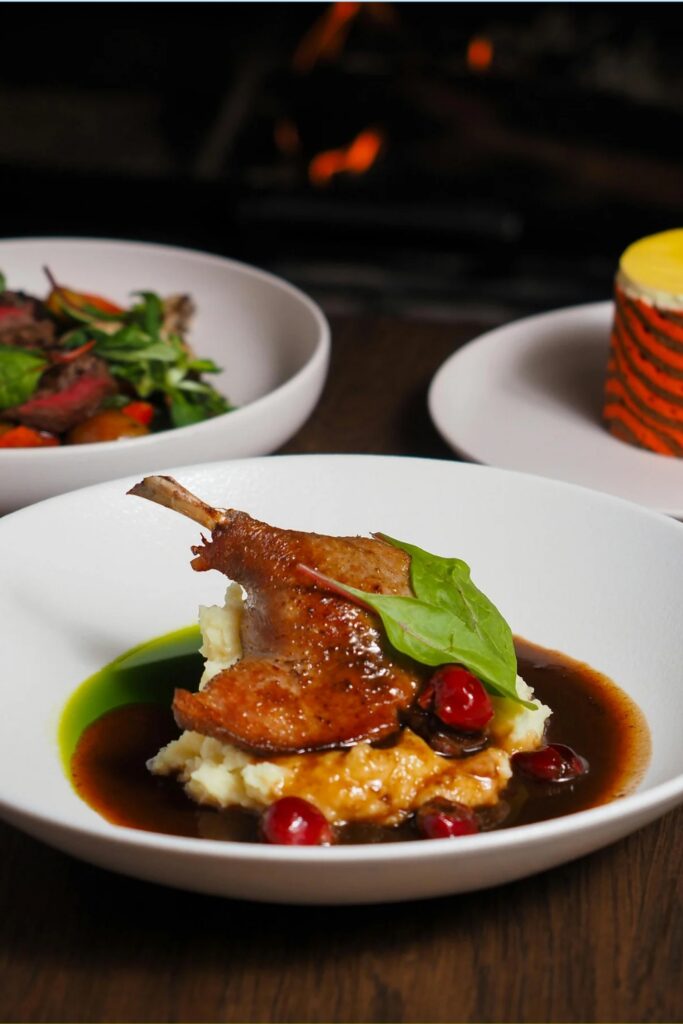
The main course is often the centrepiece of a wedding meal.
This is where you can offer dishes that satisfy your guests while reflecting your personal preferences and cultural background.
Depending on your wedding style, you might choose one main dish with complementary sides or provide several options.
Popular Main Course Ideas
Some possibilities include:
Chicken dishes: Roasted chicken, grilled chicken, or chicken prepared with a suitable sauce.
Beef dishes: Slow-cooked beef, grilled beef, or other preparations that suit your catering style.
Fish dishes: Baked, grilled, or appropriately prepared fish.
Vegetarian dishes: Vegetable pasta, stuffed peppers, lentil dishes, or other satisfying meat-free meals.
Traditional dishes: Rice dishes, stews, soups, and other regional favourites that reflect your culture.
The right choices depend on your guests, budget, venue, and caterer’s expertise.
Balance Flavour and Variety
If you are offering multiple main courses, make sure they complement each other.
For example, grilled chicken could be served with rice, vegetables, and a suitable sauce.
If you are planning a buffet, you might offer a combination of proteins, starches, and vegetables so guests can create a satisfying plate.
Avoid choosing too many dishes that serve the same purpose. A balanced menu is often more practical than an unnecessarily large selection.
Consider Portion Sizes
Your caterer can help determine appropriate portions based on the number of courses, the type of meal, and your guests’ needs.
If you are serving appetisers, a substantial main course, and dessert, the portion sizes may differ from those used for a single-course buffet.
Plan quantities carefully to minimise food shortages and unnecessary waste.
7. Choose Side Dishes That Complement the Main Course
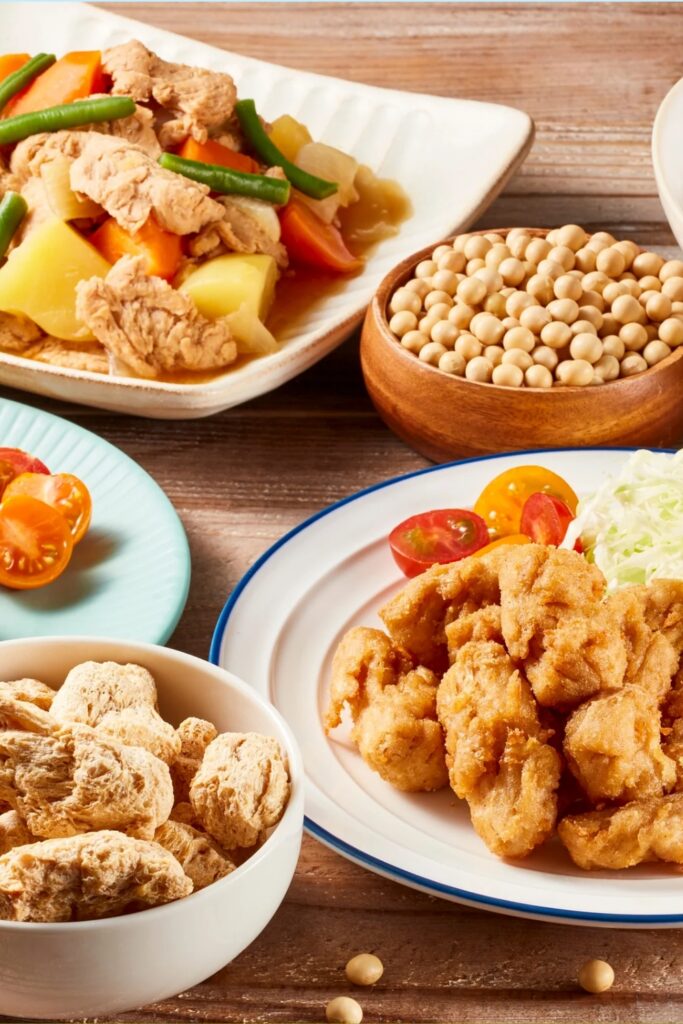
Side dishes help create a balanced and satisfying meal.
They can add colour, texture, flavour, and variety to your wedding menu.
Popular choices include rice, roasted potatoes, vegetables, salads, pasta, plantains, and other dishes that complement your main course.
How to Choose the Right Side Dishes
Start by considering the flavours and ingredients in your main course.
For example, grilled chicken may pair well with seasoned rice and vegetables, while a rich beef dish might work with potatoes and a fresh salad.
You should also consider the overall menu.
If the main course is particularly rich, lighter side dishes can provide balance. If you are serving a simple main dish, more flavourful sides may help create a satisfying meal.
Include Familiar Favourites
Your wedding menu does not need to feature complicated dishes to impress your guests.
Sometimes, well-prepared familiar foods are more enjoyable than elaborate meals that do not suit your guests’ preferences.
Choose side dishes that complement your main course and are practical for your caterer to prepare in the required quantities.
8. Do Not Forget the Desserts
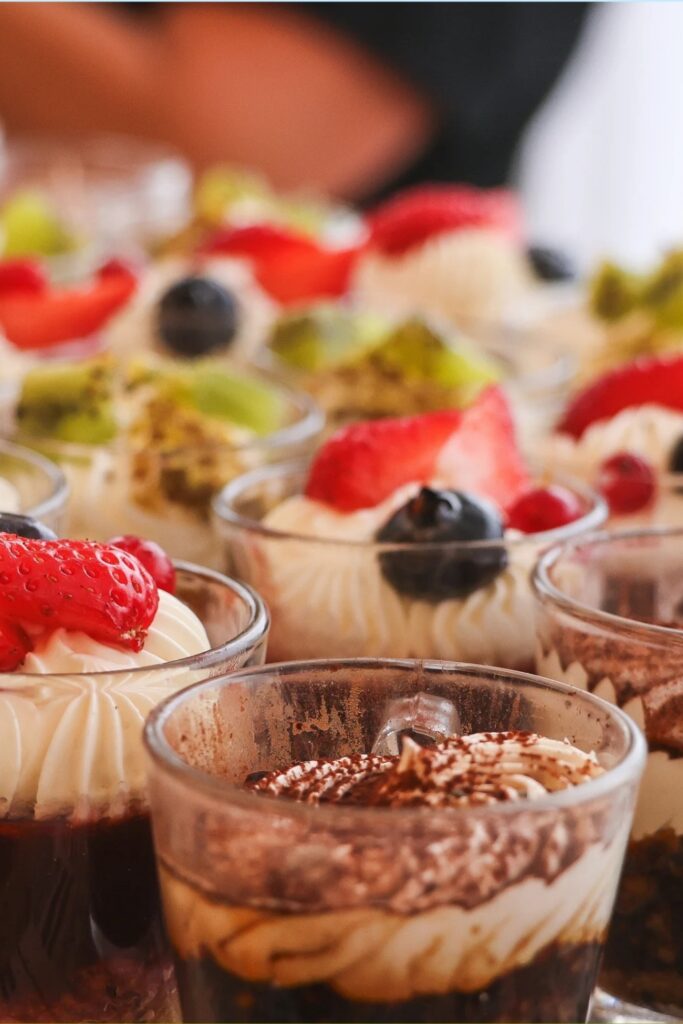
Dessert is often one of the most anticipated parts of a wedding meal.
It gives guests something sweet to enjoy after the main course and can provide an attractive finishing touch to your reception.
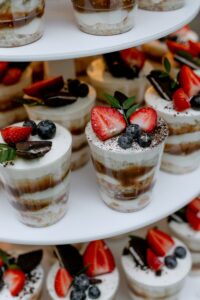
You can choose a traditional wedding cake, individual desserts, a dessert table, or a combination of options.
Popular Wedding Dessert Ideas
Consider including:
- Wedding cake.
- Red velvet cupcakes.
- Chocolate mousse cups.
- Mini cheesecakes.
- Fruit tarts.
- Chocolate-covered strawberries.
- Personalised cookies.
- Small pastries.
- Fresh fruit platters.
Your choices should complement your wedding theme and the rest of the menu.
If you are planning a Valentine’s-themed celebration, chocolate desserts, red velvet treats, and heart-shaped pastries can add a romantic touch.
Should You Serve More Than One Dessert?
That depends on your budget, guest count, and preferences.
A wedding cake may be sufficient for some celebrations, while others may benefit from a small dessert selection.
If you choose several desserts, consider offering different flavours and textures rather than multiple versions of the same treat.
For example, you might combine a slice of wedding cake with a fruit-based dessert or a small chocolate treat.
This creates variety without requiring an excessively large dessert table.
9. Plan Your Wedding Drinks Menu
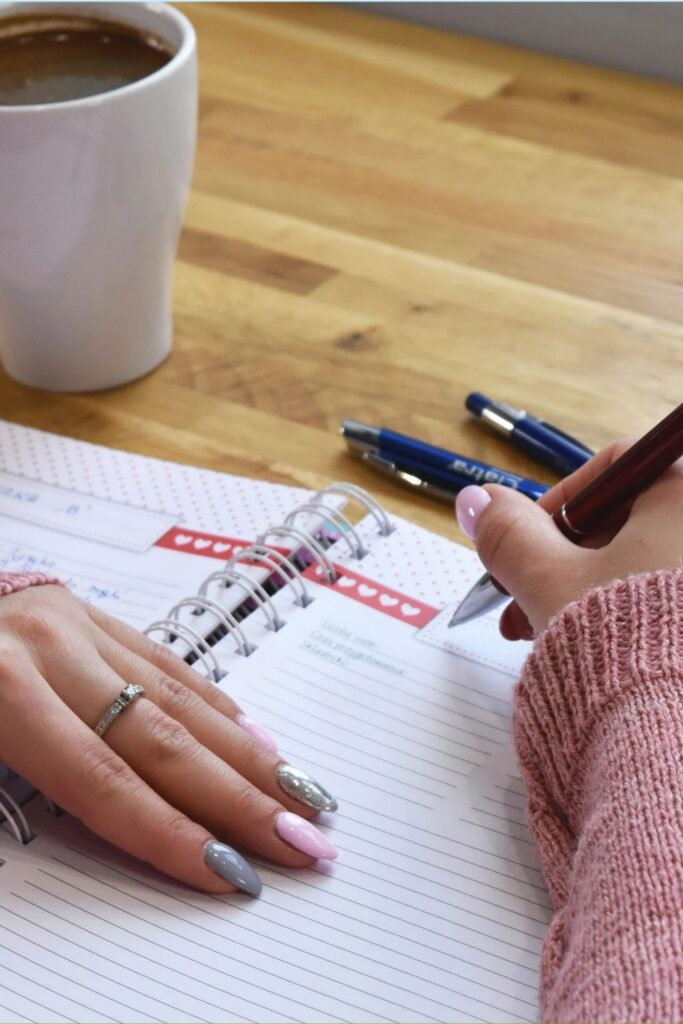
Drinks are another important part of your catering plan.
Your selection might include water, fruit juices, soft drinks, mocktails, tea, coffee, and alcoholic beverages where appropriate.
The right drinks menu depends on your guests, wedding style, budget, and local requirements.
Match Your Drinks to Your Menu
Consider the food you are serving when selecting beverages.
Refreshing drinks may complement a daytime outdoor celebration, while a formal evening reception might include a wider selection of beverages.
You can also offer a signature drink that reflects your relationship or wedding theme.
For couples considering cocktails, 25 TASTY POPULAR WEDDING COCKTAILS provides inspiration for drinks that can add variety to the reception.
Remember to provide attractive non-alcoholic alternatives so guests who do not drink alcohol have suitable choices.
Calculate Your Beverage Requirements
The quantity of drinks you need depends on your guest count, the length of the reception, the weather, and your service arrangements.
Ask your caterer or beverage supplier to help estimate suitable quantities.
Make sure drinking water is readily available throughout the event, especially for outdoor weddings or celebrations held in warm weather.
10. Consider Seasonal and Locally Available Ingredients
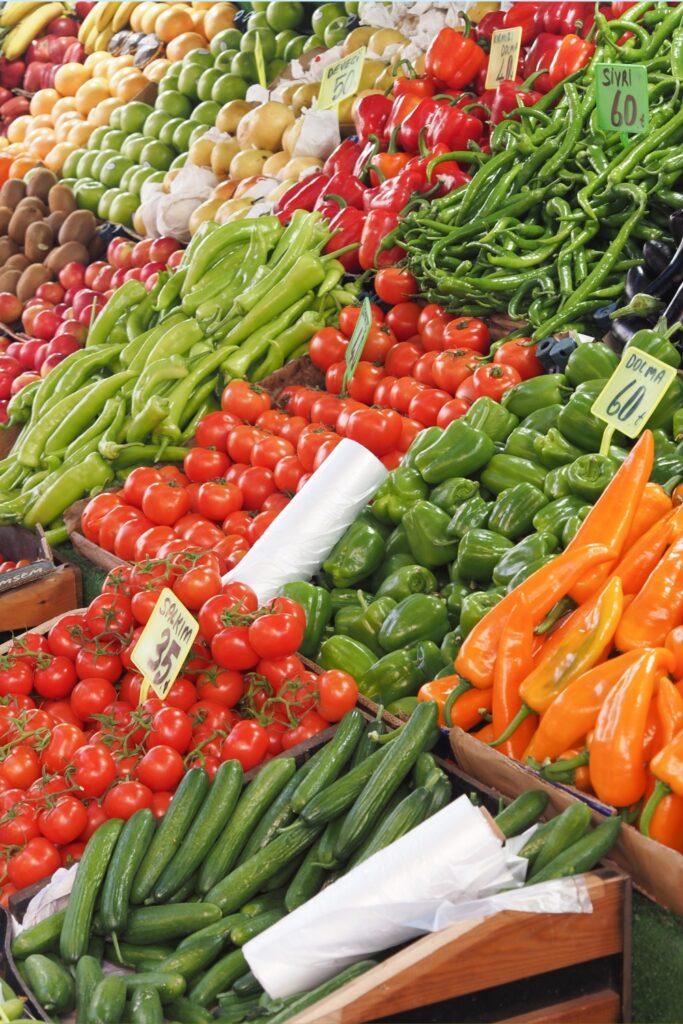
Seasonal and locally available ingredients can help you plan a menu that is practical, fresh, and appropriate for your location.
Depending on your region and the time of year, some fruits, vegetables, and other ingredients may be more readily available or affordable than others.
Choosing ingredients that are easy for your caterer to source can also reduce the risk of last-minute substitutions.
Why Local Ingredients Can Be a Good Choice
Local ingredients may offer several advantages:
- They can be easier to source.
- They may help reduce transportation costs.
- They allow you to include familiar regional dishes.
- They can reflect your cultural background.
- They may provide seasonal variety.
However, availability and cost vary, so confirm your choices with your caterer before finalising the menu.
Incorporate Cultural Favourites
If you and your partner come from different cultural backgrounds, your wedding menu can be an opportunity to celebrate both traditions.
You might offer dishes from each culture or combine familiar favourites with a few contemporary options.
Discuss the menu with your partner and consider the preferences of your families without feeling pressured to include every possible dish.
The goal is to create a meal that feels meaningful to you as a couple.
11. Coordinate Your Menu With Your Wedding Decorations
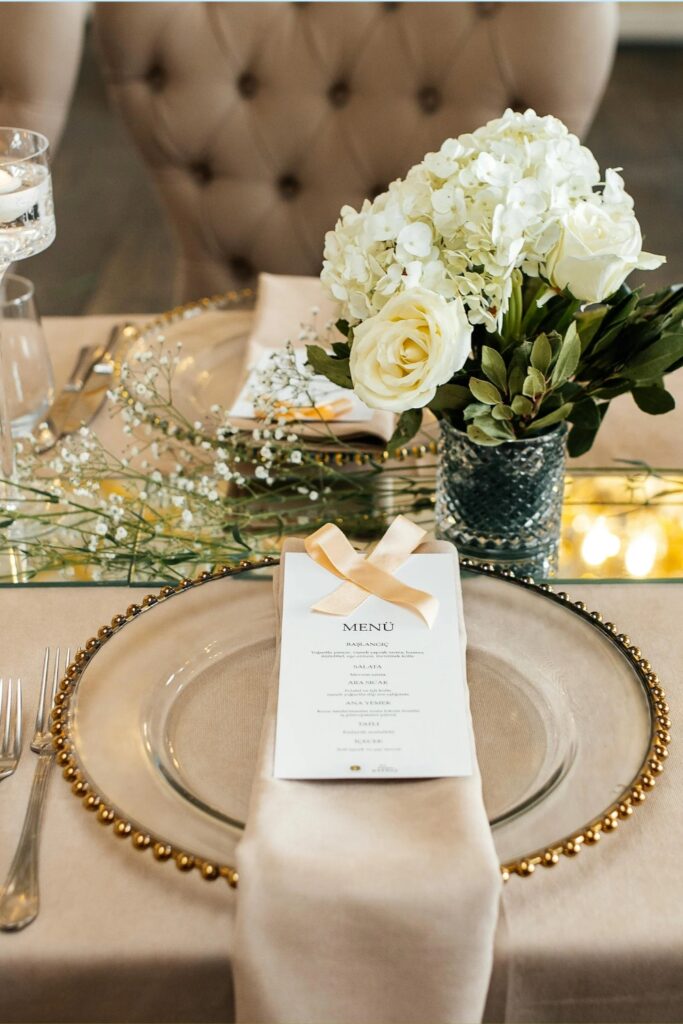
Food is part of the overall visual experience of your wedding.
Although taste and quality should always come first, thoughtful presentation can make the reception feel more cohesive.
Your menu can complement your colour palette, table settings, flowers, and overall wedding theme.
Simple Ways to Improve Food Presentation
Consider the following ideas:
- Use serving dishes that complement your wedding style.
- Choose coordinated menu cards and food labels.
- Arrange buffet stations neatly.
- Use suitable garnishes to add colour.
- Keep food displays clean and accessible.
- Ensure decorations do not interfere with food safety.
You do not need to make every dish match your wedding colours exactly.
Instead, focus on creating an attractive and practical presentation that allows the food to look appealing without compromising quality.
If you are planning a romantic wedding, your food presentation can complement the overall theme through subtle colours, elegant serving trays, and carefully arranged desserts.
12. Think About Your Wedding Photography
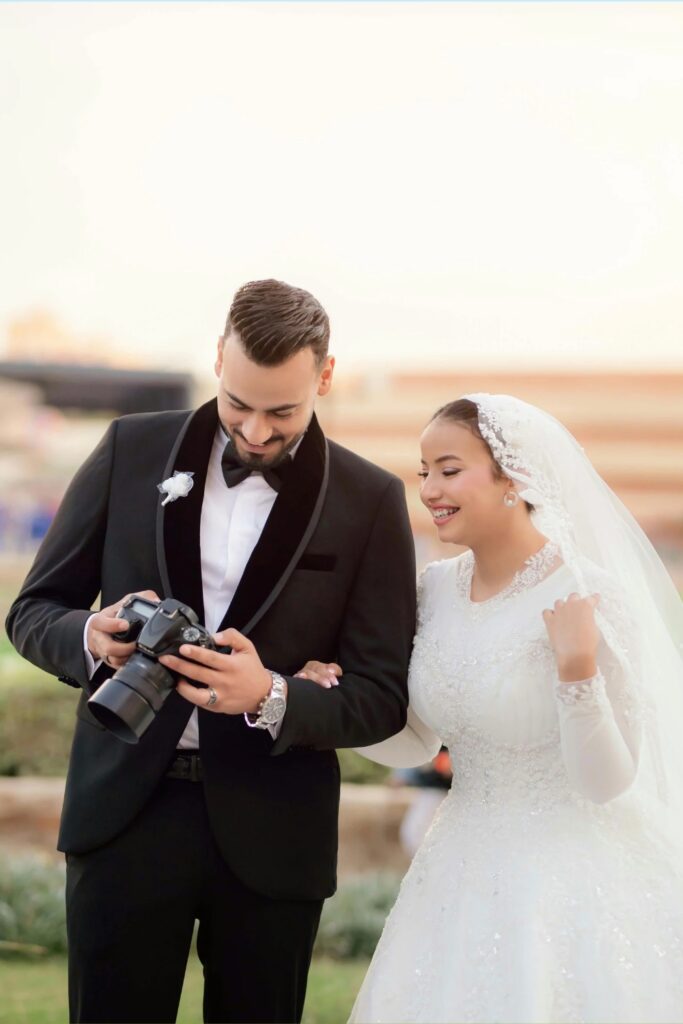
Your wedding menu may not seem directly connected to photography, but the two can work together to preserve the details of your celebration.
Photographs of the wedding cake, table settings, signature drinks, and carefully arranged food displays can help tell the complete story of your day.
If you have invested time in designing a beautiful reception, consider allowing your photographer to capture the venue and food displays before guests begin eating.
For inspiration, explore CURRENT TRENDS IN WEDDING PHOTOGRAPHY YOU SHOULD CONSIDER to discover different ways photographers capture wedding details, decorations, and memorable moments.
How to Prepare for Food Photography
Let your photographer know about any special displays or signature dishes you would like photographed.
Coordinate with your caterer so the food can be arranged before the reception begins.
If you have a dessert table or an elaborate wedding cake, consider scheduling a short photography session before guests enter the reception area.
This allows the photographer to capture the details without interrupting the event.
13. Consider Your Bridal Party’s Needs

Your wedding catering plan should also account for the people who will be helping you throughout the day.
Bridesmaids, groomsmen, and other members of the wedding party may spend several hours getting ready, participating in photographs, and assisting with the ceremony.
Make sure they have access to water, refreshments, and suitable meals at appropriate times.
Plan Food for the Getting-Ready Period
Depending on your schedule, you might arrange sandwiches, fruit, pastries, or other convenient foods while the bridal party prepares for the ceremony.
Choose options that are easy to eat and unlikely to create unnecessary mess around wedding attire.
You should also allow enough time for everyone to eat before the ceremony or reception activities begin.
If you are coordinating the bridal party’s overall appearance, 25 AMAZING UPDO HAIRSTYLES FOR BRIDESMAIDS can provide inspiration for elegant hairstyles that complement different wedding themes.
For a festive winter celebration, 15 STUNNING CHRISTMAS WEDDING HAIR ACCESSORIES may also help you find seasonal styling details.
Although these topics focus on wedding fashion rather than catering, coordinating the different aspects of your celebration can help create a polished and memorable experience.
14. Arrange a Food Tasting Before the Wedding
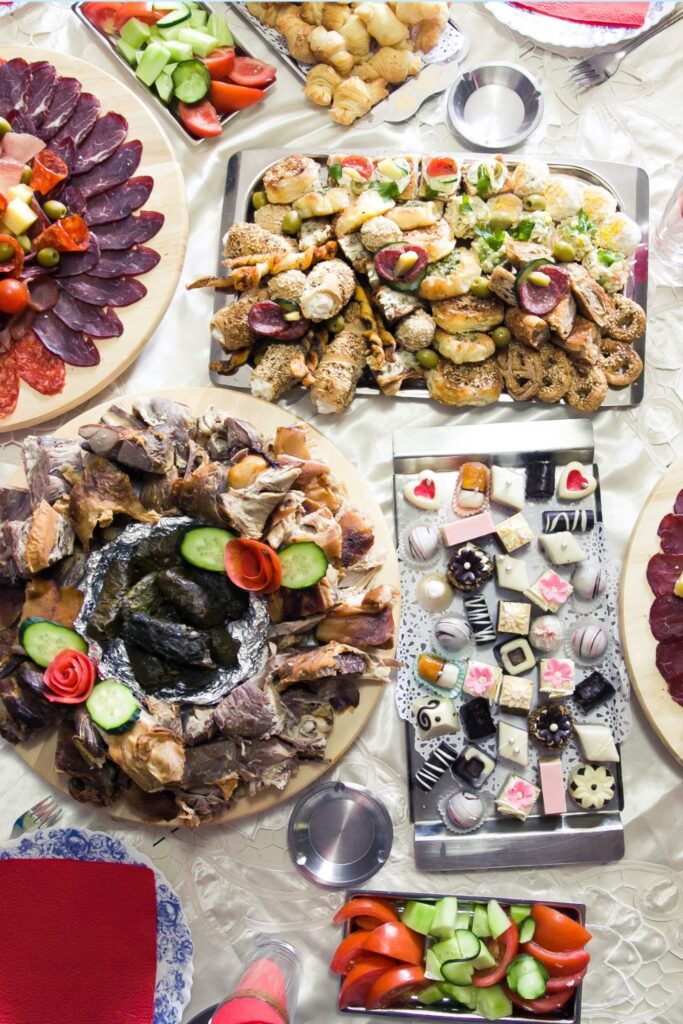
One of the best ways to make confident menu decisions is to taste the food before the wedding day.
A tasting gives you an opportunity to evaluate the flavour, texture, temperature, portion sizes, and presentation of your selected dishes.
It also allows you to discuss any changes with your caterer before the final menu is confirmed.
What Should You Look for During a Tasting?
Pay attention to:
- The quality and freshness of the ingredients.
- The balance of flavours.
- Portion sizes.
- The temperature at which the food is served.
- The appearance of the dishes.
- Whether the menu works well as a complete meal.
Try to evaluate the food in the context of your overall menu rather than judging each dish in isolation.
For example, several rich dishes might taste excellent individually but feel too heavy when served together.
Ask Questions
Use the tasting session to clarify preparation methods, ingredient substitutions, serving arrangements, and any special dietary requirements.
If you are unhappy with a particular dish, discuss possible alternatives.
A tasting is an opportunity to make informed decisions rather than discovering problems on your wedding day.
15. Confirm Your Menu and Catering Details Early
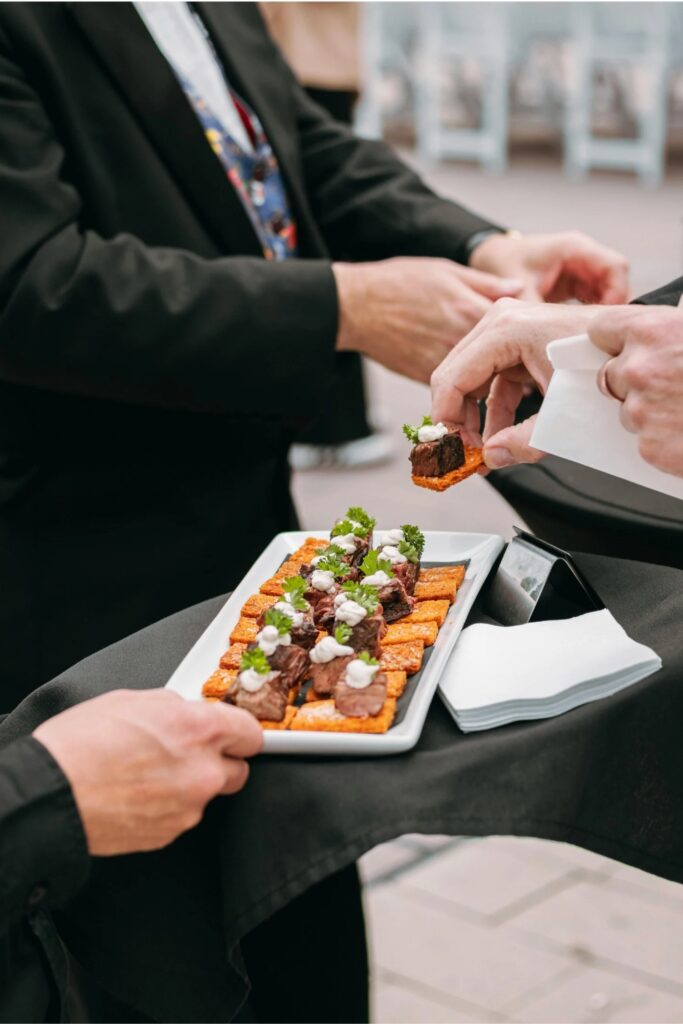
Once you have chosen your dishes, document the final arrangements with your caterer.
This helps everyone understand what will be served, how much food is required, and what services have been agreed upon.
What Should You Confirm?
Before the wedding, review:
- The final menu.
- The estimated guest count.
- The number of meals required.
- Special dietary arrangements.
- The serving style.
- The catering schedule.
- Equipment and staffing requirements.
- Food transportation and storage.
- The final price and payment schedule.
- The procedure for handling last-minute changes.
Confirm the venue’s requirements as well, especially if your caterer needs access to a kitchen, electricity, water, refrigeration, or additional serving space.
A clear agreement reduces confusion and helps the catering team prepare effectively.
Create a Final Menu Checklist
Keep a written copy of the agreed menu and share the relevant details with your planner or designated wedding coordinator.
If the guest count changes, inform your caterer as soon as possible.
Avoid making unnecessary last-minute changes unless they are needed to address an important issue.
The more clearly you communicate your expectations, the easier it will be to manage the catering arrangements.
How to Decide on the Perfect Wedding Menu
Common Wedding Menu Mistakes to Avoid
Even with careful planning, some mistakes can affect the quality of your wedding dining experience.
Being aware of them can help you make better decisions.
1. Choosing Too Many Dishes
A large menu may look impressive, but it can increase costs, complicate food preparation, and create unnecessary waste.
Choose a balanced selection of dishes rather than including every food you enjoy.
2. Ignoring Dietary Requirements
Failing to consider allergies, religious requirements, and other dietary needs can leave some guests with limited options.
Ask about important requirements in advance and work with your caterer to provide suitable alternatives.
3. Forgetting About Food Timing
Food should be served at appropriate times and maintained at safe temperatures.
Coordinate the catering schedule with your ceremony, speeches, entertainment, and other reception activities.
4. Spending Too Much on Presentation
Beautiful food displays can enhance your reception, but expensive decorations are not a substitute for good food.
Prioritise flavour, freshness, appropriate portions, and service quality before investing in elaborate presentation.
5. Failing to Confirm the Final Guest Count
The number of guests directly affects the amount of food required.
Provide your caterer with the most accurate guest count possible and confirm the deadline for making changes.
This helps reduce the risk of running short of food or paying for substantially more than you need.
6. Choosing Food You Have Never Tasted
A dish may sound appealing on a menu but taste different from what you expected.
Whenever possible, taste important dishes before making your final decision.
This gives you an opportunity to request adjustments and select alternatives with greater confidence.
How to Decide on the Perfect Wedding Menu
Frequently Asked Questions About Choosing a Wedding Menu
1. How Do I Choose the Perfect Wedding Menu?
Start by setting your budget, estimating your guest count, and identifying your preferred wedding style.
Then select appetisers, main courses, side dishes, desserts, and drinks that complement one another.
Consider dietary requirements, local food preferences, and the catering options available at your venue.
Finally, arrange a tasting and confirm the details with your caterer before the wedding.
2. How Many Dishes Should a Wedding Menu Include?
There is no fixed number of dishes suitable for every wedding.
The right quantity depends on your catering style, budget, guest count, and whether you are serving multiple courses.
A plated meal may include an appetiser, main course, side dishes, and dessert, while a buffet may offer several options within each category.
Focus on providing a satisfying and balanced meal rather than maximising the number of dishes.
3. Should I Choose a Buffet or a Plated Dinner?
A buffet offers variety and allows guests to choose their portions, while a plated dinner provides a more structured and formal dining experience.
Your decision should depend on your budget, venue, guest count, staffing requirements, and preferred atmosphere.
Discuss both options with your caterer before making a final choice.
4. How Can I Reduce Wedding Catering Costs?
You can manage costs by setting a realistic budget, choosing seasonal ingredients, limiting unnecessary menu items, and selecting a catering style that suits your guest count.
Ask your caterer for itemised quotations and compare the services included in each package.
Avoid making decisions based only on the lowest price. Food quality, service, and reliability are also important.
5. Should I Include Traditional Foods in My Wedding Menu?
Yes. Traditional foods can make your wedding menu more personal and meaningful.
You can combine cultural favourites with contemporary dishes or offer a selection that reflects the backgrounds of both partners.
Choose foods that you enjoy and that are appropriate for your guests and celebration.
6. When Should I Finalise My Wedding Menu?
The timeline depends on your venue, caterer, and wedding date.
It is sensible to begin discussing your menu early in the planning process, especially if you are getting married during a busy season.
Confirm the menu, dietary arrangements, and estimated guest count according to your caterer’s deadlines.
Leave enough time for a tasting and any necessary adjustments.
How to Decide on the Perfect Wedding Menu
Final Thoughts on How to Decide on the Perfect Wedding Menu
Choosing the food for your wedding does not have to be a stressful experience. With a clear budget, thoughtful planning, and an understanding of your guests’ needs, you can create a menu that complements your celebration and makes everyone feel welcome.
Learning How to Decide on the Perfect Wedding Menu starts with understanding what matters most to you as a couple. Whether you prefer traditional dishes, elegant plated meals, creative food stations, or a relaxed buffet, your choices should reflect your personality and the experience you want to create.
Remember to consider your guest count, dietary requirements, catering style, and available budget before making your final decisions. Taste your selected dishes, communicate clearly with your caterer, and confirm the arrangements well before your wedding day.
You can also coordinate your food choices with your wedding drinks, decorations, photography, and bridal party styling to create a celebration that feels cohesive and thoughtfully planned.
Most importantly, do not feel pressured to serve an elaborate menu simply because it is fashionable. Delicious food, good service, and thoughtful hospitality can make a lasting impression without unnecessary expense.
By taking the time to plan carefully, How to Decide on the Perfect Wedding Menu becomes much easier, allowing you to focus on enjoying your special day and celebrating with the people who matter most.
This post showed you How to Decide on the Perfect Wedding Menu.