How to Choose an Earthy Wedding Palette Color
This post contains affiliate links. If you make a purchase through these links, we may earn a small commission at no extra cost to you. Thank you for supporting Veil & Crown!
This post will show you How to Choose an Earthy Wedding Palette Color for a Beautiful, Whimsical Garden Wedding.
Planning a wedding is exciting until you start making decisions about the little things. One minute, you are saving beautiful wedding inspiration on Pinterest, and the next, you have twenty different shades of green, brown, beige, and blush saved to your phone. Everything looks beautiful on its own, but somehow, putting the colors together feels like another wedding task you did not prepare for.
I think that is one of the reasons earthy wedding colors are so appealing. They feel natural, warm, and effortlessly beautiful without making the wedding look like you spent months trying to make every detail perfect. Whether you are planning an intimate outdoor ceremony or figuring out How to plan a whimsical garden wedding on a budget, choosing the right earthy wedding palette color can help you create a celebration that feels romantic, personal, and thoughtfully styled.
The lovely thing about an earthy wedding palette is that you do not need an expensive venue or extravagant decorations to make it work. With the right combination of colors, natural textures, seasonal flowers, and a few thoughtful details, you can create a wedding that feels beautiful without stretching your budget.
In this guide, we will discuss how to choose an earthy wedding palette color, which shades work beautifully together, and how to use your chosen colors throughout your wedding decor, bridesmaid dresses, flowers, and reception details.
What Is an Earthy Wedding Palette?
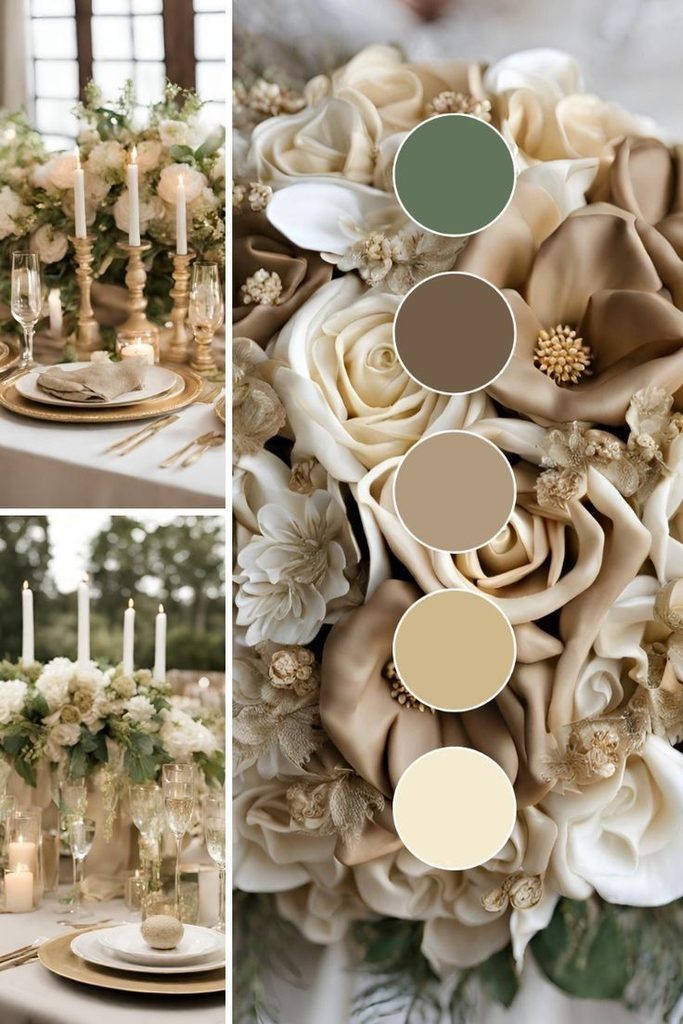
Photo credit
An earthy wedding palette is a collection of colors inspired by nature. Think of the warm brown of tree bark, the soft green of fresh leaves, the muted beige of sand, the creamy shade of linen, and the rich terracotta color of clay.
These colors work beautifully together because they feel connected to the natural world. Instead of relying on bright, contrasting shades, an earthy wedding palette usually combines warm neutrals, muted greens, soft browns, and subtle romantic colors.
For couples planning an outdoor celebration, earthy wedding colors are especially lovely because they complement the surroundings rather than compete with them.
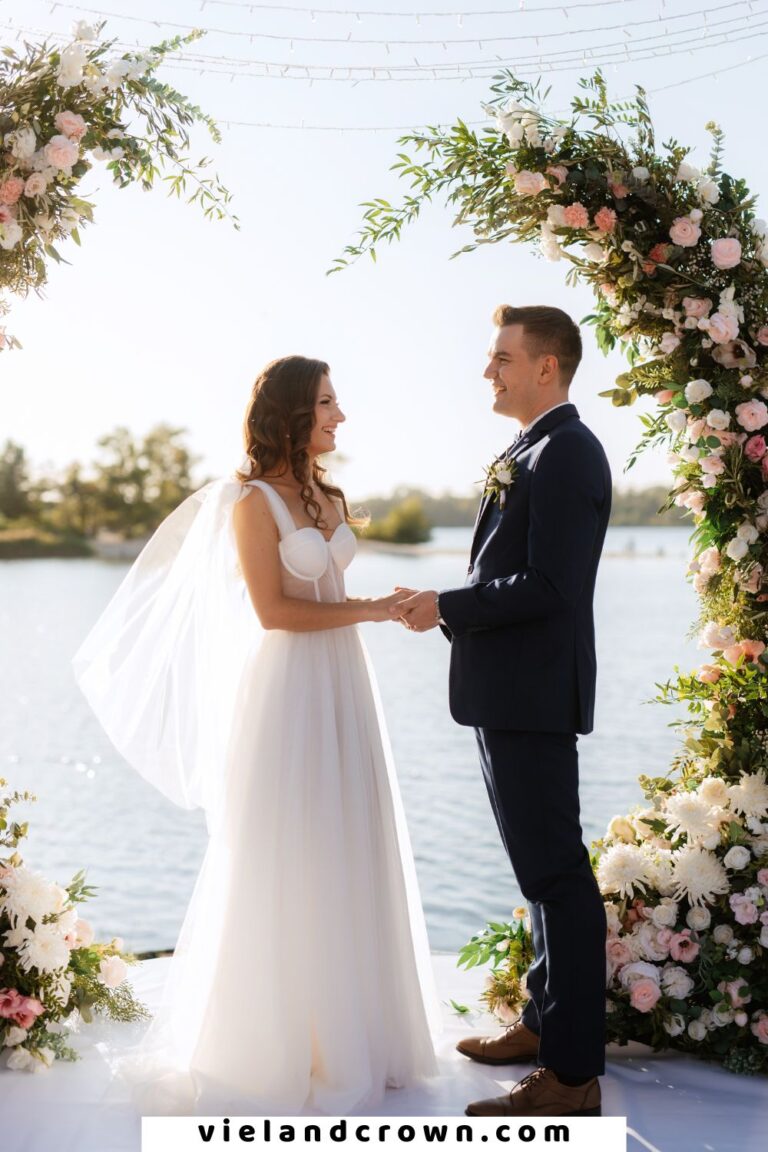
Imagine exchanging vows beneath a large tree, with ivory flowers, olive green foliage, beige table linens, and wooden chairs surrounding the ceremony space. The colors feel natural, but the overall effect can still be elegant and romantic.
That is the beauty of choosing an earthy wedding palette color. It allows you to create a wedding atmosphere that feels intentional without making everything look overly coordinated.
Earthy wedding colors are also an excellent choice if you are researching How to plan a whimsical garden wedding on a budget. Natural surroundings already provide much of the decoration, so you can focus your spending on a few details that make the biggest difference.
Why Choose an Earthy Wedding Palette Color?
Before choosing your wedding colors, think about the atmosphere you want to create. Do you want your wedding to feel romantic and soft, rustic and relaxed, elegant and sophisticated, or whimsical and full of garden charm?
Earthy wedding colors can achieve all these looks depending on the shades you combine.
Here are a few reasons to consider an earthy wedding palette for your celebration.
1. Earthy Colors Complement Outdoor Venues
If you are getting married in a garden, vineyard, backyard, woodland venue, or countryside setting, earthy colors can make the entire space feel more connected.
Shades such as sage green, olive, terracotta, taupe, and ivory blend beautifully with trees, flowers, grass, and wooden structures.
You will not need to cover every surface with decorations because the natural setting already contributes to the overall look.
This is particularly helpful when planning How to plan a whimsical garden wedding on a budget, as you can use the existing landscape as part of your wedding design instead of spending heavily on artificial backdrops and elaborate installations.
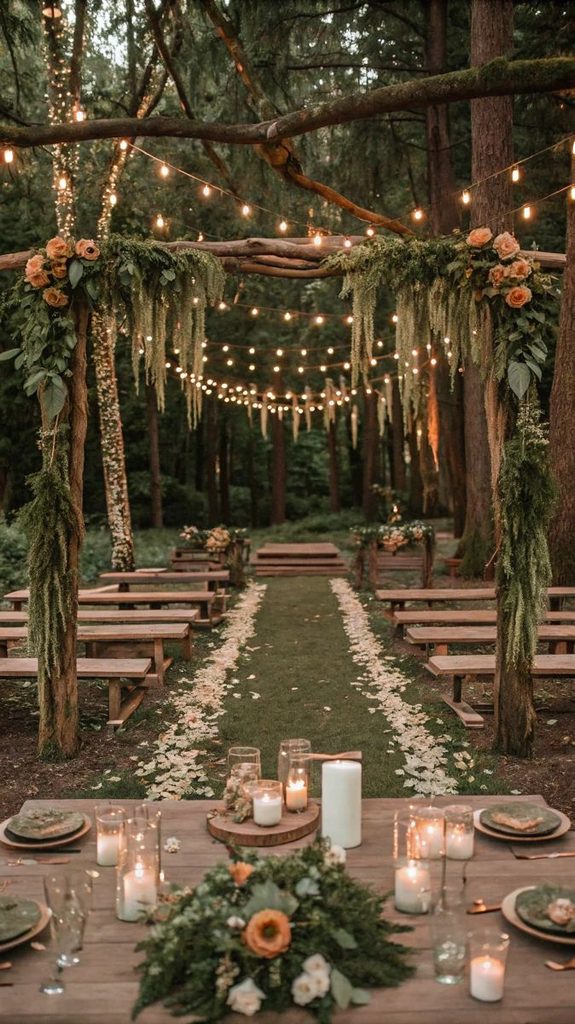
2. They Create a Warm and Romantic Atmosphere
Some wedding palettes look striking but can feel a little too formal for couples who want a relaxed celebration.
Earthy wedding colors offer a softer alternative. Warm browns, creamy neutrals, muted greens, and dusty pinks create an inviting atmosphere that feels romantic without being overwhelming.
These colors also work beautifully in photographs, especially when natural light, greenery, and fresh flowers are part of the setting.
3. They Are Easy to Incorporate Into Different Wedding Details
Your wedding palette should work across different elements of your celebration.
You want your flowers, bridesmaid dresses, invitations, table settings, ceremony decorations, and reception styling to feel connected.
Fortunately, earthy wedding colors are relatively easy to coordinate. You can use olive green for your bridesmaids, ivory for your flowers, terracotta for your stationery accents, and natural wood tones for your reception tables.
Everything does not need to match exactly. The goal is to create a consistent look that feels natural.
4. They Work Beautifully for Budget Weddings
A beautiful wedding does not require every decoration to be expensive.
Earthy wedding colors make it easier to work with affordable materials such as linen, wood, glass, dried flowers, greenery, and simple ceramic vases.
You can also reuse ceremony flowers at the reception, choose seasonal blooms, and incorporate natural features that are already available at your venue.
These small decisions can make a noticeable difference when planning How to plan a whimsical garden wedding on a budget without sacrificing the overall aesthetic.
How to Choose an Earthy Wedding Palette Color
Choosing wedding colors becomes much easier when you have a clear starting point. Instead of selecting every shade you like, begin with your venue, decide on the mood you want, and build your palette around a few complementary colors.
Here is how to approach it.
1. Start With Your Wedding Venue
Your venue should influence your earthy wedding palette color choices.
A garden filled with lush greenery may look beautiful with sage, ivory, and warm beige. A rustic barn with wooden beams may suit terracotta, caramel, cream, and chocolate brown.
A bright outdoor venue with lots of sunlight could work beautifully with sand, dusty rose, and olive green.
Before choosing your palette, pay attention to the colors already present at your venue.
Look at the flooring, walls, chairs, trees, flowers, and other permanent features. You want your wedding colors to complement these elements rather than clash with them.
For example, if your garden venue already has plenty of green foliage, you do not necessarily need to introduce several additional shades of green.
You could use ivory and terracotta as your main decorative colors, with the existing greenery providing the natural backdrop.
This is a practical way to make How to plan a whimsical garden wedding on a budget easier because you can work with what you already have.
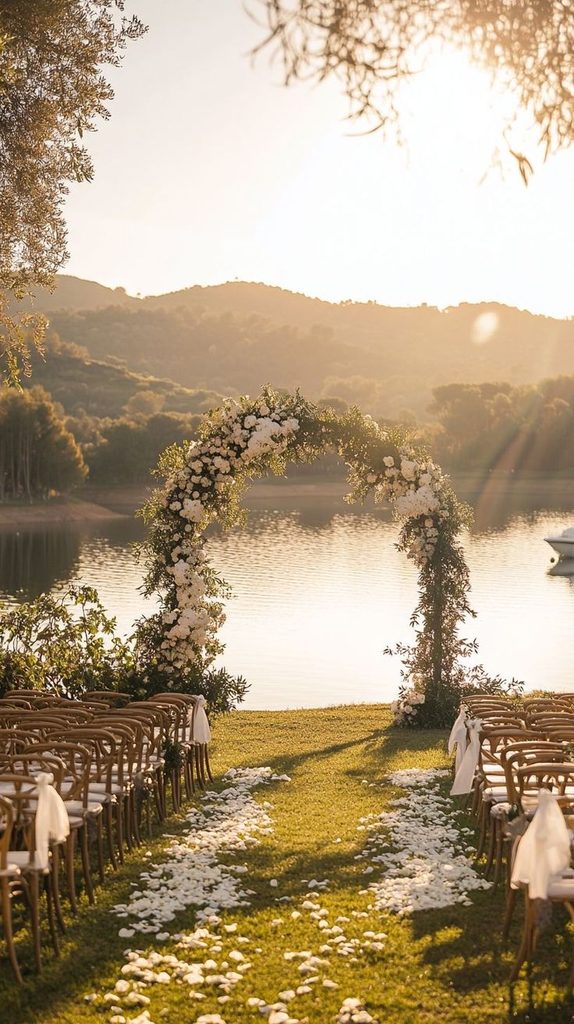
2. Choose Two or Three Main Colors
One mistake couples sometimes make is choosing too many wedding colors at once.
You might love sage green, terracotta, dusty rose, champagne, mustard yellow, chocolate brown, and ivory. Unfortunately, using every shade equally can make the overall design feel scattered.
A simpler approach is to select two or three main colors and introduce one or two supporting shades.
For example, your palette could include:
- Sage green as your main color.
- Warm beige as your neutral.
- Ivory as your light accent.
- Terracotta as a small decorative detail.
This combination feels earthy, warm, and elegant without becoming visually overwhelming.
You can also use different shades of the same color to create depth. Olive green, sage green, and soft eucalyptus green can work together when balanced with neutral tones.
The key is to decide which colors should stand out and which should support the overall look.
3. Consider the Season of Your Wedding
Your wedding season can help you narrow down your color choices.
Spring weddings often look lovely with sage green, ivory, soft peach, and muted pink.
Summer celebrations can accommodate lighter earthy tones such as sand, cream, pale olive, and dusty rose.
Autumn weddings are especially suited to terracotta, rust, caramel, cinnamon, and chocolate brown. Winter celebrations can feel warm and sophisticated with deep olive, burgundy, mocha, champagne, and ivory.
These are suggestions rather than strict rules. You can use any earthy wedding palette color throughout the year, but considering the season can help your choices feel more connected to the atmosphere you want.
If you are planning an outdoor wedding, remember to consider the flowers that will be available during your chosen season. Seasonal blooms may be easier to source and can help you manage your floral budget.
4. Think About Your Wedding Flowers
Flowers can influence the entire appearance of your wedding palette.
If you love white roses, baby’s breath, and greenery, a combination of ivory, sage, and beige may be a natural fit. If you prefer dried flowers, pampas grass, and warm-toned blooms, terracotta, rust, and sand could work beautifully.
You do not need to choose your flowers before deciding on your palette, but the two decisions should complement each other.
For couples who love fuller floral arrangements, it is worth exploring 15 Rich Floral Arrangement Ideas for inspiration on combining blooms, greenery, and different textures.
If you are working with a limited budget, ask your florist which seasonal flowers are available and choose your palette with those options in mind.
You may find that a slightly flexible color palette gives you more affordable choices without compromising the look you want.
5. Consider Your Bridesmaids’ Dresses
Your bridesmaids’ dresses are another important part of your wedding color scheme.
Fortunately, earthy wedding colors offer several flattering options, including olive green, sage, mocha, rust, terracotta, champagne, and dusty rose.
You can choose one shade for every bridesmaid or use complementary earthy tones for a more relaxed, coordinated look.
For example, bridesmaids wearing different shades of olive, sage, and muted brown can create a beautiful visual effect against a garden backdrop.
If you want a richer and more luxurious appearance, consider 25 Stunning Velvet Bridesmaid Dresses Ideas for inspiration on incorporating texture into your wedding palette.
Velvet can be especially beautiful for autumn and winter celebrations, while lighter fabrics may feel more comfortable for a warm outdoor wedding.
Remember to consider the weather, the formality of your ceremony, and the comfort of your bridal party before making your final decision.
6. Test Your Colors Together Before Committing
A color that looks beautiful on your phone may appear different in natural light.
Before finalizing your earthy wedding palette color, gather a few physical samples if possible. These might include fabric swatches, stationery samples, flower photographs, and linen samples.
Place them together and observe how the colors interact.
Does the beige look too yellow beside your chosen green? Does the terracotta feel too bold? Does the ivory soften the darker shades?
You can also create a digital mood board to see how your choices work together.
This small step can prevent unnecessary spending on decorations or accessories that do not fit the final look.
It is one of the simplest ways to make your wedding planning more organized, especially when you are trying to figure out How to plan a whimsical garden wedding on a budget.
Beautiful Earthy Wedding Palette Color Combinations to Consider
Now that you understand how to choose your wedding colors, let’s look at some combinations you can use for your celebration.
You do not need to copy any palette exactly. Think of these combinations as starting points that you can adjust to suit your venue, personality, and budget.
1. Sage Green, Ivory, and Beige
This combination is perfect for couples who want a soft, natural, and understated wedding.
Sage green adds a gentle touch of color, ivory keeps the palette light, and beige introduces warmth without making the overall look too busy.
You could use sage green for your bridesmaid dresses, ivory for your bouquet, and beige for your table linens or ceremony decorations.
This palette works particularly well for garden weddings because it complements the surrounding greenery.
It is also practical for a budget-conscious celebration because simple ivory flowers, neutral linens, and natural foliage can create a cohesive look without requiring expensive decorative installations.
2. Terracotta, Cream, and Olive Green
If you prefer a warmer palette, terracotta, cream, and olive green are worth considering.
Terracotta introduces an earthy, clay-inspired color, cream softens the overall appearance, and olive green adds depth.
This combination works beautifully for rustic garden weddings, outdoor dinners, and countryside celebrations.
You can incorporate terracotta through stationery, candles, napkins, or ceramic vases. Cream can appear in your wedding flowers and table linens, while olive green can be introduced through foliage and bridesmaid dresses.
For couples planning How to plan a whimsical garden wedding on a budget, this palette is especially useful because you can use affordable natural materials to reinforce the overall aesthetic.
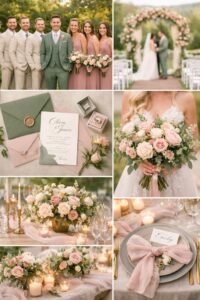
3. Dusty Rose, Taupe, and Sage Green
Dusty rose is a lovely choice for couples who want a romantic earthy wedding palette without relying entirely on neutral colors.
When paired with taupe and sage green, it creates a soft, balanced combination that feels elegant and relaxed.
You can use dusty rose in your flowers, taupe in your stationery or table settings, and sage green in the surrounding decorative details.
This combination is ideal for a spring garden wedding or a romantic outdoor ceremony.
If you are drawn to pink but want a more coordinated color scheme, you can also Read 20 Perfect Blush Wedding Color Palette Ideas for inspiration on pairing blush with other wedding colors.
4. Mocha, Champagne, and Ivory
Mocha, champagne, and ivory create a sophisticated earthy wedding palette that feels warm without becoming too rustic.
Mocha adds depth, champagne introduces a soft golden undertone, and ivory keeps the design fresh.
This combination works well for couples who want a refined garden wedding with elegant table settings, understated floral arrangements, and subtle metallic accents.
You could use mocha in bridesmaid dresses or stationery, champagne in candle holders or table details, and ivory in your flowers and linens.
You do not need expensive gold decorations to achieve an elegant appearance. A few champagne-toned accents can be enough to bring the palette together.
5. Rust, Burnt Orange, and Warm Beige
For an autumn wedding, rust, burnt orange, and warm beige create a rich palette inspired by changing leaves and natural landscapes.
The colors feel warm and inviting, especially when paired with wooden furniture, candles, dried flowers, and seasonal greenery.
Rust can appear in your bridesmaid dresses or napkins, while warm beige provides balance through the table linens and stationery.
Burnt orange can be introduced through floral arrangements or smaller decorative details.
Because these colors already have a strong visual presence, avoid using them in equal amounts everywhere. Let one shade lead while the others provide support.
6. Chocolate Brown, Olive Green, and Cream
This combination is ideal for couples who want an earthy wedding palette with a little more depth.
Chocolate brown feels rich and grounded, olive green adds a natural element, and cream prevents the palette from becoming too dark.
You could use chocolate brown for your stationery, olive green for bridesmaid dresses, and cream for flowers and table linens.
For an outdoor wedding, natural wood, greenery, and soft candlelight can help these shades feel warm rather than heavy.
This palette can also work beautifully for an evening celebration when paired with thoughtful lighting and simple decorative details.
7. Blush, Terracotta, and Champagne
If you want a romantic palette with a little warmth, blush, terracotta, and champagne offer a lovely balance.
Blush brings softness, terracotta adds an earthy quality, and champagne introduces a subtle sense of elegance.
This combination works well for garden ceremonies with soft floral arrangements and relaxed reception styling.
You can use blush in your bouquet, terracotta in your stationery or table details, and champagne in your accessories or candle holders.
For a more romantic look, explore 20 Perfect Blush Wedding Color Palette Ideas to see how pink tones can work with neutrals and other earthy shades.
8. Forest Green, Cream, and Caramel
Forest green is a deeper alternative to sage or olive, making it a good choice for couples who want their wedding palette to feel dramatic but still natural.
Cream provides contrast, while caramel introduces warmth.
This combination works particularly well for garden weddings surrounded by mature trees, dense greenery, or woodland scenery.
You could use forest green for bridesmaid dresses, cream for the flowers, and caramel for wooden details or stationery accents.
If your venue already has plenty of greenery, you may only need a few carefully chosen decorative elements to make the palette feel complete.
How to Use Your Earthy Wedding Palette Throughout Your Wedding
Once you have chosen your earthy wedding palette color combination, the next step is to decide where each shade will appear.
The goal is not to make every wedding detail identical. Instead, you want the different elements to feel connected.
Wedding Invitations and Stationery
Your invitations are an easy place to introduce your wedding colors.
For a sage and ivory palette, consider ivory paper with sage lettering or a simple botanical design.
For terracotta and cream, you could use warm cream stationery with terracotta accents.
You do not need elaborate printing techniques to make your invitations look thoughtful. Clean typography, a coordinated envelope, and a simple design can be enough.
Wedding Ceremony Decorations
For a garden ceremony, allow the venue’s natural features to do some of the work.
You might decorate the ceremony chairs with small floral arrangements, use a simple fabric backdrop, or place greenery along the aisle.
Choose details that complement your palette rather than introducing too many new colors.
If your venue has beautiful trees, flowering plants, or an attractive garden pathway, consider how you can incorporate those existing features into the ceremony design.
This is especially helpful when planning How to plan a whimsical garden wedding on a budget, because you can focus your spending on a few meaningful details instead of decorating every available space.
Wedding Flowers and Bouquets
Your flowers can help bring your earthy wedding palette to life.
Ivory roses, white flowers, eucalyptus, olive foliage, seasonal blooms, and muted pink flowers can all work beautifully depending on your chosen combination.
For a warmer palette, consider flowers in peach, rust, terracotta, or dusty rose.
You can also incorporate greenery to create texture and connect the floral arrangements with the outdoor setting.
If your budget is limited, prioritize the bridal bouquet and the ceremony area. Smaller arrangements can be used for reception tables, and ceremony flowers may be moved to the reception afterward if practical.
For more inspiration, refer to 15 Rich Floral Arrangement Ideas when planning how your flowers will complement the rest of your wedding decor.
Bridesmaid Dresses and Bridal Accessories
Your bridesmaids’ dresses can carry one of the strongest colors in your palette.
Sage, olive, terracotta, rust, and mocha are all worth considering, depending on the season and the overall mood you want.
You can coordinate these dresses with bouquets that contain lighter or contrasting shades.
For example, olive green dresses paired with ivory and blush flowers create a soft garden-inspired look. Terracotta dresses with cream bouquets offer a warmer appearance.
Your bridal accessories can also reflect your palette through ribbons, shoes, hair accessories, or a bouquet wrap.
If you want a clean, understated bridal look, consider 15 Beautiful Minimalist Bride Makeup Looks for makeup inspiration that complements a natural wedding aesthetic.
Wedding Reception Tables
Your reception tables are an excellent opportunity to combine your colors with natural textures.
Think linen tablecloths, simple glassware, ceramic vases, wooden details, and candles in complementary shades.
For a sage and beige palette, you might use beige linens, ivory flowers, and sage napkins.
For a terracotta and cream palette, warm neutral tablecloths with terracotta napkins and greenery can create a coordinated look.
You do not have to purchase matching tableware in every color. Borrowed items, rental pieces, and decorations you already own may work just as well.
Evening Reception Lighting
Lighting can change how your wedding colors appear once the sun begins to set.
Warm string lights, candles, and soft ambient lighting can make earthy colors feel richer and more romantic.
If your wedding includes an evening reception, consider how your table decorations and flowers will look under artificial light.
You can explore Evening Reception Decor Ideas You Should Try Out for inspiration on creating a beautiful atmosphere after sunset.
For couples who prefer a more glamorous finish, How to Plan a Luxurious Glam Wedding offers another direction to consider when styling an evening celebration.
You can borrow small elements of glamour, such as elegant candle holders or metallic accents, without changing your entire earthy wedding palette.
How to Choose an Earthy Wedding Palette on a Budget
Choosing beautiful colors is one thing. Bringing them to life without overspending is another.
Fortunately, you can create a lovely earthy wedding aesthetic without buying expensive decorations for every part of the venue.
Here are a few practical ways to keep your wedding budget under control.
1. Use Your Venue’s Natural Beauty
If you are getting married in a garden, take advantage of the greenery, trees, flowers, and natural pathways already available.
You may not need a large floral installation or an elaborate ceremony backdrop if the venue already provides a beautiful setting.
Before purchasing decorations, walk around the venue and identify the areas that genuinely need attention.
2. Choose Seasonal Flowers
Seasonal flowers are often easier to source than varieties that must be specially ordered.
Ask your florist which flowers are available around your wedding date and build your floral choices around those options.
A flexible palette can make it easier to select flowers that fit your budget.
3. Rent or Borrow Decorations
You do not need to purchase every item used at your wedding.
Consider renting table linens, candle holders, vases, ceremony chairs, and other decorative pieces.
You may also be able to borrow suitable items from family members or friends.
The important thing is to ensure that the pieces work with your chosen earthy wedding palette.
4. Focus on the Details Guests Will Notice
Instead of decorating every corner of your venue, choose a few areas that will have the greatest visual impact.
Your ceremony backdrop, bridal bouquet, reception tables, and entrance are good places to start.
You can keep less prominent areas simple and still create a wedding that feels complete.
This approach is especially helpful when figuring out How to plan a whimsical garden wedding on a budget, because it allows you to spend intentionally rather than trying to make every area equally elaborate.
5. Reuse Your Wedding Decorations
Where practical, move ceremony flowers to the reception, reuse decorative vases, and use the same color scheme across your stationery and table settings.
When your palette is coordinated from the beginning, it becomes easier to reuse decorations without making the wedding look repetitive.
Simple planning can save money while helping your wedding feel cohesive.
Common Mistakes to Avoid When Choosing an Earthy Wedding Palette
Even beautiful colors can become difficult to work with when they are not balanced properly.
Here are a few mistakes to avoid.
Choosing Too Many Colors
You may love several earthy shades, but using too many equally can make the overall design feel disconnected.
Start with two or three main colors and add supporting shades only when they serve a clear purpose.
Ignoring Your Venue
A color combination that looks beautiful in a mood board may not work as well in your actual venue.
Consider the existing surroundings, lighting, furniture, and natural features before making your final decision.
Making Every Detail Match Exactly
Your bridesmaid dresses, flowers, stationery, and table linens do not need to be the same shade.
A little variation creates depth and makes the design feel more natural.
Focus on colors that complement each other instead of trying to achieve an exact match everywhere.
Forgetting About Lighting
Natural daylight and evening lighting can affect how your colors appear.
Test samples in conditions similar to those you expect on your wedding day, especially if your ceremony and reception will take place at different times.
Spending Too Much on Decorations
A beautiful earthy wedding palette does not require an expensive purchase for every decorative detail.
Before spending money, consider what your venue already provides and which decorations will make the most noticeable difference.
Remember that How to plan a whimsical garden wedding on a budget is not just about finding cheaper decorations. It is also about making thoughtful choices that help you achieve the look you want with the resources available to you.
Frequently Asked Questions About Earthy Wedding Palette Colors
What are the best colors for an earthy wedding palette?
Some of the most popular earthy wedding colors include sage green, olive green, terracotta, rust, taupe, mocha, caramel, beige, champagne, and ivory. These colors can be combined in different ways depending on your wedding season, venue, and preferred style.
Can I use blush pink in an earthy wedding palette?
Yes. Blush pink works beautifully with sage green, terracotta, beige, taupe, and champagne. It introduces a romantic touch without taking away from the natural appearance of an earthy palette.
What earthy wedding colors are best for a garden wedding?
Sage green, olive green, ivory, beige, and terracotta are excellent choices for a garden wedding. They complement natural greenery and flowers while creating a cohesive outdoor aesthetic.
How many colors should I choose for my wedding palette?
Start with two or three main colors and add one or two supporting shades if needed. This gives you enough variety to create depth without making your wedding decor feel too busy.
Can an earthy wedding palette look luxurious?
Absolutely. Deep olive, chocolate brown, champagne, ivory, and mocha can create a sophisticated appearance. Thoughtful lighting, quality fabrics, elegant table settings, and carefully selected flowers can make an earthy palette feel luxurious without requiring excessive decoration.
How can I choose an earthy wedding palette on a budget?
Begin with your venue and its existing colors, choose a simple palette, use seasonal flowers, rent or borrow decorations, and prioritize the areas that matter most to you. Natural greenery and wooden details can also contribute to the overall look without requiring elaborate installations.
Are earthy wedding colors suitable for every season?
Yes. You can adapt earthy wedding colors to any season. Lighter greens, blush, and ivory work beautifully for spring and summer, while terracotta, rust, chocolate brown, and deeper greens can create a warmer appearance for autumn and winter.
Final Thoughts
Choosing an earthy wedding palette color does not have to be another stressful part of wedding planning. Once you understand the atmosphere you want to create, it becomes easier to select shades that complement your venue, flowers, bridesmaid dresses, and reception decorations.
The most important thing is to choose colors that feel right for you as a couple. You might prefer the softness of sage green and ivory, the warmth of terracotta and beige, or the richer combination of olive green, mocha, and champagne.
Whatever you choose, remember that a beautiful wedding is not defined by how much you spend on decorations. It is about how thoughtfully you bring the details together.
If you are still working through How to plan a whimsical garden wedding on a budget, let your earthy wedding palette guide your decisions. Choose a few complementary colors, make use of your natural surroundings, prioritize meaningful details, and avoid spending money simply because a wedding trend looks beautiful online.
With a little planning, you can create a garden wedding that feels romantic, personal, and effortlessly beautiful without stretching your budget beyond what you can comfortably afford.
This Post showed you How to Choose an Earthy Wedding Palette Color for a Beautiful, Whimsical Garden Wedding.