How to Plan a Valentine Wedding on a Budget
This post contains affiliate links. If you make a purchase through these links, we may earn a small commission at no extra cost to you. Thank you for supporting Veil & Crown!
This post will show you how to plan a Valentine Wedding on a Budget
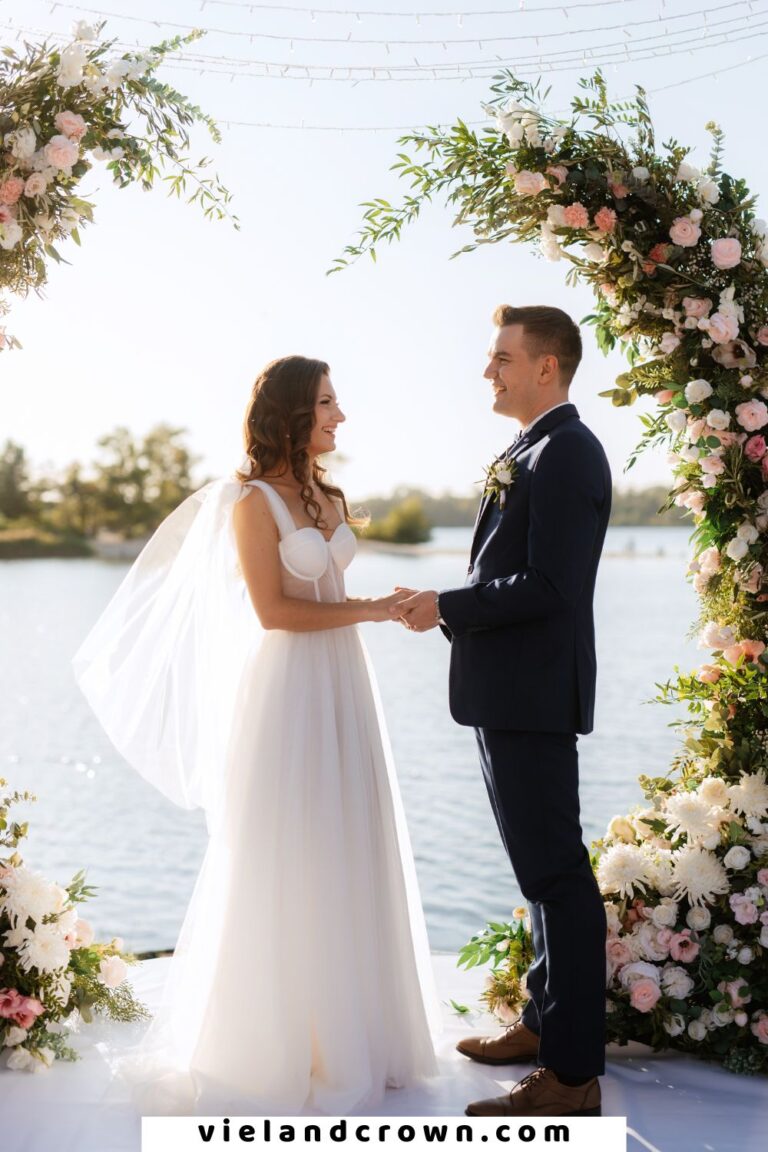
Imagine you have chosen February 14, Valentine’s Day, as your wedding date. Maybe you have always loved the idea of getting married on a day dedicated to love, or your wedding date falls on Valentine’s Day. You already picture the romantic decorations, beautiful outfits, delicious food, and lovely photographs you want for your special day.
But as you begin making plans and checking prices, you realise that bringing your dream wedding to life could cost more than you expected. You want a beautiful celebration, but you also want to stay within your budget without borrowing money or putting unnecessary financial pressure on yourselves. So, how do you make it happen?
Learning how to plan a Valentine wedding on a budget can help you make thoughtful decisions about your venue, decorations, outfits, food, and other wedding expenses. You don’t have to give up the romantic atmosphere you want because you are working with limited funds. With careful planning and the right priorities, you can create a memorable Valentine’s wedding that reflects your love without overspending.
Here are practical steps to plan your special day.
How to Plan a Valentine Wedding on a Budget
1. Set Your Wedding Budget Before Making Plans
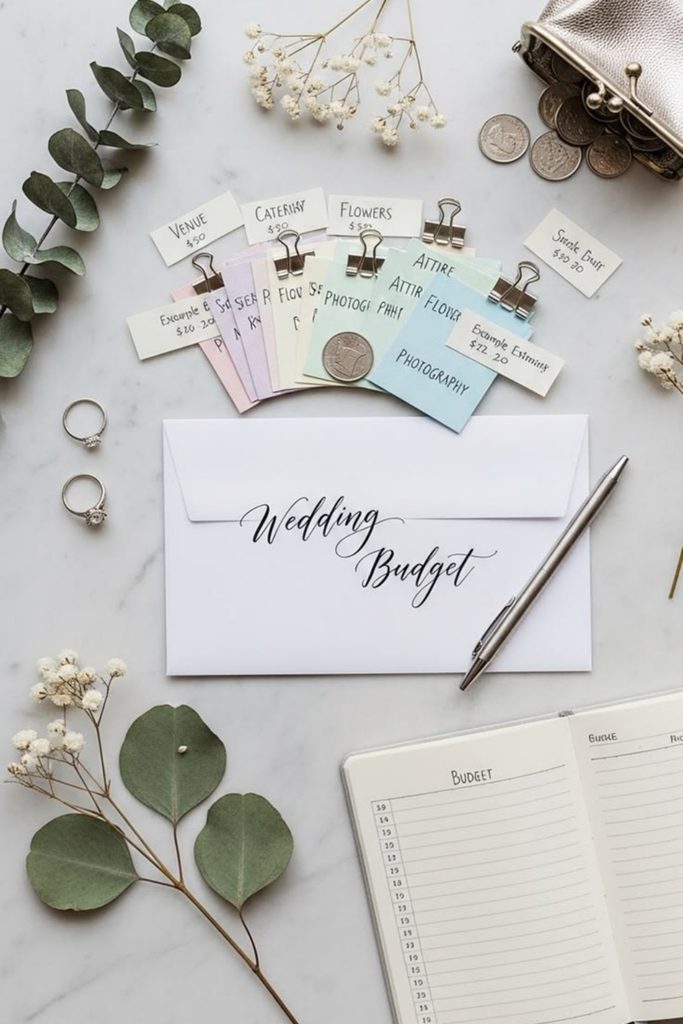
Before booking a venue or saving decoration ideas on Pinterest, decide how much you can realistically spend. It is easy to get carried away when every wedding detail looks beautiful, but a budget helps you separate what you need from what you simply like.
Start by calculating how much money you’ve available for the wedding. Consider your savings, family members’ contributions, and any other confirmed funding sources. Avoid building your plans around money someone has only promised to give you.
Next, divide your budget into major expenses, such as:
- Venue and ceremony arrangements
- Wedding outfits and accessories
- Food and drinks
- Photography and videography
- Decorations and flowers
- Cake and souvenirs
- Transportation and other logistics
You don’t have to spend the same amount in every category. If photography matters, allocate more money to it and reduce spending on souvenirs or decorations.
For example, imagine you have a fixed budget and find out the venue you love would take up almost half of it. Instead of borrowing money to cover the remaining expenses, consider a smaller venue or a shorter celebration.
A realistic budget gives you confidence to make decisions. It also helps you plan a Valentine’s wedding on a budget without sacrificing what matters most as a couple.
2. Choose an Affordable Wedding Venue
Your venue can significantly affect wedding cost. Popular event centres may charge more for Valentine’s Day because it is a sought-after date for romantic celebrations.
Instead of booking the first attractive venue you find, compare several options. Consider a modest event hall, a family property that can comfortably accommodate guests, a community venue, or a smaller reception space.
Before choosing, ask what the rental fee includes. Some venues provide chairs, tables, lighting, and basic decoration, while others charge separately for each service. A cheaper venue may become expensive when you add extra costs.
Also think carefully about your guest list. A large hall may look impressive, but there is little reason to pay for a space designed for 300 people if you are inviting only 60 guests.
A smaller venue can feel warm and intimate when arranged thoughtfully. Use simple table decorations, attractive fabrics, and a carefully selected colour palette to create the atmosphere you want.
If you are considering an outdoor celebration, have a backup plan for rain, heat, or other weather changes. Saving money on a venue should not mean leaving your guests uncomfortable.
3. Keep Your Guest List Manageable
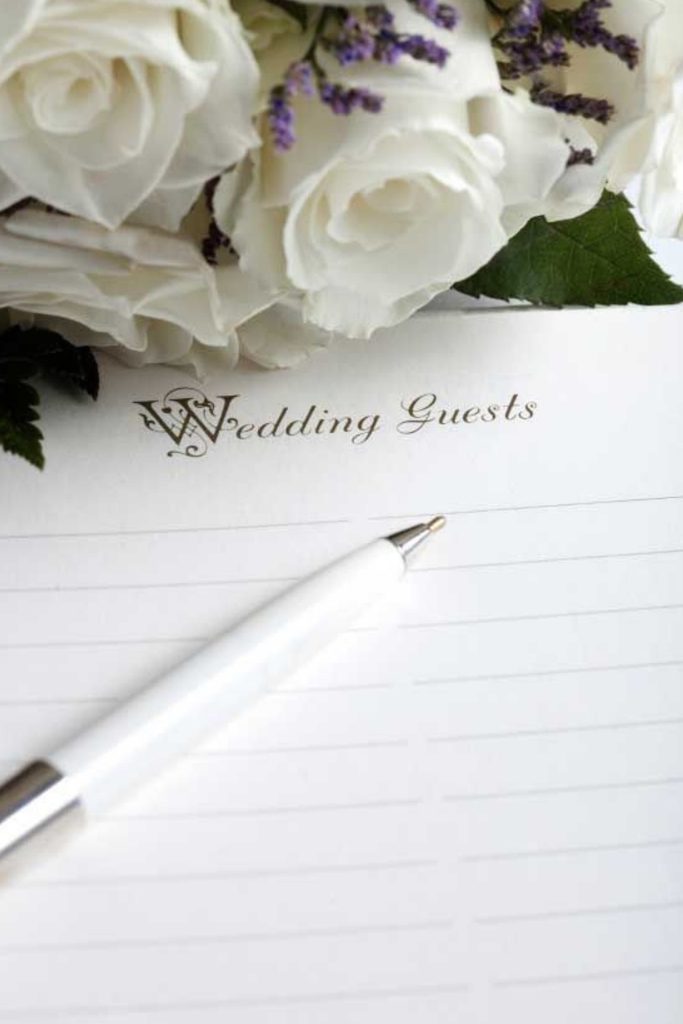
One of the simplest ways to control wedding expenses is to invite the people who genuinely matter to you.
Every additional guest may increase the cost of food, drinks, seating, souvenirs, and venue space. Inviting everyone you know, not to offend them, could place pressure on your finances.
Start by creating a list of the people you truly like to celebrate with. Include close family members, friends, and other important people in your lives. If necessary, divide the list into essential guests and those you would invite only if the budget allows.
You and your partner should agree on the guest list early. This prevents a situation where one person invites several additional guests after the food and venue arrangements have been finalised.
You can also consider having a small ceremony followed by a simple reception. A celebration doesn’t become less meaningful simply because fewer people attend.
Remember, your wedding is the beginning of your marriage, not a competition to see who can invite the most people. A manageable guest list enables you to spend more time with your guests.
4. Choose Affordable Valentine’s Wedding Decorations
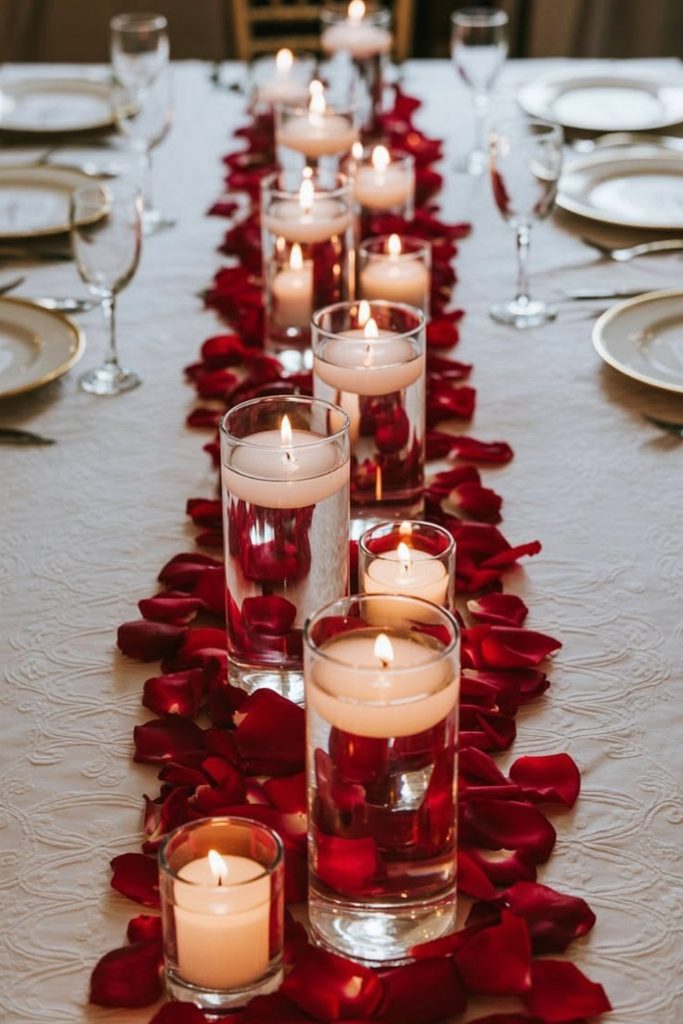
Valentine’s Day gives you a natural theme to work with. Use romantic colours and a few carefully chosen decorations rather than trying to transform the entire venue.
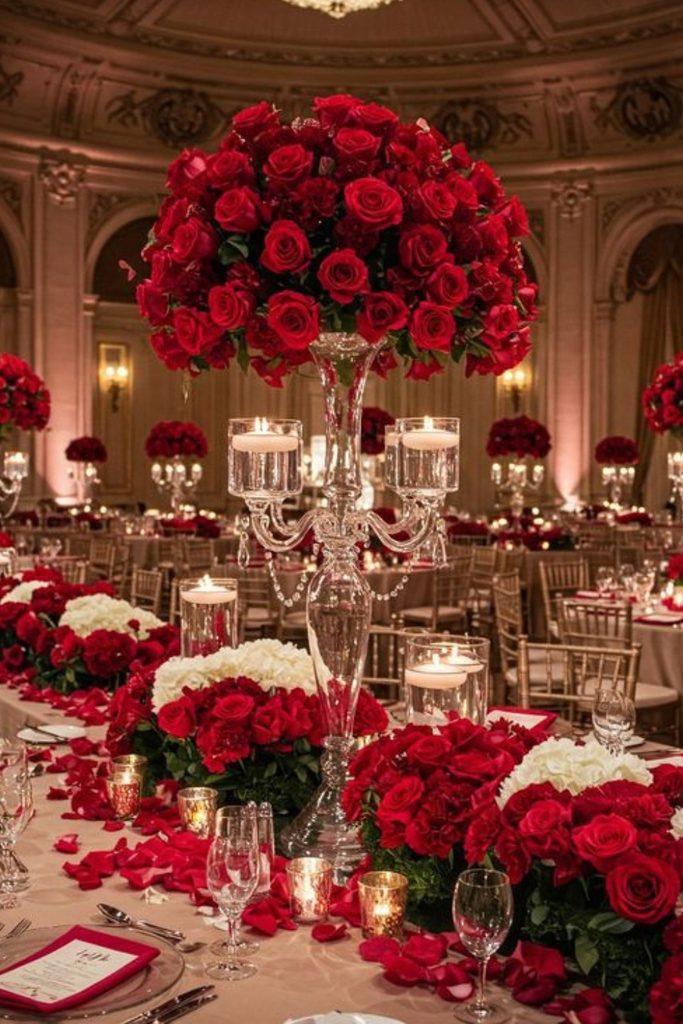
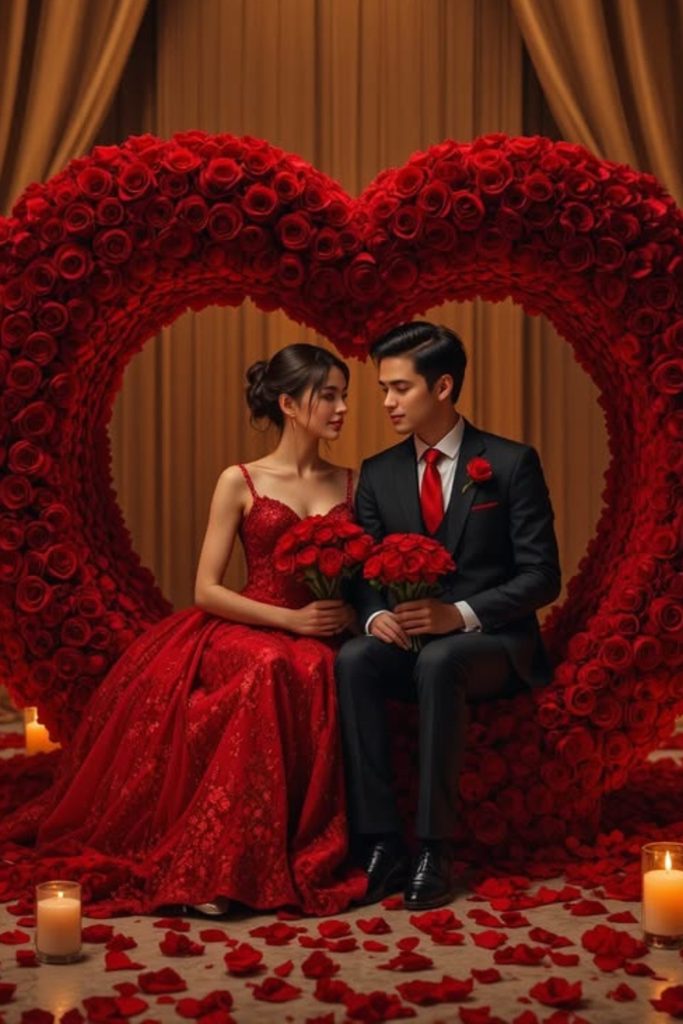
Red, white, blush pink, burgundy, and cream are popular choices. However, you do not need to use every romantic colour at once. Choose two or three complementary shades and use them consistently across your tables, backdrop, flowers, and other decorations.
For example, white tablecloths with red accents can create an elegant look without requiring elaborate arrangements. A few artificial flowers, candles where permitted, ribbons, and simple centrepieces may be enough to make the venue attractive.
Focus your decoration budget on visible areas, especially the entrance, the couple’s seating area, and the photo backdrop. These spaces can create a strong visual impression without requiring decorations in every corner.
If you love an elaborate floral setup, consider using flowers selectively instead of covering the entire venue. You can also compare fresh flowers with quality artificial alternatives, depending on your preferences and local prices.
For more inspiration, read Gazebo Wedding Decoration Ideas Couples Love. You may find ideas you can adapt to your own venue and budget.
The goal is not to copy an expensive wedding setup exactly. It’s identifying what makes it attractive and recreating that feeling with materials you can afford.
How to Plan a Valentine Wedding on a Budget
5. Be Strategic About Wedding Outfits
Wedding outfits can take up a large part of your budget, especially if you’re adding shoes, jewellery, accessories, and alterations for the wedding party.
Before shopping, decide how much you can spend on your complete look. This will help you avoid choosing an outfit that uses up money needed for other important expenses.
Compare ready-made outfits, affordable designers, rentals where available, and suitable outfits you already own. If you prefer a custom-made outfit, discuss the fabric, design, labour cost, and delivery date with your tailor before paying a deposit.
A simple outfit can look beautiful when it fits well and is styled thoughtfully. You don’t necessarily need heavy embellishments, expensive lace, or multiple outfit changes to look lovely on your wedding day.
Accessories can also help you achieve the look you want without overspending. A carefully chosen pair of shoes, earrings, veil, or headpiece can complement a simple outfit.
If you are planning a coordinated wedding party, choose colours and styles that people can reasonably afford. Avoid making expensive outfit requirements a burden for your bridesmaids, groomsmen, or family members.
Most importantly, prioritise comfort. You will probably spend several hours greeting guests, taking photographs, and participating in the ceremony and reception. Your outfit should allow you to enjoy the day.
6. Plan Affordable Wedding Food and Drinks

Food is an expense that can quickly increase as your guest list grows. The best way to manage it is to decide what you will serve, how much you need, and which catering option suits your budget.
Start with a menu that reflects your guests’ preferences and the type of celebration you are planning. You don’t need to serve a large variety of dishes to provide a satisfying meal.
For a smaller reception, you might choose one main meal with a few suitable accompaniments. You can also compare the cost of hiring a caterer with preparing some dishes through trusted family members or a reliable local food vendor.
However, don’t choose a cheaper option without considering practical details like food preparation, storage, serving equipment, and guest list.
Ask caterers for a clear quote based on your guest count. Confirm whether the price includes serving staff, plates, cutlery, delivery, and other charges. It is better to discover these costs during planning than on the wedding day.
For an evening reception, 15 Mouthwatering Evening Wedding Food Ideas can help you brainstorm dishes that suit your celebration. Select the ideas that fit your budget instead of trying to include everything.
You should also plan drinks carefully. Provide drinking water and reasonable beverages instead of several options guests may not need.
Finally, confirm your expected guest count before placing your order. Ordering far more food than necessary wastes money, while ordering too little may leave guests uncomfortable.
7. Keep Wedding Photography Within Budget
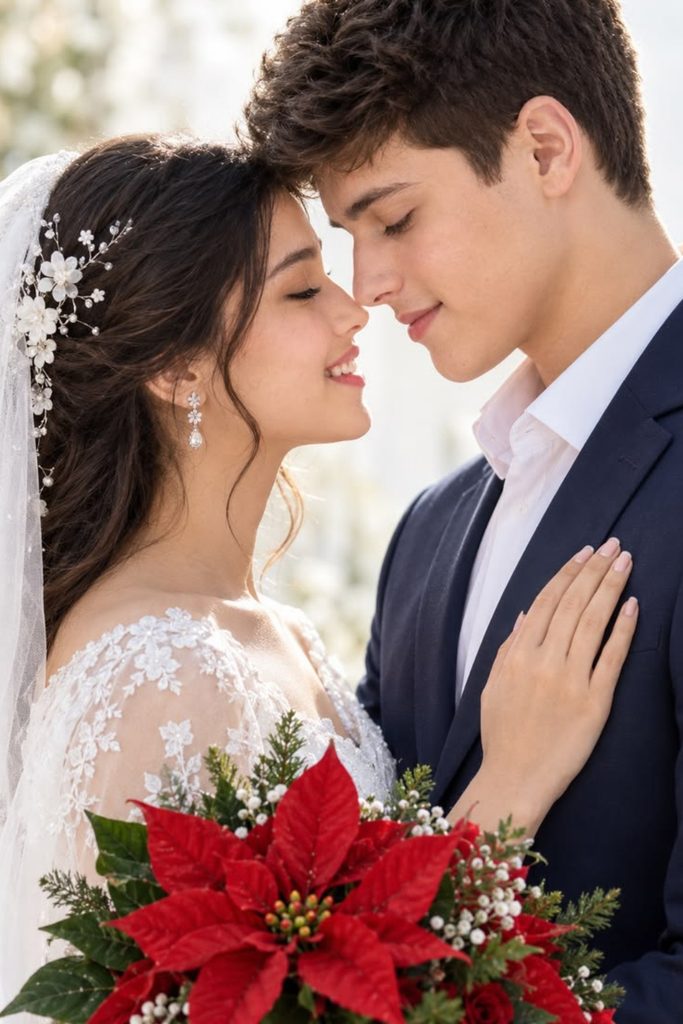
Photographs help you remember the people, emotions, and moments that made your wedding special. Even so, you can preserve those memories without automatically choosing the most expensive photography package.
First, decide what you need. Do you want ceremony coverage, or preparation photographs, couple portraits, family pictures, and reception highlights?
Compare photographers based on their portfolios, experience, deliverables, and prices. Ask how many hours are included, how the final photographs will be delivered, and if editing is part of the package.
A lower-priced photographer may suit your needs, but review their previous work before deciding. You want someone who can consistently capture moments.
You can also prepare a short list of photographs you would like taken. Include couple portraits, family photographs, pictures with close friends, and key ceremony moments. This helps you make good use of the photographer’s time.
For additional inspiration, read 25 Wedding Photography Pictures Pose Guide for Newlyweds. Save a few poses you like and discuss them with your photographer before the wedding.
If your budget is tight, consider hiring a photographer for the most important parts of the celebration rather than paying for extensive coverage you may not need.
Photography should fit your budget, but it is worth making an informed choice. Your wedding day will pass quickly, and thoughtful planning can help you preserve its most meaningful moments.
8. Make Your Wedding Cake and Souvenirs Simple
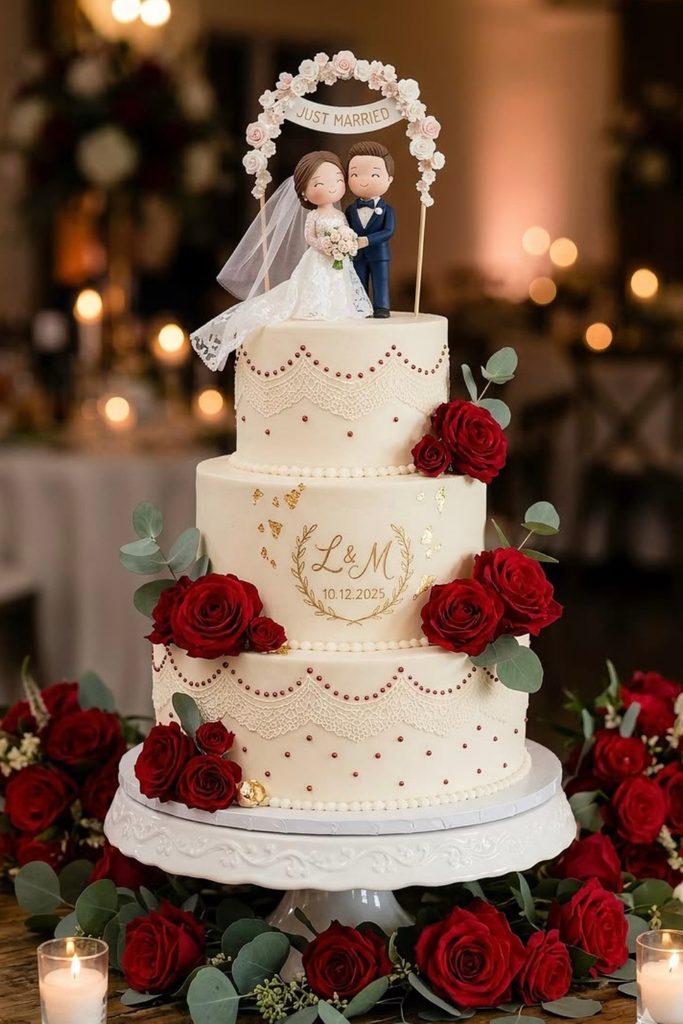
A large wedding cake may look impressive, but its size does not determine how meaningful your celebration will be. Choose a cake that suits your guest count and budget.
You could order a modest cake with a clean design, select fewer decorative details, or compare prices from different bakers. Before paying, confirm the size, flavour, decoration, delivery arrangements, and total cost.
Souvenirs require similar consideration. It is natural to want guests to leave with something that reminds them of your wedding, but you don’t have to purchase expensive gifts for everyone.
If you want to provide souvenirs, choose practical items that fit your budget. Compare the cost per item, packaging, delivery, and minimum order quantity before deciding.
Get inspiration in the 30 Unique Wedding Souvenirs for Guests. Use ideas as a starting point, then choose what works for your guest list and finances.
If souvenirs would stretch your budget too far, consider reducing other optional expenses first. If they are still unaffordable, it is reasonable to keep the celebration simple rather than borrowing money to give every guest a gift.
The goal is to make thoughtful choices, and not to spend money to meet expectations that may not even matter to your guests.
9. Send Invitations Early and Manage Your Wedding Programme

Planning early gives you more time to compare prices, negotiate where appropriate, and avoid last-minute expenses.
Once you have confirmed your date, venue, and guest list, send invitations with enough notice for people to make arrangements. Digital invitations may be a practical alternative to printed cards, particularly for guests who communicate comfortably online.
If you prefer printed invitations, keep the design simple and order only the number you need. Check the spelling of names, date, time, and venue before printing.
Next, create a realistic wedding programme. List major activities, assign approximate times, and identify the people responsible for each task. Share the programme with the relevant vendors and helpers.
For example, you should know when the ceremony will begin, when photographs will be taken, when food will be served, and when the reception is expected to end.
A clear programme helps reduce confusion and makes it easier for everyone to understand their responsibilities. It may also help you avoid additional charges from vendors who have to stay longer than agreed.
If you are working with a planner or coordinating the wedding yourself, confirm arrangements with each vendor before the day. Keep important contact details in one place so you can find them quickly.
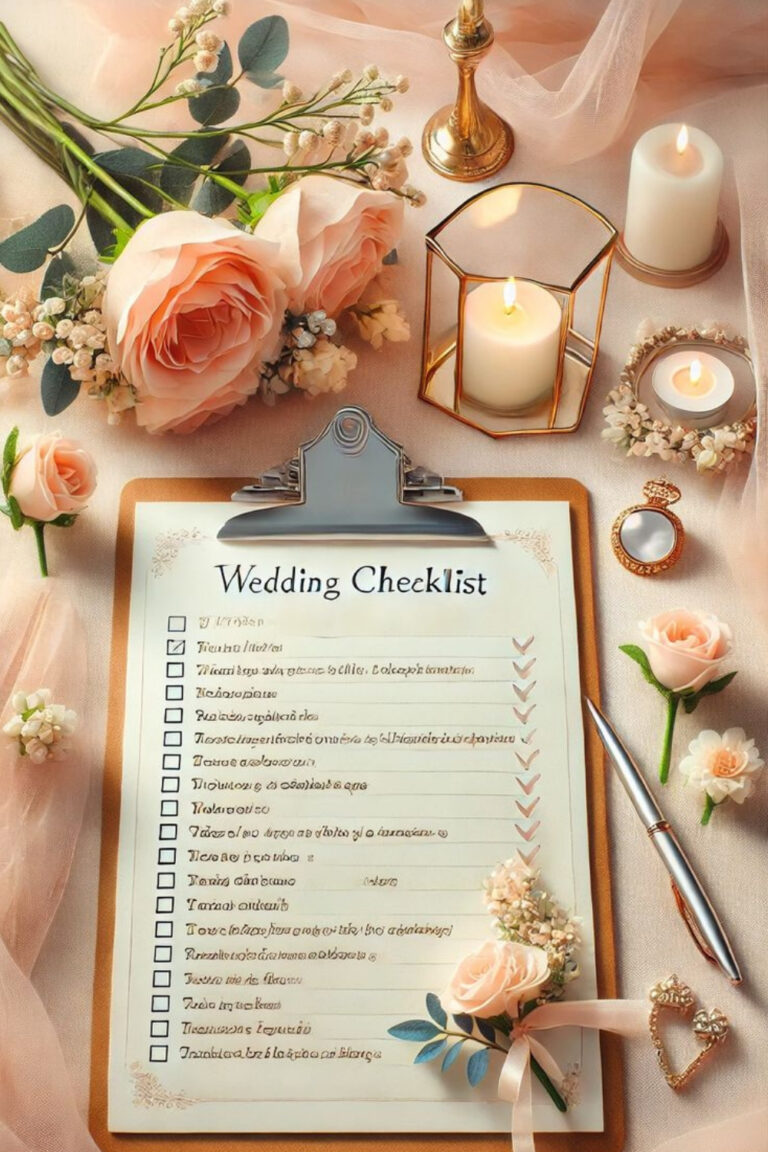
10. Use a Wedding Planning Tick List to Stay Organised
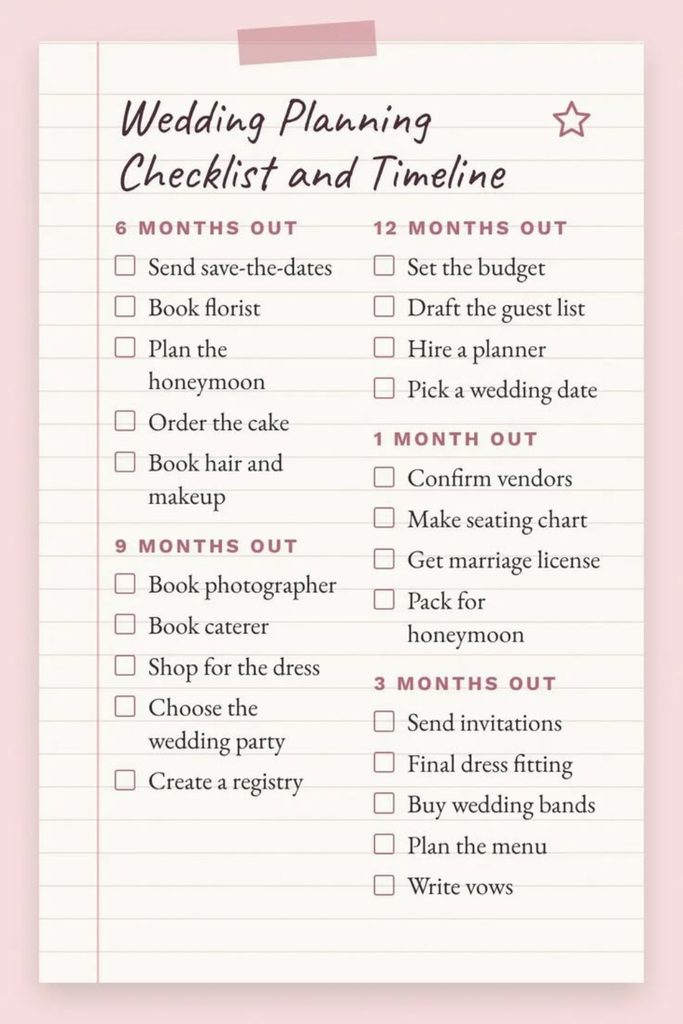
When you are planning a wedding on a limited budget, it is easy to forget small but important details. You might remember the decorations but overlook transportation, ceremony requirements, or vendors’ balance.
A wedding checklist helps you track completed tasks, what still needs attention, and what still needs a budget.
Create a tasks list and assign deadlines. Mark each task as completed only after you have confirmed the necessary arrangements. Keep receipts, payment records, contracts, and vendor contacts together.
Also confirm your ceremony details with the relevant religious or civil authority. Requirements can vary, so check what documents, witnesses, fees, or other arrangements apply to your situation.
A few days before the wedding, review the full list with your partner or a trusted helper. Confirm transportation, outfits, rings where applicable, venue access, food delivery, and vendors’ arrival times.
For a more detailed planning guide, read Important Wedding Planning Tick List You Should Check Out. Use it to organise your tasks and identify details you may have missed.
The more organised you are, the less likely you are to make purchases or pay unexpected fees because of forgotten details.
Frequently Asked Questions On How to Plan a Valentine Wedding on a Budget
1. Can I plan a beautiful Valentine’s wedding with a small budget?
Yes. Start with a realistic spending limit, choose a venue that suits your guest count, and prioritise the details that matter most to you. Simple decorations, a manageable menu, and a carefully planned programme can help you create a memorable celebration without unnecessary expenses.
2. Is Valentine’s Day more expensive for weddings?
It can be. Some venues, florists, restaurants, and other vendors may experience greater demand around February 14. Prices and availability vary by location and provider, so compare quotes early and confirm whether Valentine’s Day affects the cost.
3. How can I decorate my wedding venue cheaply for Valentine’s Day?
Choose two or three colours, decorate the most visible areas first, and use a few attractive centrepieces rather than decorating every surface. Compare fresh and artificial flowers, reuse suitable items where possible, and ask your venue what decorations are already included in the rental price.
4. What should I prioritise when planning a wedding on a budget?
Priorities depend on your circumstances, but start with essential ceremony arrangements, a suitable venue, food, outfits, and any services that are important to you. Set aside money for necessary logistics and avoid spending heavily on optional details before the essentials.
5. How early should I start planning a Valentine’s wedding?
Start as early as your circumstances allow, especially if you want a particular venue or vendor on February 14. Planning early gives you more time to compare prices, save money, confirm availability, and organise the details without rushing.
Final Thoughts On How to Plan a Valentine Wedding on a Budget
A Valentine’s wedding can be beautiful without being expensive. You do not need a grand venue, elaborate floral arrangements, a huge cake, or costly souvenirs to create a celebration that feels special.
The key on how to plan a Valentine wedding on a budget is to decide what matters most to you as a couple, set a realistic spending limit, and make deliberate choices throughout the planning process.
Keep your guest list manageable, compare vendor prices, use decorations thoughtfully, and organise the details early.
When you see an expensive wedding idea you love, ask yourself if you need to recreate it exactly or adapt it to your budget. Sometimes, a few carefully chosen details create a more personal celebration than an elaborate setup.
Most importantly, don’t let the pressure to impress people turn your wedding into a financial burden. Your wedding is one day, but life as a couple continues long after the flowers fade and the guests have gone home.
With thoughtful planning, patience, and a clear budget, you can celebrate Valentine’s Day in a way that reflects your love and gives you happy memories to carry into your marriage.
This post showed how to plan a Valentine wedding on a Budget.