How to Write Your Own Wedding Vows
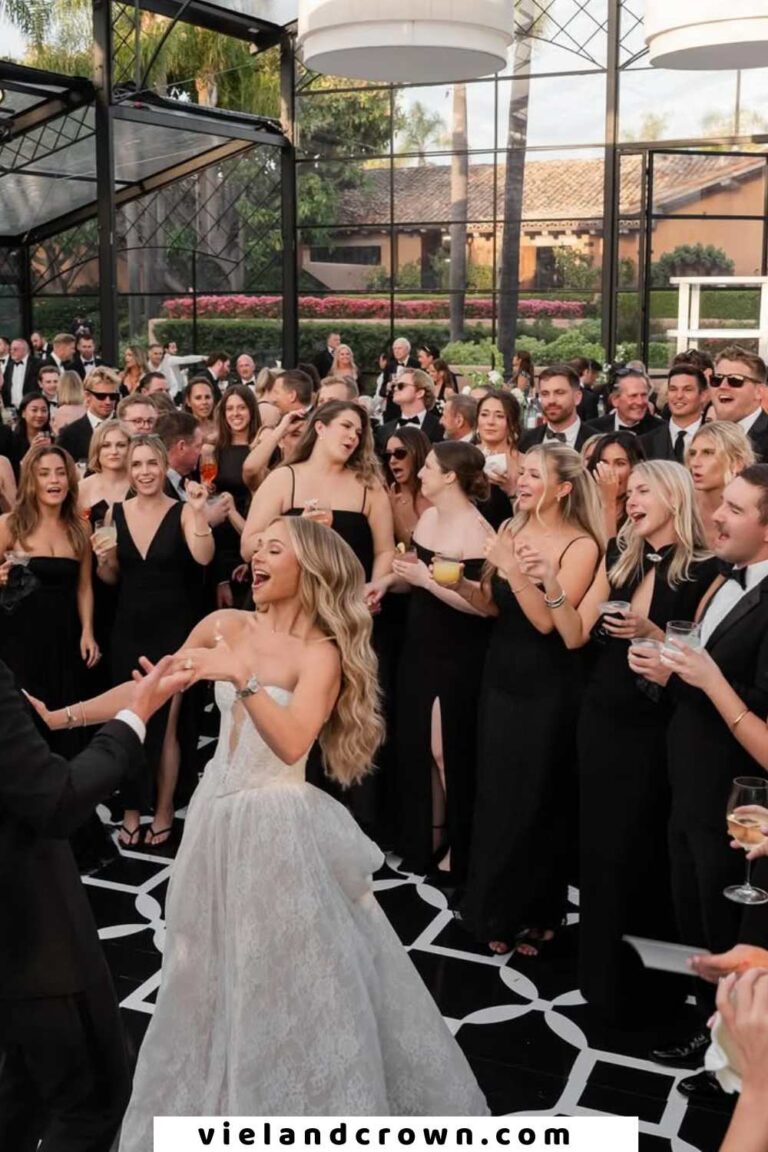
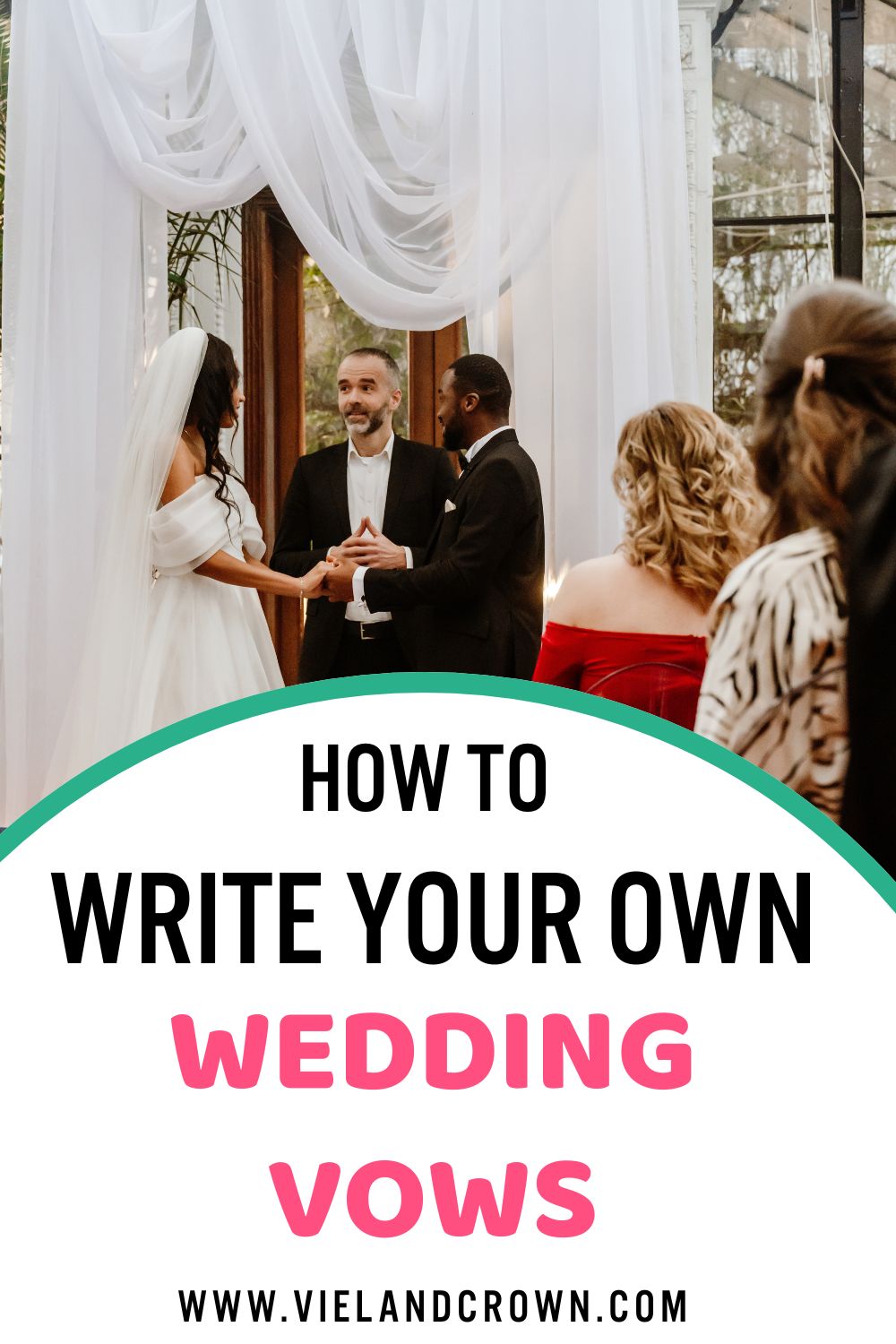
There is a moment at every wedding that makes the entire room go completely still.
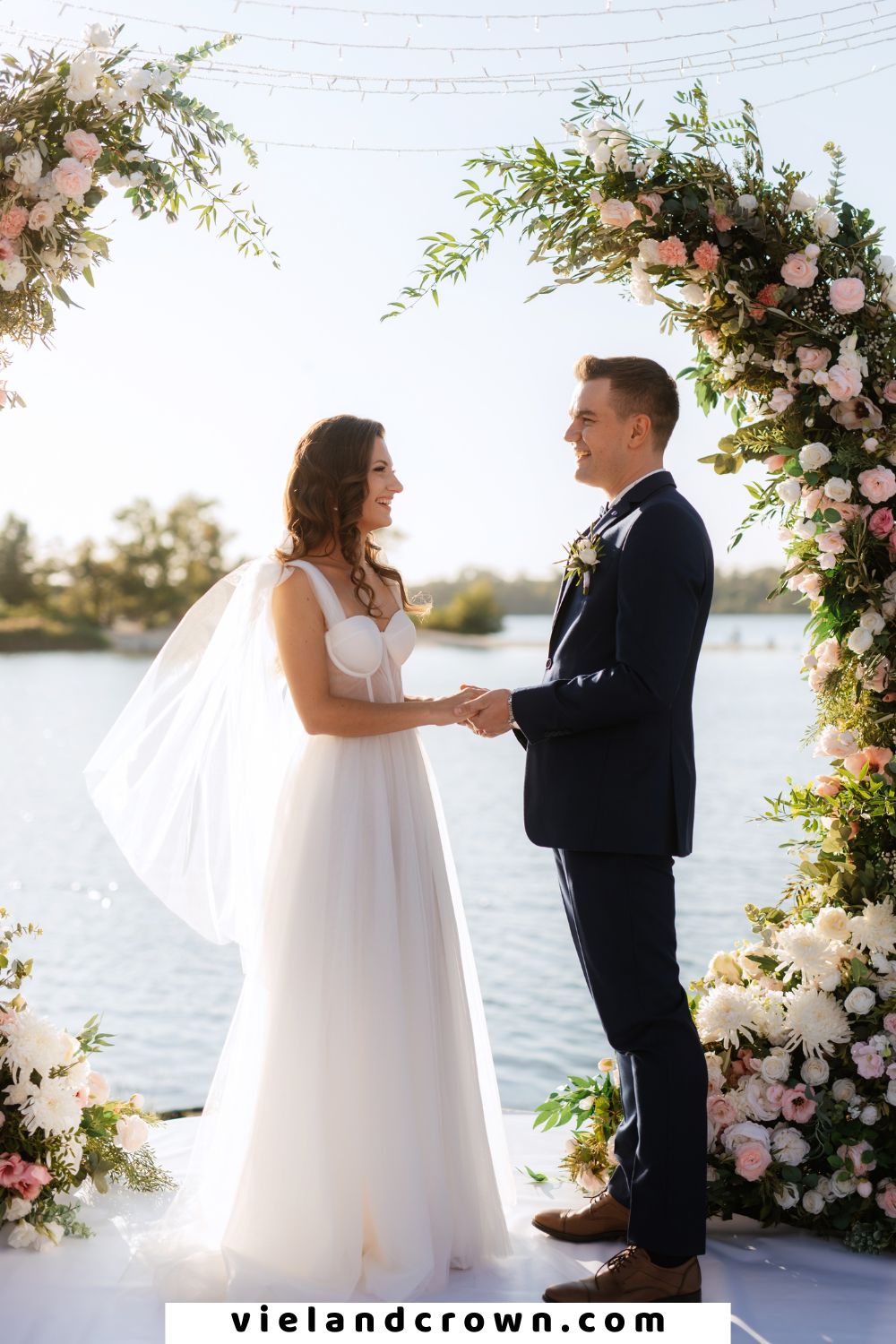
Not the entrance. Not the first dance. Not even the cake cutting. It is the moment when the couple turns to face each other, the officiant steps back, and one of them begins to speak, in their own words, from their own heart, about what this person means to them and what they are promising for the rest of their lives.
Writing your own wedding vows is one of the most meaningful things you can choose to do on your wedding day. It transforms the ceremony from a traditional script into something deeply personal , a declaration that could only ever come from you, about this specific person, in this specific love story.
But here is the part nobody tells you: as beautiful as the idea sounds, actually sitting down to write them is one of the most intimidating things many couples ever attempt. You know what you feel. You know how much you love this person. But translating that into words, the right words, that capture everything without being too long or too short, too funny or too serious, too generic or too strange — is genuinely challenging.
That is exactly what this post is for.
We are going to walk through everything you need to know about writing your own wedding vows , from where to start and how to structure them, to what to include, what to avoid, and real examples you can draw inspiration from. By the time you finish reading, you will have everything you need to write vows that are authentically, beautifully yours.
How to Write Your Own Wedding Vows
Why Writing Your Own Vows Is Worth the Effort
Before we get into the how, let us talk about the why, because if you are on the fence about whether to write your own vows or use traditional ones, this section is for you.
They are uniquely yours. Traditional vows are beautiful and timeless, and there is absolutely nothing wrong with using them. But they are the same words that millions of couples have said before you. When you write your own vows, every single word has been chosen specifically for your relationship. Nobody else in the world has said exactly what you are about to say, because nobody else has your love story.
They make the ceremony unforgettable. Ask anyone who has attended a wedding where the couple wrote their own vows, and they will tell you it was the most moving part of the entire day. Personal vows have a way of pulling every single person in the room into the intimacy of the moment. Guests laugh, cry, and feel genuinely moved, because they are witnessing something real.
They are a gift to your partner. Imagine standing at the altar and hearing the person you love most in the world describe exactly what you mean to them, in their own voice, with their own words. That is not something you forget. Ever.
They become a permanent memory. Many couples frame their vows after the wedding. Others read them on anniversaries. Others keep them tucked away and pull them out on hard days as a reminder of what they promised and why. Your vows outlive your wedding day, and that makes the effort of writing them completely worth it.
I recommend this 20 Most Forgotten Wedding Details Every Bride Needs to Know
Before You Start Writing-Important Things to Decide
1. Check With Your Officiant First
Before you write a single word, have a conversation with whoever is performing your ceremony. Some officiants have guidelines around personal vows, preferred length, whether they need to be submitted in advance, whether there are any structural requirements. Find out what those are before you invest time writing something that may need to be adjusted.
2. Decide on a Length Together
This is crucial, and it is something a lot of couples overlook. You and your partner need to agree on a target length for your vows before you each write yours separately. If one of you writes two minutes of heartfelt prose and the other writes eight minutes of an emotional novel, the imbalance will be noticeable to everyone in the room, and slightly awkward for both of you.
A good target length for personal wedding vows is between one and two minutes when spoken aloud. That translates to roughly one hundred and fifty to three hundred words on paper. It is enough space to say something meaningful without losing the room.
3. Decide on the Tone Together
Again, do this together, before you write separately. Do you want your vows to be primarily sincere and heartfelt? Mostly funny and lighthearted? A balance of both? If your partner delivers a deeply emotional, tearful declaration of love and you follow with jokes and anecdotes, or vice versa, the contrast can feel jarring rather than complementary.
That does not mean your vows need to be identical in tone. But you should be in the same general register, both leaning emotional, both leaning warm and humorous, or both finding that sweet spot in between.
4. Keep Them Private Until the Ceremony
This is personal preference, but many couples choose not to share their vows with each other before the wedding day. There is something incredibly powerful about hearing your partner’s words for the very first time at the altar, in front of everyone you love, in the most heightened emotional moment of your lives together. If you can manage the nerves of not knowing what they are going to say, keeping them private makes for a deeply moving ceremonial moment.
I recommend this: How to Plan a Wedding on a Tight Budget (Step by Step)
How to Write Your Wedding Vows Step by Step
1. Start With Reflection, Not Writing
The biggest mistake people make when sitting down to write their vows is opening a blank document and expecting words to flow immediately. They rarely do, and the blankness of the page becomes paralyzing.
Instead, start with reflection. Before you write anything, spend time answering these questions in your head or in rough notes. Do not think about how it sounds. Just think honestly.
– When did I know this was the person I wanted to marry?
– What is the one quality about them that I love and admire most?
– What has our relationship taught me about myself?
– What is a specific moment or memory that perfectly captures who we are together?
– What does our ordinary, everyday life together look like, and why does it mean so much to me?
– What am I genuinely committing to when I stand at this altar?
– What do I want them to know, in front of everyone we love, that perhaps I have never said out loud?
Your answers to these questions are the raw material of your vows. Everything you write comes from here.
2. Choose a Structure and Follow It
Good wedding vows tend to follow a natural three-part structure. You do not need to be rigid about it, but having this framework in mind will prevent your vows from feeling either scattered or incomplete.
Part One – The Past. Start with your story. Acknowledge the journey that brought you to this moment. A specific memory, the moment you knew, a quality in them that first captured your heart. This grounds your vows in something real and personal and instantly connects your guests to your relationship.
Part Two – The Present. Move into who they are to you right now, today, at this altar, in this season of your life. What does loving them feel like? What does your life look like because they are in it? This is the emotional heart of your vows.
Part Three- The Promises. End with your commitments. These are the actual vows, the things you are choosing to promise in front of your community. Be specific. Be genuine. These should feel like promises you actually intend to keep, not borrowed language from a template.
3. Write a Rough Draft Without Editing
Once you have your reflections and your structure, write a first draft without stopping to edit. Do not pause to find the perfect word. Do not reread and revise as you go. Just write, freely, honestly, imperfectly, and get everything out onto the page.
You can fix the words later. What you cannot manufacture is genuine feeling, and your first draft is where that tends to live. Write it all out, even if it feels clumsy or overly long or not quite right. You will refine it in the next step.
4. Refine, Read Aloud, and Time Yourself
Once your draft is down, step away from it for at least a day. Come back with fresh eyes and read it through. Then read it aloud, this step is non-negotiable.
Vows are spoken, not read. Something that looks beautiful on paper can feel awkward when spoken, and something that reads simply on the page can land with enormous emotional weight when said aloud. You need to hear your own vows before you finalize them.
As you read aloud, notice where you stumble over the wording. Notice where sentences feel too long or too complicated. Notice where the emotion naturally rises, and make sure those moments are not buried. Time yourself and adjust the length if needed.
Practice until the words feel genuinely comfortable in your mouth. You do not need to memorize them, you will have them written down, but you should know them well enough that you are not reading robotically.
I recommend this : How to Choose the Perfect Wedding Venue on a Budget
What to Include in Your Wedding Vows
1. A Specific Memory or Moment
Nothing makes vows feel more personal than a specific, real detail from your relationship. Not “I knew you were the one”, but “when” and “where” and “what happened” in the moment you knew. Not “you make me laugh”, but the specific thing they do that makes you laugh until you cannot breathe.
Specificity is the difference between vows that move people and vows that sound like they could have been written for anyone. The more specific you are, the more universal the feeling becomes , because everyone in the room recognises genuine love when they see it.
2. Who They Are to You
Describe your partner. Not their appearance, their character. The qualities that you fell in love with. The things about them that you genuinely admire. The way they show up for you. The version of yourself that exists because of them.
This is often the part that makes your partner cry at the altar, hearing themselves described through your eyes, with love and specificity and complete honesty.
3. Your Promises
These are the non-negotiable core of every set of vows. Make your promises personal and genuine. Think about what love actually looks like in the day-to-day reality of your relationship , and make promises that reflect that reality.
Rather than broad, abstract commitments, try to be specific. Not just “I promise to love you”, but how you will love them. Not just “I will support you”, but in what ways, through what kinds of moments.
Your promises should feel like something you have genuinely thought about and chosen to commit to, not borrowed language, but real intentions.
4. A Touch of Humor (Optional but Wonderful)
If humor is part of who you are as a couple, if laughter is genuinely one of the languages of your relationship, then a touch of lightness in your vows can be beautiful. It breaks the tension of the moment, gets the room laughing, and then makes the return to sincerity feel even more powerful by contrast.
The key is to make sure the humor feels natural and true to your relationship, not like a joke inserted to get a reaction. If it would make your partner laugh in a private moment, it will work in public.
I recommend this : The Bridal Makeup Looks for Dark Skin Brides
What to Avoid in Your Wedding Vows
1. Inside Jokes That Exclude the Room
A small touch of personal humor that only you two understand is charming. A full paragraph of inside references that leave every guest looking at each other in confusion is not. Remember that your vows are being witnessed by a room full of people, keep enough of it accessible that they can follow along and feel included in the moment.
2. Promises You Cannot Realistically Keep
Avoid dramatic, sweeping promises that sound beautiful but are genuinely impossible to honor. “I promise to never make you cry”, you will. “I promise every day will be perfect”, it will not. Empty promises might sound romantic in the moment but they create unrealistic expectations for the marriage itself. Make promises you actually intend to keep.
3. Speaking About Anyone Other Than Your Partner
Your vows are addressed to one person, the person standing in front of you. This is not the place to thank parents, acknowledge guests, or mention the wedding planning journey. Keep the full focus of your words on your partner. There will be other moments in the day for everything else.
4. Going Over Time
Respect your guests and your ceremony timeline. Vows that stretch past three minutes begin to test the room’s attention, no matter how beautifully written. Aim for one to two minutes, practise with a timer, and edit ruthlessly if you are running long. The most powerful vows are often the most focused ones.
I recommend this : What to Wear as a Wedding Guest
I recommend this: Things Nobody Tells You About Planning a Wedding
How to Write Your Own Wedding Vows
Wedding Vow Examples to Inspire You
These examples are here to inspire you, not to be copied word for word. Use them as a starting point and let your own voice and your own story take over.
1. Heartfelt and Sincere
“From the very first moment I knew you were different , not in the grand, dramatic way that stories describe, but in the quiet, certain way that only the truest things feel. You are my home. You are the person I want to call first when something happens, good or bad, and you are the reason ordinary Tuesdays feel like something worth celebrating.”
“Today, in front of everyone we love, I promise to choose you. Not just on the beautiful days, but on the hard ones. I promise to listen when you need to be heard, to hold you when words are not enough, and to remind you of who you are on the days when you forget. I promise to love you, not perfectly, because I am human, but honestly, completely, and for the rest of my life.”
2. Warm, Personal, With a Touch of Humor
“I did not expect you. I had a very specific plan for my life, and you were not in it, and I have never been more grateful to be wrong about anything.”
“You make me better. You make me braver. You also make me slightly unreasonable amounts of food at midnight, and somehow that feels like one of the most loving things anyone has ever done for me.”
“I promise to be your partner in every sense of the word, in the adventures, in the arguments we will inevitably have and resolve together, in the big decisions and the small ones. I promise to make you laugh, to take care of you when you are sick, to be honest with you even when it is uncomfortable, and to never stop being grateful that out of everyone in the world, you chose me. I love you. Today and always.”
3. Short, Focused, and Deeply Emotional
“You are the great love of my life. I knew it the moment I saw you, and every single day since has only confirmed what I already knew.”
“I do not have perfect words for what you mean to me, I am not sure perfect words exist. What I have is this promise: I will show up for you. Every day, in every season, through everything life brings us, I will show up. I will love you with everything I have. And I will spend the rest of my life making sure you never doubt for a single moment that you are the best decision I have ever made.
4. For the Couple Who Values Partnership and Friendship
“You are my best friend. And I do not say that as a cliche, I say it because it is the truest description I have. Before you were my partner, you were the person I wanted to talk to about everything. You still are.”
“I promise to be your safe place, the person you can always come home to, no matter what the world outside looks like. I promise to celebrate your wins as loudly as my own, to sit with you in your struggles without trying to fix everything, and to always, always be on your team.”
“You make life better just by being in it. I love you more than I will ever be able to fully say, but I am going to spend the rest of my life trying.”
How to Write Your Own Wedding Vows
Final Encouragement Before You Start Writing
If you are feeling nervous about this, I want to leave you with one final thought.
Your vows do not need to be literary masterpieces. They do not need to sound like poetry or quote philosophers or make every person in the room weep simultaneously. They need to sound like “you” genuine, honest, and full of love for the specific person standing in front of you.
The most beautiful vows ever spoken at a wedding were not beautiful because they were perfectly written. They were beautiful because they were real.
Start with reflection. Write from the heart. Read them aloud. Practice until they feel comfortable. And then stand at that altar and say them, knowing that the imperfect, personal, specific words you chose are worth so much more than anything borrowed or generic could ever be.
Your love story is worth telling in your own voice. Trust yourself to tell it.
This post showed you How to Write Your Own Wedding Vows.