The Do’s and Don’ts of Black Tie Attire
Let’s talk about The Do’s and Don’ts of Black Tie Attire.
So, You receive an invitation.
In the bottom right corner, in elegant italics, it says: Black Tie.
And just like that, a perfectly exciting event becomes a source of low-grade anxiety. Because black tie sounds simple, formal, dress up, look elegant, but the moment you start trying to execute it, you realize you are not entirely sure what it actually means in practice.
Do you have to wear black? Can you wear a bold color? Is a very fancy cocktail dress close enough? What about a jumpsuit? What counts as too much and what counts as not enough?
Why does two words on an invitation create this much confusion?
Because black tie is one of those dress codes that everyone has heard of and very few people actually understand. The rules exist. They are just not written anywhere obvious. And the penalty for getting it wrong is walking into a room full of people who are dressed correctly and immediately knowing, from the way the room feels, that you are not one of them.
That feeling is entirely avoidable.
This post is going to walk you through The Do’s and Don’ts of Black Tie Attire for women, for men, and for anyone navigating this dress code for the first time or the fifth time. Clear, direct, and completely practical.
No more guessing. No more anxiety in the dressing room. Just the information you need to walk into your next black tie event looking exactly the way you should.
What Black Tie Actually Means And Why It Matters

Photo Credit: Jerolynmartha
The Definition Nobody Actually Gives You
Black tie is the second most formal dress code in existence, sitting just below white tie, which is reserved for state dinners and royal events. It originated in the nineteenth century as a slightly more relaxed alternative to white tie, and it has been the standard for formal evening events ever since.
When an invitation says black tie, it is communicating something specific. It is telling you that this is a formal evening event. That the couple or host has put significant effort into creating an elevated, elegant atmosphere. And that they are asking you, respectfully, to match that energy with your appearance.
Black tie is not a suggestion. It is a request from your host.
Showing up underdressed to a black tie event is the equivalent of showing up to a carefully prepared dinner party in your gym clothes. Technically you are there. But you have not honored the occasion.
Black Tie vs Black Tie Optional vs Formal What Is the Difference?
These three dress codes are often confused, and they are genuinely different.
Black tie means formal evening wear is expected. Floor-length gown or very elevated cocktail dress for women. Tuxedo for men. This is the standard.
Black tie optional means the host is giving you permission to dress formally without requiring it. The full black tie look is always appropriate. A very elevated cocktail look or an elegant midi dress also works. This dress code gives you flexibility, not permission to dress casually.
Formal is slightly more ambiguous but generally sits just below black tie. Think cocktail attire on the more elevated end, a beautifully fitted knee-to-midi length dress, tailored formal separates, or an elegant jumpsuit.
“When in doubt, always dress up rather than down. Nobody has ever regretted being the most elegant person in the room.”
The Do’s and Don’ts of Black Tie Attire
Black Tie Do’s and Don’ts for Women
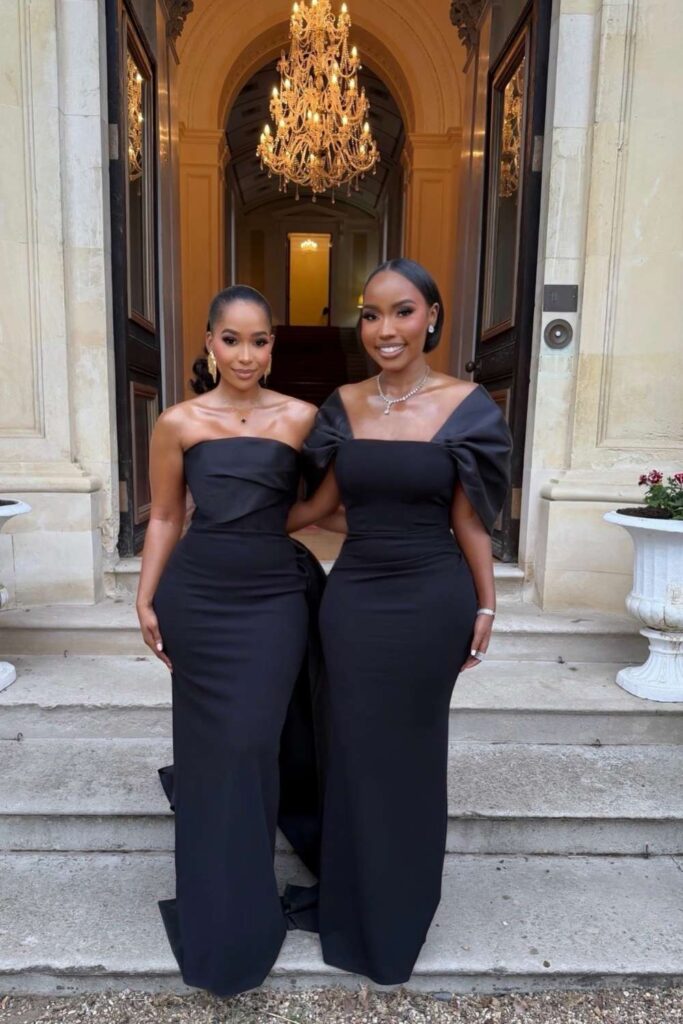
Photo Credit: Jerolynemartha
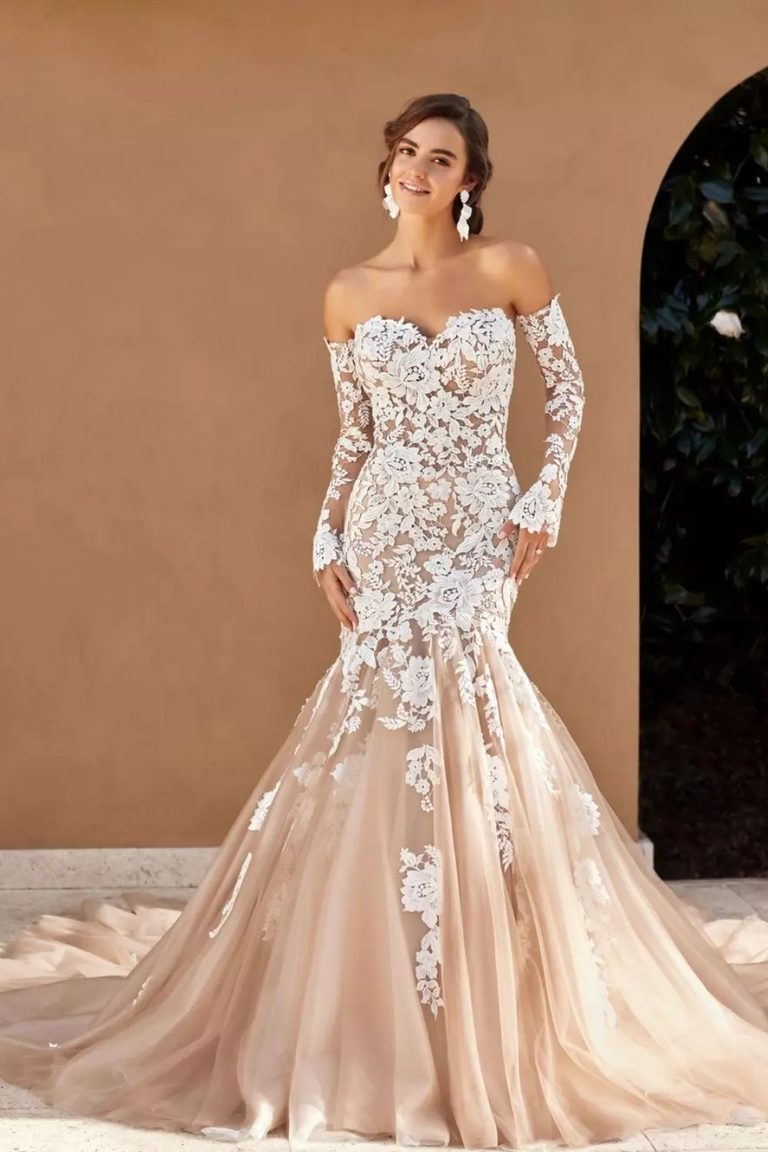
1. DO – Wear a Floor-Length Gown
This is the most classic, most reliable, and most undeniably correct choice for a black tie event. A floor-length gown, well-fitted, in an elevated fabric, is never wrong.
The beauty of a floor-length gown is in its range. It can be dramatic and sweeping or sleek and minimal. It can be strapless, one-shouldered, long-sleeved, or backless. It can be heavily embellished or completely simple. As long as it is floor-length and in a fabric that reads as formal, it works.
Fabrics that work: Silk, satin, chiffon, crepe, velvet, taffeta, organza, and lace all read as appropriately formal for black tie. These fabrics have weight, drape, and a visual quality that signals occasion.
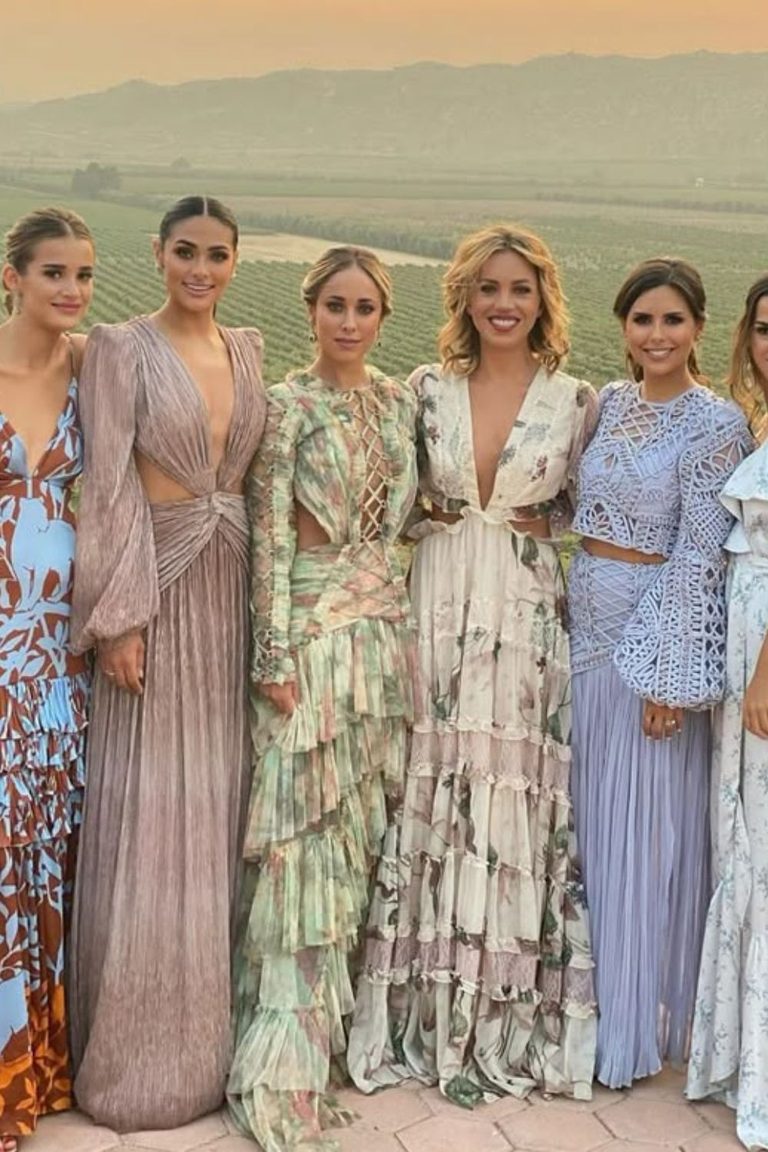
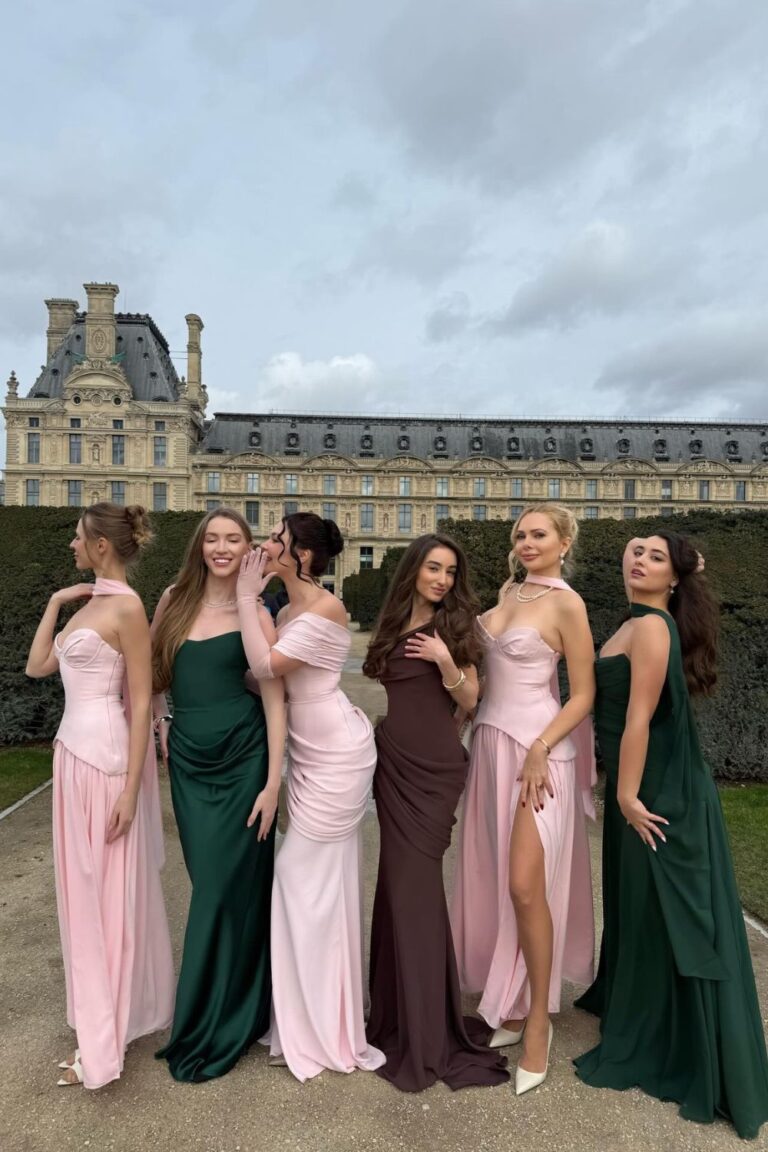
Colors that work: Almost everything except white, ivory, or cream, which belongs to the bride. Jewel tones like emerald, sapphire, deep ruby, and rich amethyst are perennial black tie favorites. Deep neutrals like black, navy, champagne, and blush are equally appropriate. And bold, unexpected colors, burnt orange, cobalt, forest green, hot pink, can be absolutely stunning when executed correctly.
“A floor-length gown at a black tie event is never too much. It is exactly enough.”
Also read : What to Wear as a Wedding Guest
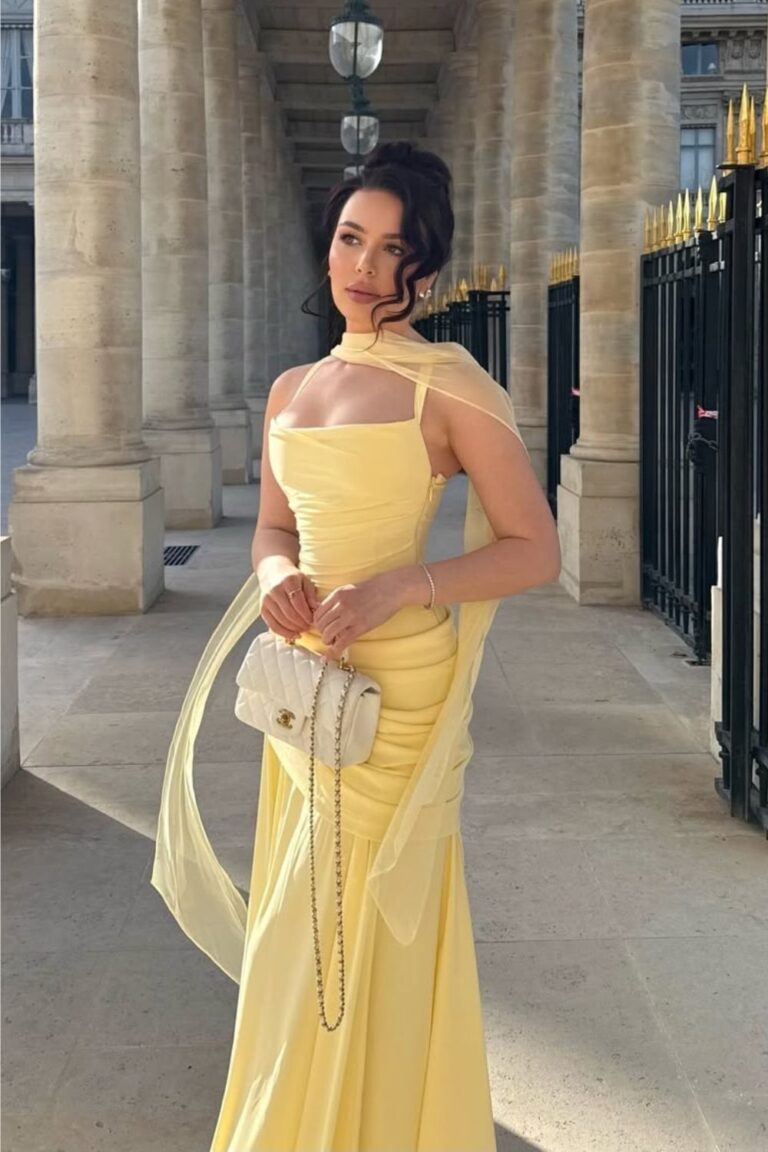
2. DO – Consider a Very Elevated Cocktail Dress or Midi

Photo Credit: Helen_thuuu
If a floor-length gown is not your preference, or if the event feels like it sits at the more relaxed end of the black tie spectrum, a sophisticated cocktail dress or midi can work. But the key word is elevated.
This does not mean any nice dress. It means a dress in a luxurious fabric, beautifully fitted, with minimal casual detailing. Think structured, sleek, and polished. A midi in heavy silk crepe. A cocktail dress with intricate beading. A minimalist column silhouette in satin.
The test is simple: does this dress look like it belongs in the same room as floor-length gowns? If the honest answer is yes, wear it. If there is any doubt, go with the gown.
Check this out : The Bridal Makeup Looks for Dark Skin Brides
3. DO Wear a Tailored Jumpsuit or Elegant Pantsuit

Photo credit: amandauprichard
A wide-leg jumpsuit or a beautifully tailored pantsuit in a formal fabric is an increasingly accepted and genuinely stylish choice for black tie events. The key is in the fabric and the fit.
A silk or crepe wide-leg jumpsuit with a structured bodice reads as formally as a gown when it is well-fitted and styled with the right accessories. A tailored pantsuit in velvet, satin, or crepe, worn with elegant heels and statement Jewelry, is equally appropriate.
This is not the occasion for a casual blazer and trouser combination. Every element needs to communicate formality.
“A well-executed jumpsuit at a black tie event is fashion-forward and completely correct. A poorly executed one looks like you took a shortcut.”
Read This : How to Choose a Wedding Dress for Your Body Type
4. DO Invest in Your Accessories
At a black tie event, your accessories are not an afterthought, they are half the outfit.
A floor-length gown with no jewellery, a worn-out clutch, and flat sandals is a missed opportunity. The same gown with a statement earring, a sleek satin clutch, and elegant heeled shoes is a completely different look.
For Jewelry: Statement earrings or a delicate necklace, not both simultaneously. Let one piece be the focal point. Diamonds, pearls, crystal, and gold all read as appropriately formal.
For shoes: An elegant heeled shoe is the most traditional choice. A strappy sandal heel, a pointed-toe pump, or a block heel in satin, metallic, or a fabric that complements your gown. Flat shoes can work if they are genuinely elegant, a flat sandal in metallic leather or an embellished ballet flat, but they need to carry the same formality as everything else.
For a bag: A small clutch or Minaudiere This is not the event for a large tote or a casual crossbody. Small, structured, and elegant.
For hair and makeup: Black tie is an occasion for a considered beauty look. An updo, a sleek blowout, or carefully styled hair. Makeup that is polished and intentional. You are not required to be dramatic — but you should be deliberate.
Also read : How to Plan a Small Intimate Wedding That Still Feels Luxurious
5. DON’T Wear White, Ivory, or Anything Bridal-Adjacent
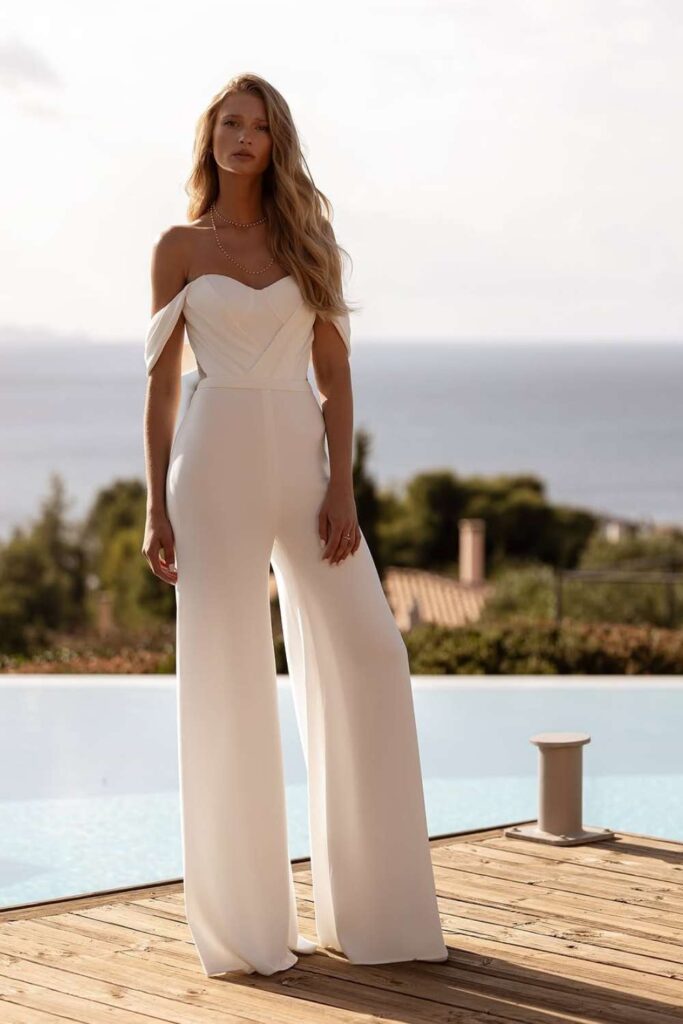
Photo credit: Demetriosbride
We have said this before and we will say it again- because it keeps needing to be said.
White, ivory, cream, champagne that reads as white, and anything else that could be mistaken for bridal belongs to the bride. This rule applies at every wedding regardless of dress code, but it applies especially at black tie, where the elevated formality of the event makes the contrast even more jarring.
If you are not sure if your dress is too white, it is. Find something else.
I recommend This : How to Plan a Wedding on a Tight Budget (Step by Step)
6. DON’T Wear Casual Fabrics
Jersey, denim, cotton, linen, and polyester that looks like polyester are not black tie fabrics. It does not matter how nice the dress is or how well it fits. If the fabric reads as casual, the outfit reads as casual, and casual is not appropriate for black tie.
This is one of those rules where the detail matters more than the silhouette. A floor-length dress in jersey is not a black tie outfit. A knee-length dress in heavy silk satin can be. Fabric is everything.
7. DON’T Go Too Revealing
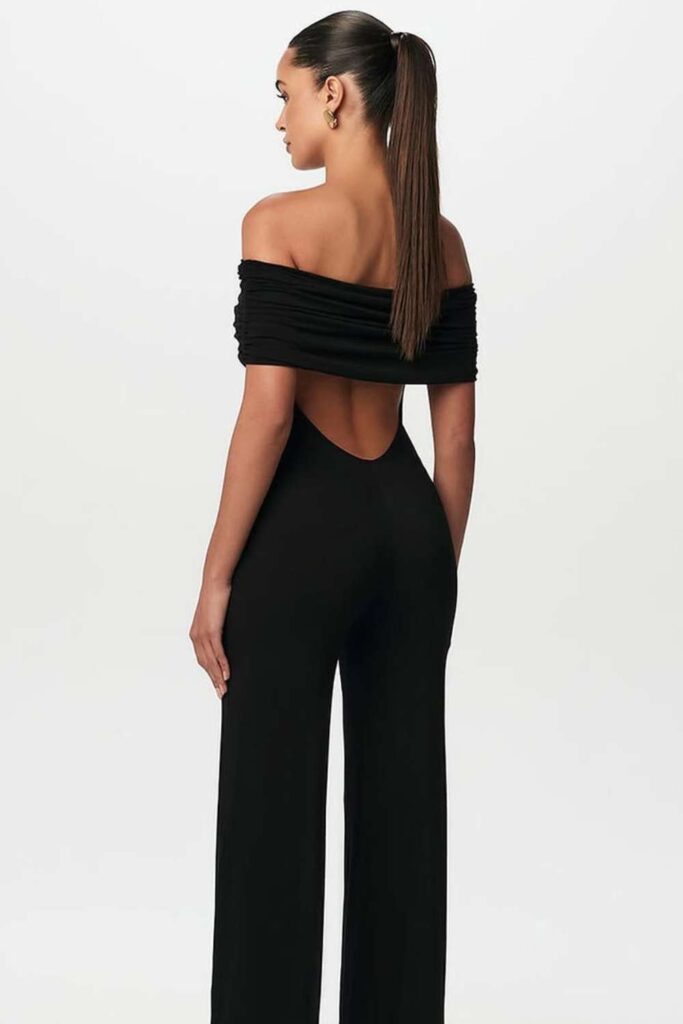
Photo Credit: nakedwardrobe
Black tie is formal. And formal means considered, elegant, and refine, not maximally exposed.
A deeply plunging neckline, a very high slit, a barely-there mini, or a sheer dress that reveals more than it conceals might be beautiful in another context. At a black tie event, particularly a wedding, it reads as inappropriate for the occasion.
You can be sexy and formal at the same time. A beautifully fitted strapless gown is elegant and alluring. A sleek column dress with a subtle slit is sophisticated and feminine. But there is a line between alluring and inappropriate, and at a black tie event, that line matters.
Elegance is not about covering everything. It is about revealing the right things in the right way.*
8. DON’T Wear Flat Casual Footwear
Trainers, casual sandals, flat boots, and flip flops have no place at a black tie event. Period.
If heels are not comfortable for you which is a completely valid position, choose an elegant flat option that still reads as formal. A pointed-toe ballet flat in satin or metallic leather, a jeweled flat sandal, or an embellished loafer can all work. The test is not whether the shoe has a heel. The test is whether the shoe belongs in the same room as a floor-length gown.
9. DON’T Treat the Dress Code as Optional
This one is important and it goes beyond fashion.
When a host specifies black tie, they have made a deliberate choice about the kind of event they are hosting. Ignoring the dress code even for reasons that feel perfectly justifiable to you, is a choice that prioritizes your comfort over your host’s vision for their own event.
If you genuinely cannot afford black tie attire, borrow or rent. Outfit rental platforms have made formal dressing accessible at a fraction of the purchase price. If black tie is outside what you can manage for any reason, the respectful choice is to communicate that with your host, not to show up in something that falls short without acknowledgment.
“The dress code is not about you. Respect that.”
The Do’s and Don’ts of Black Tie Attire
Black Tie Do’s and Don’ts for Men
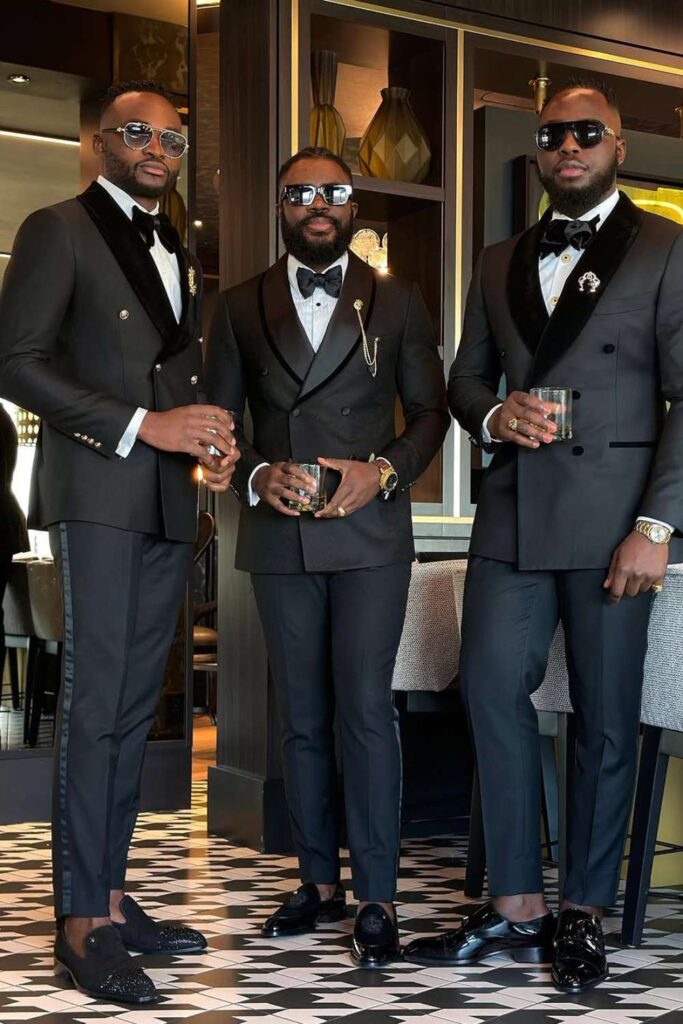
Photo Credit : Stanlion_clothing
1. DO Wear a Tuxedo
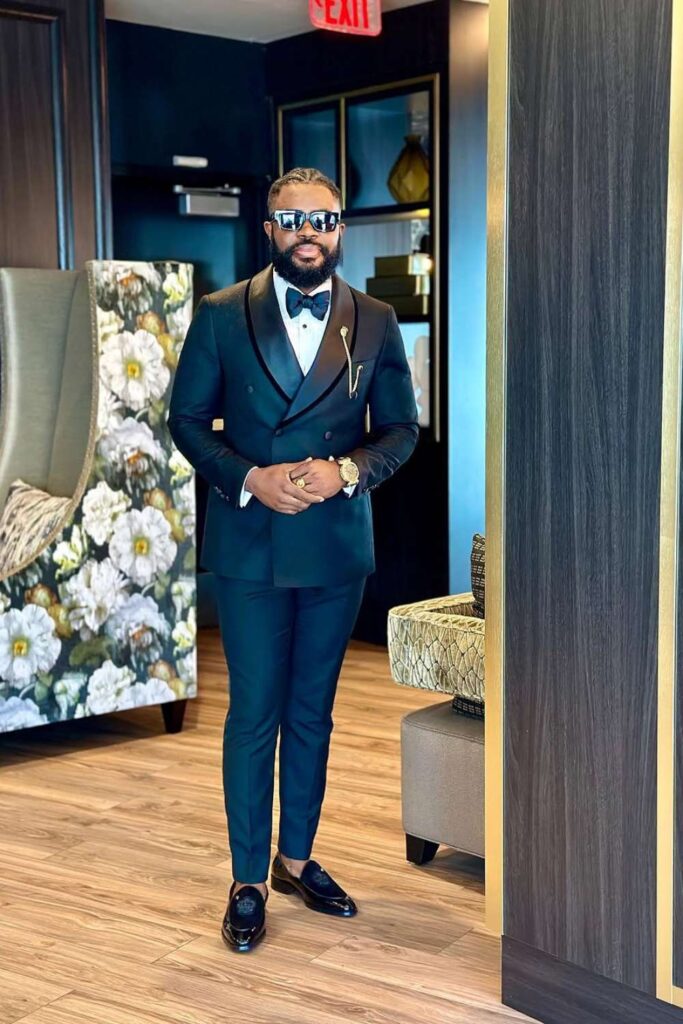
Photo Credit: Stanlion_clothing
A tuxedo is the correct attire for a black tie event. Not a dark suit. Not a very nice blazer. A tuxedo.
The classic black tuxedo, with a white dress shirt, a black bow tie, and black formal shoes, is the single most reliable and most correct choice for any black tie occasion. It has been correct for over a century and it will continue to be correct. When in doubt, this is what you wear.
The components of a correct tuxedo:
A well-fitted black or midnight navy tuxedo jacket with satin lapels. Matching tuxedo trousers with a satin stripe down the side seam. A white formal shirt, either a classic dress shirt or a pleated bib front. A black bow tie, tied, not clip-on. A cummerbund or a waistcoat in black. Black patent leather Oxford shoes or formal black leather dress shoes.
Every single one of these elements matters. And every single one should fit properly.
The fit is non-negotiable. A well-fitted tuxedo looks extraordinary. A poorly fitted tuxedo, jacket too long, trousers too wide, shirt too baggy, looks like a costume. If you own a tuxedo that has not been worn or fitted recently, have it checked by a tailor before the event.
“A tuxedo is not just clothing. On the right man, in the right fit, it is a statement.”
2. DO Consider Midnight Navy as an Alternative to Black
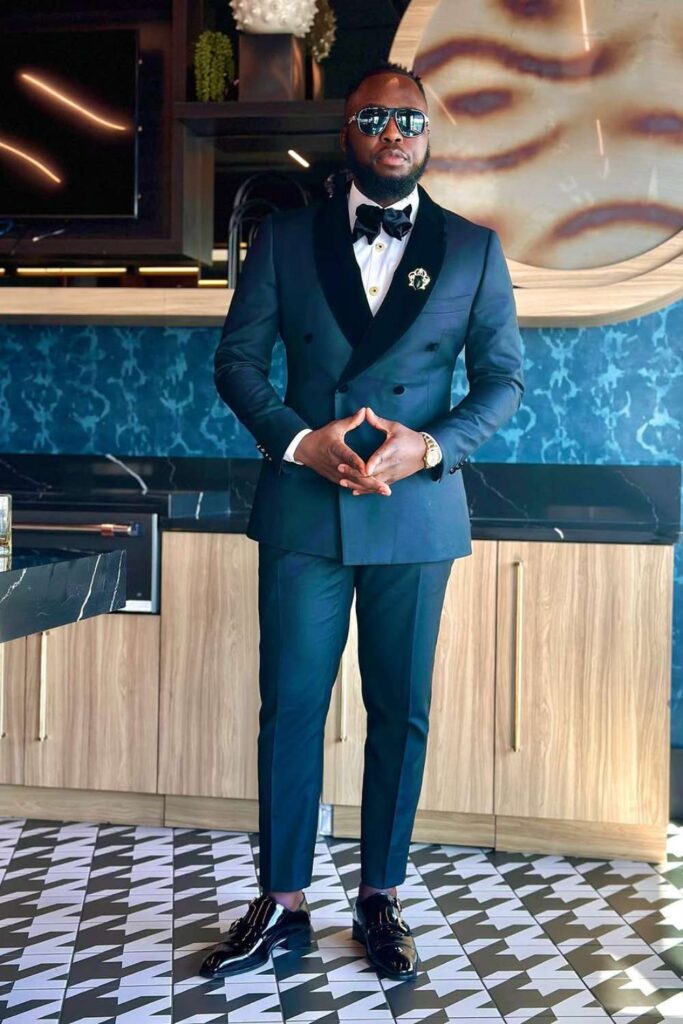
Midnight navy, a very deep, almost-black navy, is one of the most universally flattering tuxedo colors available, and it is completely appropriate for black tie events.
In most lighting, midnight navy reads as nearly black. In daylight or good evening light, it has a depth and richness that is visually more interesting than flat black. It suits a wide range of skin tones and pairs beautifully with a white shirt and black bow tie.
If you are purchasing or renting a tuxedo and black feels too severe or too harsh against your complexion, midnight navy is an excellent alternative.
3. DO Pay Attention to Your Shirt and Tie
The tuxedo jacket gets all the attention. But the shirt and tie are where a black tie look is made or lost in the details.
The shirt: A classic white dress shirt, either a flat-front or a pleated bib, in a formal fabric. No patterns, no prints, no bold colors. The collar should be either a classic turndown or a wing collar. Cufflinks are a requirement, not an option, they are part of the formal standard.
The bow tie: It must be a bow tie. Not a long tie. Not a cravat. Not an open collar. A black bow tie, correctly tied. A pre-tied bow tie is acceptable if you genuinely cannot tie one, but a hand-tied bow tie always looks more considered.
“The details of a tuxedo are what separate someone who knows how to dress from someone who just owns formal clothing.”
The Do’s and Don’ts of Black Tie Attire
4. DO – Wear the Right Shoes
Black patent leather Oxford shoes are the most formally correct shoe for a black tie event. If you do not own patent leather, a highly polished black cap-toe Oxford is also appropriate.
The shoe should be clean, well-maintained, and in excellent condition. Scuffed, worn, or dirty formal shoes undermine the entire effort of an otherwise excellent tuxedo.
5. DON’T Wear a Regular Dark Suit
This is the most common mistake men make at black tie events. A dark charcoal suit, a navy business suit, or even a very expensive regular suit is not a tuxedo, and it reads as underdressed at a black tie event, regardless of the suit’s quality.
The visual difference between a tuxedo and a suit is in the satin details, the lapels, the trouser stripe, the buttons. Without those details, you are wearing a suit. And a suit, however beautiful, is not what black tie requires.
If you do not own a tuxedo, rent one. Formal wear rental is widely available and significantly more affordable than you might expect. There is no excuse for wearing a suit to a black tie event when tuxedo rental exists.
6. DON’T Wear a Long Tie
A long tie, even a silk one, even a very elegant one, is not appropriate with a tuxedo at a black tie event. The correct neckwear is a bow tie. That is it.
If bow ties feel unfamiliar or uncomfortable, practise tying one before the event. There are excellent tutorials available and the skill is genuinely not as complicated as it feels the first time. A poorly tied bow tie still looks more appropriate at a black tie event than a long tie.
7. DON’T Skip the Grooming
A perfect tuxedo on an ungroomed man does not read as black tie. It reads as a costume.
Grooming is part of the black tie requirement , not as a detail but as a foundation. A fresh haircut or neatly styled hair. A clean shave or a well-maintained beard. Clean, trimmed nails. A subtle fragrance. These are not extras. They are the baseline.
“The tuxedo is the frame. Grooming is the painting inside it.”
8. DON’T Wear Novelty or Casual Accessories
Novelty cufflinks, a patterned pocket square that clashes with everything, a novelty bow tie with a print, colorful socks worn as a “fun” accessory, these choices undermine the formality of an otherwise correct look.
Black tie accessories should be elegant, understated, and cohesive. A simple white pocket square folded cleanly. Classic silver or gold cufflinks. A black or very deep burgundy pocket square for a subtle variation. Nothing that draws attention to itself at the expense of the overall look.
The Do’s and Don’ts of Black Tie Attire
Black Tie Do’s and Don’ts for Everyone
1. DO Dress for the Specific Event, Not Just the Dress Code
Black tie at a summer outdoor wedding is different from black tie at a winter hotel ballroom. The dress code is the same, but the execution needs to account for the environment.
For an outdoor black tie event in warm weather, a lightweight chiffon or crepe gown makes more sense than a heavy velvet one. For a winter ballroom event, velvet and satin are exactly right. Read the venue and the season alongside the dress code, and let all three inform your choices.
2. DO Start Planning Your Outfit Early
Black tie outfits require more lead time than casual outfits. If you are purchasing, you need time for alterations. If you are renting, popular sizes and styles book out quickly, especially around peak wedding season. If you need tailoring or custom pieces, the timeline extends further.
“Start planning your black tie outfit at least six to eight weeks before the event.” This gives you time to get it right without the pressure of a last-minute decision.
3. DON’T Wait Until the Last Minute to Discover Something Does Not Fit
This is the source of more black tie anxiety than anything else. You find your tuxedo or your gown, you assume it will fit the way it did last time, and then the week before the event you try it on and discover it does not.
Try on your outfit, the complete outfit, with shoes and accessories, at least two to three weeks before the event. This gives you time to address fit issues, source alternatives, or get alterations done without panic.
“Preparation is the most underrated element of looking good.”
4. DON’T Confuse Expensive With Appropriate
A very expensive casual outfit is still a casual outfit. And a very affordable formal piece in the right fabric and silhouette is entirely appropriate for black tie.
The goal is not to spend the most money. The goal is to wear the right thing. Those are two completely different objectives , and understanding that distinction will save you both money and stress.
A Final Word on The Do’s and Don’ts of Black Tie Attire
Here is the thing about black tie that nobody says out loud but everyone feels.
When you get it right, when you walk into a formal event in an outfit that is genuinely appropriate, beautifully fitted, and deliberately chosen, you feel different. You carry yourself differently. You occupy the room differently.
That is not vanity. That is the effect of dressing with intention for an occasion that deserves it.
Black tie is not a burden. It is an invitation, to put real thought into how you show up, to honor the occasion your host has created, and to experience what it feels like to be genuinely, appropriately dressed for something that matters.
Get it right. Walk in with confidence. And enjoy every moment of it.
Don’t Forget to take note of all the The-Dos-and-Don’ts-of-Black-Tie-Attire.